
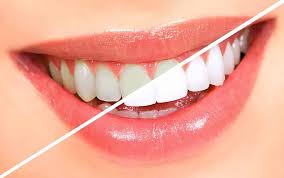
Discoloration in Teeth and Modern Solutions
Smile aesthetics are the strongest mirror reflecting an individual’s self-confidence. However, stains, yellowing, or regional tonal differences on the surface of teeth can overshadow the brilliance of this mirror. Dentocare, a pioneering approach in aesthetic dentistry in Kahramanmaraş, addresses discoloration in teeth not only as a cosmetic problem but also as a factor affecting a person’s social life. Tooth enamel, by its nature, has a prismatic structure that transmits and reflects light. Even the slightest deterioration or pigmentation change in this structure alters the perceived color of the tooth.
What is Discoloration in Teeth?
Discoloration in teeth is the condition where the natural color of the tooth loses its homogeneity and takes on different tones regionally or generally. This condition sometimes manifests as a yellowing or graying that covers the entire tooth, and sometimes as white, brown, or black spots (punctate discoloration) on the tooth surface. A healthy tooth transmits light to a certain extent (translucency), exhibiting a vibrant and bright appearance. In teeth with discoloration, however, light refraction changes, and the tooth takes on a dull, lifeless, or mottled appearance. This condition, also called “dyschromia” in dentistry, is one of the leading aesthetic concerns that cause patients to hide their smiles.
Why Does Tooth Discoloration Occur?
Changes in tooth color are not due to a single cause; they usually result from a combination of intrinsic and extrinsic factors. In detailed analyses performed at the Kahramanmaraş Dentocare clinic, accurately identifying the source of the discoloration is critical for the success of the treatment. The main causes are:
- Nutritional Habits: Excessive consumption of beverages containing coloring agents such as coffee, tea, red wine, and cola, as well as tobacco products, penetrates the pores of the tooth enamel, leading to external discoloration.
- Drug Use: Tetracycline group antibiotics, especially those used during tooth development in childhood, can bind to the tooth structure and cause permanent gray-brown banding.
- Fluorosis: High levels of fluoride in drinking water (which may be seen in some geographical regions) can create chalky white stains or, in advanced cases, brown pits in the tooth enamel.
- Trauma and Root Canal Treatment: A sudden blow to the tooth can cause the living tissue (pulp) inside the tooth to die, resulting in bleeding and causing the tooth to gray or turn purple from the inside out.
Aging: With age, teeth The enamel thins and the underlying yellowish dentin layer becomes more visible, causing the teeth to appear darker and duller.
How Do Tone Differences Occur in Teeth?
Tone differences can result from changes in the thickness of the tooth’s anatomical structure. For example, the neck of the tooth where it meets the gum appears more yellowish due to the thinner enamel layer, while the cutting edges are more transparent and have a grayish-blue tone. This is a natural gradient. However, pathological tone differences are usually caused by enamel hypoplasia (enamel development disorder) or marginal leakage from aging fillings. Old composite fillings change color over time, becoming incompatible with natural tooth tissue and creating tone differences that look like patches on the tooth surface. How Does Color Irregularity Affect an Aesthetic Smile?
Symmetry and harmony are essential in smile aesthetics. When the eye looks at a whole, it first perceives the brightest and most flawed point. Discoloration of teeth can create a perception of being “unclean” or “unkempt,” but this isn’t always related to a lack of hygiene. Dark teeth or white spots, especially in the front area, draw attention to the mouth when speaking or smiling. This reduces the overall brightness of the face and can make a person look older. Dentocare aims to restore color balance, giving facial features softness and vibrancy.
Examination and Evaluation for Tooth Discoloration
The treatment process begins with a comprehensive clinical examination. The dentist uses special light sources and magnifying glasses to determine whether the discoloration is on the tooth surface (extrinsic) or in the tooth’s internal structure (intrinsic). A color map of the tooth is created using digital photography and spectrophotometers (color measuring devices). Gum health, enamel thickness, and the patient’s expectations are evaluated. At this stage, the ideal tooth shade is determined, taking into account the patient’s skin tone, eye color, and lip structure.
Personalized Color Correction Planning
Each discoloration requires different treatment. For example, a cigarette stain can be removed with simple polishing, while antibiotic staining requires more advanced restorative techniques. In personalized planning,Starting with a minimally invasive approach (one that touches the tooth the least), a path is followed towards more comprehensive treatments as needed. Dentocare Kahramanmaraş offers its patients a boutique treatment protocol that addresses the root of the problem, rather than a “one-size-fits-all” solution.
Treatment Approaches and Applications
There are many different methods offered by technology to eliminate discoloration in teeth. Which method is chosen depends on the depth and extent of the stain.
Removing Discoloration with Tooth Whitening
If the discoloration is due to general yellowing or superficial staining, professional in-office whitening (bleaching) is the most effective solution. Gels containing hydrogen peroxide or carbamide peroxide are activated with lasers or special light sources to break down the color pigments in the pores of the tooth enamel. This process lightens the overall tone of the tooth, providing a brighter appearance. However, in some stubborn stains such as fluorosis, whitening alone may not be sufficient, and combined treatments may be necessary.
Color Correction with Bonding Application
For localized stains, white spots, or discoloration along crack lines, bonding (aesthetic composite filling) is an excellent option. Composite materials that perfectly match the tooth color are applied to the stain with minimal or no abrasion to the tooth surface. This method works with a “masking” technique. Dentocare experts use special effect dyes and layering techniques to ensure that the bonded area is indistinguishable from the natural tooth.
Treatment of Color Irregularities with Porcelain Veneers
For advanced antibiotic-resistant discoloration or dark teeth resistant to whitening, porcelain veneers (leaf porcelain) are the definitive solution. These ceramic veneers, 0.3-0.7 mm thick, are bonded to the front surface of the tooth, masking the underlying dark color while giving the surface a brand new, bright, and permanent whiteness. Because veneers are materials with adjustable light transmittance, they both preserve naturalness and cover unwanted colors.
Tooth Color Balancing with Veneer Applications
If teeth have both color problems and significant substance loss (decay, fracture), full ceramic (zirconium or E-max) veneers are preferred. These veneers cover the entire tooth, correcting its color, shape, and size simultaneously. Zirconium veneers with an opaque substructure are ideal for masking the color of very dark teeth (e.g., teeth with metal pins) without reflecting their color.
Treatment Approaches for Internally Discolored Teeth: For teeth that darken over time (devital) after root canal treatment, a special technique called “Walking Bleach” is applied. Whitening agents placed inside the tooth whiten the tooth from the inside out. This method is quite effective for equalizing the color of a single tooth with neighboring teeth.
Correcting Color Irregularities in Front Teeth
Front teeth are the center of aesthetics. In applications in this area, symmetry and color transitions (translucency) are vital. If there is a discoloration in only one front tooth, matching that tooth to the others is more difficult than whitening all teeth and requires high dental skill. At Dentocare, micron-level color matching is achieved in such cases with digital color analysis.
The Effect of Gum Level on Color Perception
Tooth color is not limited to the tooth itself; the color and level of the gums also affect perception. Unhealthy, bruised, or swollen gums can make even the whitest teeth look bad. Within the scope of “Pink Aesthetics,” gums are treated and restored to a healthy light pink color, which reveals the whiteness and brightness of the teeth.
How to Achieve Tooth Color and Facial Harmony?
The correct tooth color is not the “whitest,” but the one that is in harmony with the person’s skin tone and the whites of their eyes. While excessively white (opaque) teeth can look artificial on individuals with darker skin tones, softer shades are preferred for those with lighter skin tones. At Dentocare Kahramanmaraş clinic, the most natural-looking shade is selected in collaboration with the patient using color scales. The goal is a natural beauty that “doesn’t look artificial.”
How Long Does Color Irregularity Correction Take?
The duration varies depending on the chosen treatment. In-office whitening takes approximately 1 hour. Bonding applications can be completed in a single session. Porcelain veneer or crown treatments, however, require an average of 5-7 days (2-3 sessions) due to laboratory stages. For internal whitening procedures, several dressing sessions may be required to achieve the desired shade.
Comparison of Treatment Methods
| Method | Area of Use | Treatment Time | Permanence |
|---|---|---|---|
| Professional Whitening | General yellowing, age-related discoloration | 1 Hour (Single Session) | 1 – 2 Years |
| Bonding (Composite) | Regional spots, white spots | 1 – 2 Hours | 5 – 7 Year |
| Porcelain Veneer | Advanced discoloration, antibiotic stain | 5 – 7 Days | 15+ Years |
| Internal Whitening | Single tooth darkening after root canal treatment | 2 – 3 Sessions | Many Years |
Are Color Correction Procedures Painful?
Pain control is at the highest level in modern dentistry. Some patients may experience slight tingling (sensitivity) during the whitening procedure, but this is temporary and controlled with sensitivity-reducing gels. Since local anesthesia is usually used in bonding and laminate procedures, the patient does not feel any pain during the procedure.
Who is Suitable for Color Correction?
Individuals with good gum health, no tooth decay (if present, it should be treated first), and who are over 18 years of age are suitable for aesthetic color correction. It is recommended to postpone whitening procedures for pregnant and breastfeeding women. In patients with excessive enamel erosion or cracks, protective and aesthetic veneer methods may be more suitable than whitening.
How is a Natural and Homogeneous Tooth Color Achieved?
Homogeneity is related to the even distribution of light across the tooth surface. The nano-technological composites and ceramics used at Dentocare mimic the optical properties (fluorescence and opalescence) of natural teeth. Not only whitening the surface but also ensuring light reflection from the depth of the tooth is key to a natural look. Layered techniques preserve transparency at the tips of the teeth, avoiding a “mold-like” appearance.
Dental Care After Color Correction
Maintaining the brightness achieved after treatment is up to the patient. A “White Diet” should be followed for the first 48 hours after whitening or aesthetic procedures; staining foods such as tomato paste, coffee, tea, wine, and cherry juice should be avoided. Smoking significantly shortens the lifespan of the treatment. Regular brushing, flossing, and professional cleaning every 6 months are essential to maintain color stability.
Permanence of Color Correction Treatment
Permanence varies depending on the method used and the patient’s habits. Porcelain veneers and crowns do not change color and remain white for life (as long as surface brightness is maintained). Bonding fillings may show slight discoloration over time due to tea/coffee consumption, but can be restored to their original brightness with polishing. The effect of the whitening process lasts 1-2 years depending on dietary habits, and this duration can be extended with reinforcement doses.
Planning Aesthetics and Function Together
Function is never overlooked when correcting color irregularities in teeth. For example, a bonding application to the tooth surface should be planned in such a way that it will not break during biting movements. The cutting edges of veneers applied to the front teeth should be of a length and form that will not impair speech function (phonation). True success is achieved when aesthetics are combined with function.
The Role of Tooth Color in Smile Design
Smile design is an archetype of tooth color, form, and gum harmony. Lightening the tooth color widens and refreshes the smile. Lightening dark back teeth (cheek corridors) makes the smile look fuller. Dentocare, with a holistic approach, improves not only the color of the teeth but also the overall energy of the smile.
Modern Technologies in Color Irregularity Correction Treatment
Kahramanmaraş Dentocare integrates digital dentistry technologies into every stage of treatment. Designed with CAD/CAM systems, porcelain restorations are manufactured without error. Laser technology both increases whitening effectiveness and accelerates healing in gum reshaping. Digital smile simulations allow the patient to see on screen beforehand how their teeth will look after treatment.
Long-Term Protection of Tooth Color
To ensure the sustainability of the achieved aesthetic result, Dentocare offers its patients special care kits and recommendations. The use of non-abrasive (non-whitening particle-containing) toothpastes prevents scratching the surface of the restorations. The use of a night guard prevents breakage of aesthetic materials in those with teeth grinding habits. With regular check-ups, possible color changes can be detected and addressed early.
A Brighter Smile with Color Irregularity Correction
Color irregularities in teeth are not a flaw to be hidden, but a condition that can be solved with the right methods. A bright, clean, and harmonious smile creates a positive impact on a person’s professional life and social relationships. As the Dentocare Kahramanmaraş family, we respect the unique story and expectations of each of our patients; we blend science, art, and technology to offer them the radiant smile they dream of. Professional touches await you for confident tomorrows where color irregularities are left behind.