
Digital Dentistry Methods
While traditional dentistry methods have been reliably used for many years, today, with the advantages provided by technology, digital dentistry methods are gaining prominence. These methods were developed to reduce human error, increase production precision, and shorten treatment times. From simple fillings to complex implant treatments, from aesthetic planning to smile design, from orthodontics to porcelain veneers, many applications can now be performed using digital technologies and devices.
Digital dentistry offers many advantages for both patients and dentists. Procedures become more precise, faster, and more comfortable; At the same time, treatment planning and the application process become more predictable and safe.
Digital Impression and Restoration Design
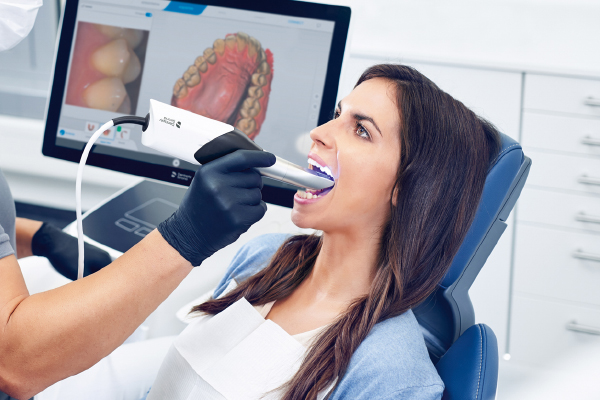
One of the most prominent applications of digital dentistry is digital impression and restoration design. In this method, computer-aided impressions are taken of the patient’s mouth and custom restorations are created based on these impressions. Unlike traditional impression methods, the data collected is transferred directly to the digital environment. This allows for precise impressions and eliminates problems such as nausea and gagging, which are common with traditional methods.
The detailed digital images maximize the compatibility of the restorations with the teeth. The margin of error is minimized and treatment time is shortened. Patients experience a more comfortable and faster treatment process. Dentists have more predictable and controlled procedures.
Advantages of Digital Dentistry
- High precision: Restorations fit perfectly to the tooth thanks to digital scans.
- Reduced human error: Because design and manufacturing processes are computer-controlled, the risk of error is minimized.
- Fast treatment time: Digital impressions and production reduce the number and duration of sessions.
- Patient comfort: Classic impression problems such as nausea and gagging are eliminated.
- Wide range of applications: Many treatments, including fillings, implants, orthodontic appliances, porcelain veneers, and aesthetic planning, can be performed digitally.
How is Digital Dentistry Applied?
Digital dentistry applications are generally performed in the following steps:
- Examination and Digital Planning: The patient’s oral structure is scanned and evaluated with digital imaging.
- Digital Design: A 3D restoration, appliance, or implant is designed in a computer environment.
- Computer-Controlled Manufacturing: Designed products are manufactured using production devices without human intervention.
- Application: The manufactured restoration or appliance is applied to the patient.
- Control and Follow-up: After the procedure, the patient’s treatment outcome is evaluated, and minor adjustments are made if necessary.
Treatment Process
The table below summarizes the stages and durations of digital dentistry applications:
| Step | Duration | Description |
|---|---|---|
| Examination and Digital Scanning | 15–30 min | The patient’s oral structure is evaluated with computer-aided scanning. |
| 3D Design | 30–60 min | The restoration or appliance is custom-designed in a computer environment. |
| Computer-Controlled Manufacturing | 1–3 hours | Designed products are manufactured with precision. |
| Application and Assembly | 20–40 min | The product is applied to the patient and its fit is checked. |
| Control and Follow-up | 5–10 min | After the procedure, the patient’s condition is evaluated and minor adjustments are made if necessary. |
Why Digital Dentistry with Us?
- Expert staff: Dentists experienced in digital impressions and restorations
- Modern technology: 3D scanning devices and computer-controlled production systems
- Precise and safe application: Minimal errors and maximum compliance
- Fast and comfortable treatment: Fewer sessions and a more comfortable patient experience
- Follow-up and care: Regular post-procedure check-ups and support
Digital dentistry methods offer a comfortable, fast, and safe treatment experience for patients and dentists. Treatment times are shortened, the margin of error is reduced, and aesthetic and functional success is increased. Thanks to modern technologies, dentistry is now more precise, predictable, and patient-friendly.
Contact us today to take advantage of the advantages of digital dentistry for your oral health and aesthetics.