
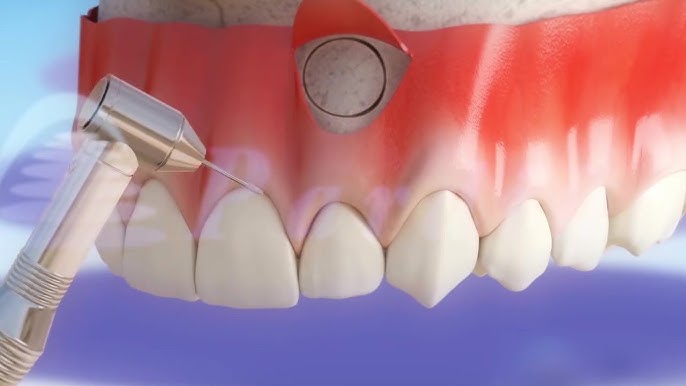
Apical Resection
Chronic infections in the tooth roots or cysts and lesions at the root tips can sometimes not be completely resolved with root canal treatment. In these cases, apical resection is an effective method for surgically removing the tip of the tooth root and removing the infected tissue. Apical resection is a modern surgical technique preferred both for saving the tooth and preserving the surrounding bone tissue.
The procedure is used to address problems such as chronic apical periodontitis, especially when infection persists after root canal treatment. Thanks to modern surgical techniques, the procedure is performed quickly and comfortably, preserving dental health and providing patients with long-term functional and aesthetic benefits.
What is Apical Resection?
Apical resection is the surgical removal of the infected or problematic tip of the tooth root. At the same time, any inflamed or cystic tissue at the root tip is removed. The primary goal of the surgery is to save the tooth without extraction and to prevent damage to the surrounding bone tissue.
During the procedure, local anesthesia is administered, eliminating any pain felt by the patient. Modern techniques and precision instruments protect surrounding tissues during the procedure, accelerating healing.
When is Apical Resection Performed?
Apical resection is generally performed in the following situations:
- Persistent infection after root canal treatment
- Cyst or lesion formation at the tip of the tooth root
- Damage to surrounding bone tissue due to chronic apical periodontitis
- Recurring abscesses and inflammations
- Situations where the tooth must be protected without extraction
This procedure is a critical surgical intervention to preserve the tooth and keep the surrounding tissues healthy.
How is Apical Resection Performed?
Apical resection is performed by specialists, usually under local anesthesia, and the following steps are followed:
- The procedure area is sterilized and anesthetized.
- The gum is opened to access the root apex and the surrounding infected tissue.
- Approximately 2-3 mm of the root apex is excised, and the infected tissue is cleaned.
- If necessary, the root apex is covered with filling material, and the tissue is secured with sutures.
- A follow-up and care program is initiated for post-procedure recovery.
The procedure is completed without damaging the surrounding bone and dental tissues. This ensures both aesthetic and functional results.
Post-Operative Care
Post-operative care after apical resection is crucial for the success of treatment:
- Avoiding touching the surgical site and avoiding trauma
- Avoiding hard, hot, or spicy foods for the first few days
- Performing regular oral hygiene and using antiseptic solutions recommended by your doctor
- Attending regular doctor visits to check the stitches and surgical site
- Temporarily limiting smoking and alcohol consumption
These steps ensure the success of the surgery and a smooth recovery.
Advantages of Apical Resection
The main benefits of apical resection are:
- Tooth preservation: The infected tooth root tip is removed, saving the tooth from extraction.
- Maintaining oral and jaw health: The surrounding bone and tissue remain healthy.
- Functional recovery: Chewing and speech functions are preserved.
- Aesthetic outcome: The procedure area achieves a smooth and healthy appearance.
- Long-term protection: Recurrence of infection is prevented and the lifespan of the tooth is extended.
Who is Suitable for?
Apical resection can be performed on both children and adults. However, there may be limitations in some cases:
- Uncontrolled diabetes or serious systemic diseases
- Active infection or severe periodontal disease at the procedure site
- Smoking and inadequate oral hygiene
A personalized treatment plan is developed for each patient based on the evaluation of a specialist physician, and the procedure is performed safely.
Scientific Basis
Research shows that apical resection protects the tooth roots, eliminates infection, and preserves the health of the surrounding bone tissue. Procedures performed using modern surgical techniques and precision instruments accelerate the healing process and reduce the risk of complications. With regular follow-up and maintenance, the long-term success rate of treatment is high.
Why Apical Resection with Us?
Our services aim for both functional and aesthetic results in apical resection procedures:
- Expert staff: Experienced dentists in endodontics and oral surgery
- Personalized planning: A customized treatment plan based on the condition of the tooth and root apex
- Modern technology: High success with digital imaging and precision surgery
- Comfortable procedure: Painless procedure with local or sedation anesthesia
- Follow-up and care: Private consultation for post-procedure recovery and long-term oral health
Apical resection is a critical surgical intervention to save teeth and preserve jaw health in cases where root canal treatment cannot resolve infection or lesions at the tooth root. With modern surgical techniques and our expert staff, we offer safe, comfortable, and long-term results.
Contact us today to protect your teeth and ensure your oral health and take advantage of the benefits of apical resection.