
Bone Grafting
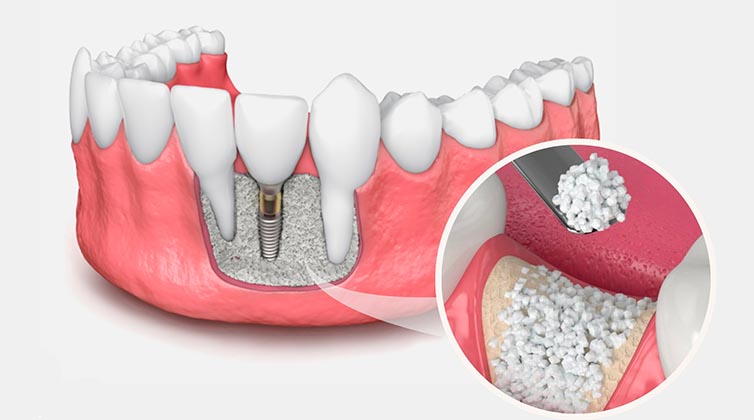
Conditions such as tooth loss, jaw bone loss, and periodontal disease can weaken the jaw structure and complicate implant or denture applications. In this case, bone grafting is a modern treatment method used to replace missing bone tissue and strengthen the jaw structure. Bone grafting offers long-term solutions, both aesthetically and functionally.
Bone grafting strengthens the jawbone, prepares a suitable foundation for implant placement, and maintains healthy teeth. The procedure supports the natural bone structure and ensures the function of the teeth.
What is Bone Grafting?
Bone grafting is a surgical procedure used to replace missing or insufficient bone tissue in the jawbone. In this procedure, the patient’s own bone tissue, synthetic bone materials, or donor bone are used to fill the missing area. Bone grafting is particularly preferred to ensure the jawbone reaches sufficient volume before implant placement.
Bone grafting is a scientifically based treatment method used to reconstruct and strengthen the jawbone. Modern surgical techniques and digital planning make the procedure safe, fast, and successful.
How is a Bone Graft Performed?
The bone grafting process varies depending on the patient’s needs and the extent of the bone deficiency. The procedure generally involves the following steps:
- Examination and Planning: 3D CT scans and digital imaging are used to identify the bone deficiency, and the appropriate graft material is selected.
- Anesthesia: Local anesthesia or, if necessary, sedation is administered during the procedure.
- Surgical Procedure: The missing bone area is opened, and the selected bone graft material is placed. If necessary, it is secured with special plates or screws.
- Healing and Follow-Up: After the bone graft is placed, a specific healing process is followed to ensure it integrates with the natural bone.
This process aims to achieve both functional and aesthetic results, strengthening the jawbone and preparing it for treatments such as implants.
When Is Bone Grafting Used?
Bone grafting is particularly effective in the following situations:
- Insufficient bone height or width in the jawbone
- Osteoporosis following tooth loss
- Bone loss due to periodontal disease
- When sufficient bone needs to be provided before implant placement
Bone grafting increases the success rate of dental treatments by replacing missing bone tissue and provides long-term functional results.
Who Is Not Suitable for Bone Grafting?
Not every patient may be a candidate for bone grafting. The procedure may be limited or risky, especially in the following cases:
- Uncontrolled diabetes, bleeding disorders, or serious systemic diseases
- Smoking and poor oral hygiene
- Active infection at the bone graft site
- Bone diseases or immune system problems
Creating a personalized treatment plan for each patient based on expert evaluation increases success and safety.
How is Bone Grafting Performed?
Bone grafting is a surgical procedure performed by specialist physicians. During the procedure, bone tissue is placed in the missing area and, if necessary, secured with stitches or plates. Because anesthesia is used during the procedure, the procedure is painless. Short-term mild swelling or tenderness is normal after the procedure. Regular follow-up during recovery ensures healthy jawbone fusion and long-term functional results.
What are the Side Effects of Bone Grafting?
Bone grafting is performed safely using modern techniques. However, some temporary side effects may occur:
- Mild swelling or bruising after the procedure
- Tenderness or mild pain
- In rare cases, infection or graft loss
- Mild bleeding during recovery
These side effects are generally short-lived and can be controlled with the care instructions provided by the physician.
How Successful is Bone Grafting?
Research shows that bone grafting procedures have a high success rate. Especially when digital planning and modern surgical techniques are used, the rate of graft integration with the native bone is quite high. Success is directly related to the patient’s general health, the care process, and the surgeon’s experience.
Bone grafting is a modern and effective surgical treatment method for reconstructing and strengthening missing or insufficient tissue in the jawbone. The procedure prepares a suitable foundation for implant placement, supports the teeth, and ensures both aesthetic and functional results.
For a healthy and permanent jaw structure, contact us today and benefit from the benefits of bone grafting.