
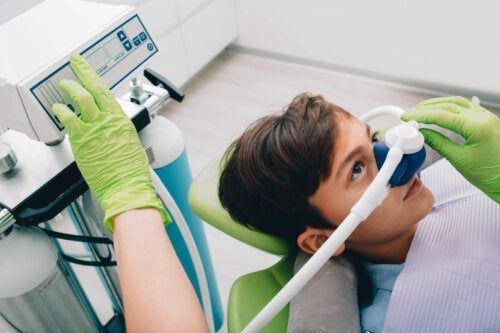
Dental Treatment with General Anesthesia in Children
Your child’s dental health is vital to their overall development. However, young children may be hesitant to sit in the dentist’s chair, experiencing fear and anxiety. Especially when multiple teeth need to be treated at the same time, this process can be quite challenging for both the child and the parent. In such cases, dental treatment under general anesthesia offers a safe, effective, and stress-free solution. At Dentocore, we manage this delicate process with the utmost safety and comfort, ensuring your child achieves a healthy smile.
Why Is General Anesthesia Necessary?
General anesthesia is not only a preferred method due to a child’s reluctance or fear; it can also become a medical necessity. It is especially ideal for children between the ages of 3 and 6 who have difficulty sitting still in the chair and are not fully adapting to treatment. It is also the safest option for individuals with special needs who are mentally or physically disabled and unable to adapt to long-term treatment. When procedures such as multiple cavities, extractions, or root canals need to be completed in a single visit, general anesthesia both shortens the time and prevents the child from experiencing repeated trauma. By eliminating severe dentist phobia or fear stemming from a previous negative experience, it creates a positive environment for future dental visits.
Dental Treatment Process Under General Anesthesia
The process consists of a series of stages that prioritize your child’s health. Each step is meticulously managed by specialist dentists.
Tips to Speed Up Recovery After Treatment
It is crucial that you follow the following recommendations for your child’s comfortable and rapid recovery:
- First 24 Hours: Slight oozing bleeding from the wound after the procedure is normal. Prevent your child from spitting or removing a blood clot. A cold compress can be applied externally to reduce swelling in the facial area.
- Diet: It is important not to eat or drink anything for the first few hours after the procedure. Avoid hot, spicy, andAvoid hard foods and choose soft, warm foods.
- Medication Use: Be sure to take any painkillers or antibiotics prescribed by your doctor regularly and completely.
- Oral Hygiene: To protect the wound area, gargle should be avoided for the first 24 hours. In the following days, gargle or rinse with salt water as recommended by your doctor. Brushing should be done gently, avoiding the stitched area.
- Physical Activity: Avoiding strenuous exercise for the first 2-3 days and sleeping with your head elevated will help reduce swelling and pain.
Remember, dental treatments performed under general anesthesia are a safe method that can help your child overcome their fears and approach future dental visits more positively. At Dentocore, we are happy to support you and your child on this journey.