
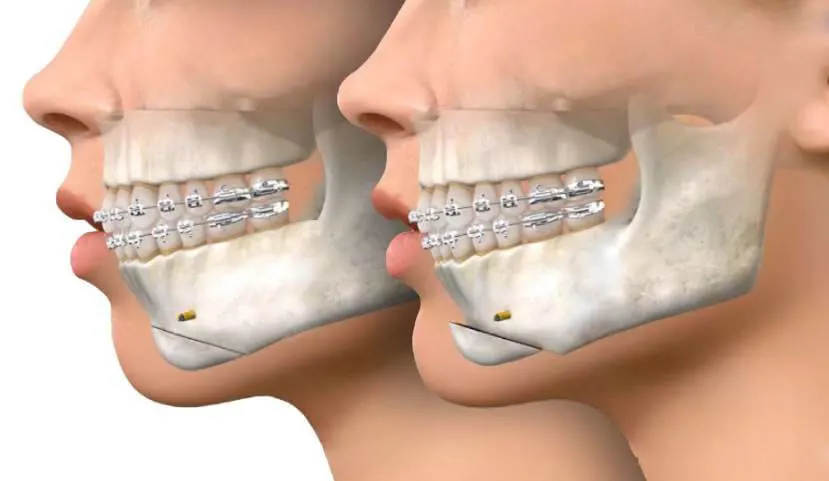
Orthognathic Surgery (Jaw Correction Surgery)
Orthognathic surgery, also known colloquially as jaw correction surgery, is an advanced surgical procedure used to correct skeletal deformities in the jaw structure. Developmental, congenital, or trauma-induced deformities in the jaw and facial bones can negatively impact a person’s aesthetic appearance and functions such as chewing, speaking, and breathing. Orthognathic surgery provides permanent and effective correction of these deformities, providing significant improvement in both function and aesthetics.
This treatment method not only addresses aesthetic concerns but also aims to eliminate functional problems such as temporomandibular joint (TMJ), sleep apnea, malocclusion, and chewing problems. In this respect, orthognathic surgery is a long-term, comprehensive solution that improves a person’s quality of life.
What is Orthognathic Surgery?
Orthognathic surgery is the general term for surgical procedures performed to align the upper and lower jaws. While orthodontic treatment can only correct the alignment of teeth, surgery is necessary to correct structural deformities in the jaw.
Mismatch between the jaws can cause aesthetic problems (asymmetrical face, protruding or receding jaw, teeth not meeting properly) as well as functional problems. Orthognathic surgery is performed in collaboration with both orthodontics and oral and maxillofacial surgery.
When is Orthognathic Surgery Required?
Orthognathic surgery is performed not only for aesthetic reasons but also to address health problems. This treatment may be necessary in the following cases:
- The lower jaw is abnormally protruding or recessed
- The upper jaw is developmentally small, narrow, or recessed
- Misplaced jaw, asymmetrical facial structure
- Chewing and speech disorders
- Sleep apnea and breathing problems
- Occlusion problems not corrected by orthodontic treatment
- Jaw deformities due to trauma or congenital anomalies
How is Orthognathic Surgery Performed?
Orthognathic surgery is a meticulous treatment with its planning and surgical stages. The process generally consists of the following steps:
Detailed Examination and Planning:
The jawbones and facial structure are evaluated using X-rays, 3D imaging techniques, and measurements. The orthodontist and surgeon develop the treatment plan together.
Orthodontic Preparation:
Before surgery, orthodontic treatment is usually performed to align the teeth into the correct position.
Surgical Procedure:
During the surgery, performed under general anesthesia, the jawbones are positioned and fixed with titanium plates or screws.
Healing Process:
The postoperative recovery period varies between 2-6 weeks. It is important to maintain good nutrition and oral hygiene during this period.
Benefits of Orthognathic Surgery
- Functional Correction: Chewing, speaking, and breathing functions become healthier.
- Aesthetic Improvement: Facial features are balanced, resulting in a more harmonious and aesthetic appearance.
- Contribution to Dental Health: By preventing malocclusion, tooth wear and temporomandibular joint problems are reduced.
- Permanent Solution: It offers not only a temporary aesthetic correction but also a long-term functional improvement.
- Psychological Relief: Improved smile aesthetics and facial appearance increase self-confidence.
Things to Consider After Orthognathic Surgery
- Soft foods should be preferred in the first weeks.
- Careful oral hygiene
- Medications recommended by the doctor should be taken regularly.
- Regular follow-up appointments should be attended.
- Care should be taken to avoid trauma.
Success Rate of Orthognathic Surgery
Orthognathic surgery has a very high success rate when performed in collaboration with experienced surgeons and orthodontists. With proper planning and a disciplined recovery process, aesthetic and functional results are permanent.
A Healthier Future with Orthognathic Surgery
Imbalances in the jaw structure are not only an aesthetic problem; they can also lead to serious functional problems that reduce quality of life. Orthognathic surgery allows for both healthy chewing function and a more aesthetically pleasing facial appearance.
If you suspect you have a functional or aesthetic problem with your jaw structure, the best step is to see a specialist.