
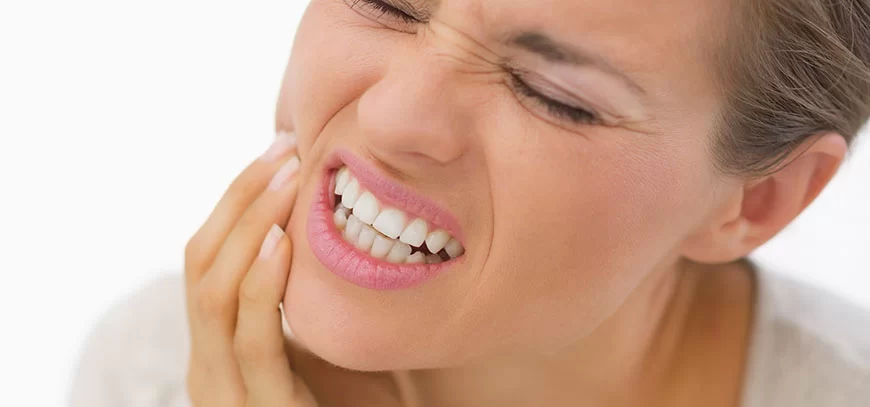
Teeth Clenching (Bruxism) Diagnosis and Treatment
Bruxism, also known as teeth grinding or clenching, is an involuntary contraction of the jaw muscles that typically occurs during sleep or under stressful conditions. In the long term, it can lead to problems such as tooth wear, sensitivity, jaw joint pain, and headaches. Therefore, early diagnosis and appropriate treatment are critical for maintaining both dental health and quality of life.
Bruxism can affect not only the teeth but also the jaw muscles, joints, and even the neck area. Symptoms such as visible wear on the teeth, damage to fillings or crowns, clicking and pain in the jaw joint, headaches, and fatigue are among the most common indicators of bruxism. With modern dental practices, bruxism can be effectively managed both functionally and aesthetically.
What is Bruxism?
Bruxism is the involuntary clenching and grinding of teeth, often caused by stress, sleep disturbances, or misalignment of teeth. This can damage tooth enamel, crack fillings and crowns, and cause pain in the jaw joint.
Teeth grinding can occur both day and night. Nocturnal bruxism, in particular, can progress unnoticed and cause significant wear and tear on teeth. Therefore, it is important to diagnose it with regular dental checkups and, if necessary, specialized tests.
How is Bruxism Diagnosed?
Diagnosing bruxism begins with a detailed dental and jaw examination. A doctor assesses tooth wear, damage to fillings, and tenderness in the jaw muscles. If necessary, night guards, jaw joint function tests, and digital recording devices are used to assess teeth grinding during sleep.
Early diagnosis helps protect teeth and prevent jaw joint problems. Additionally, treatment planning is personalized, taking into account the patient’s lifestyle, stress level, and sleep habits.
Bruxism Treatment Methods
Bruxism treatment aims to both reduce symptoms and maintain the health of your teeth and jaw. Treatment methods include:
- Nightguard Use: Protects the jaw and teeth, reducing wear and tear caused by clenching.
- Stress Management and Psychological Support: In stress-induced bruxism, relaxation techniques and therapy may be recommended.
- Muscle Relaxation Apps: Massage, hot and cold applications, or medical treatments relax the jaw muscles.
- Digital and Functional Monitoring: Advanced devices monitor nighttime movements and guide treatment.
- Dental Corrections: If there is a malocclusion or jaw misalignment, orthodontic or restorative interventions may be planned.
Treatment is personalized based on the patient’s needs and the severity of bruxism and is often managed with a multidisciplinary approach.
Bruxism Treatment Process
The treatment process for bruxism varies depending on the patient and the severity of the problem. Generally, the process progresses as follows:
| Stage | Duration | Description |
|---|---|---|
| Examination and Diagnosis | 20–40 min | Teeth, jaw joint, and muscles are evaluated; Necessary tests are performed. |
| Treatment Planning | 15–30 min | Personalized night guards and other treatment methods are determined. |
| Application and Education | 30–45 min | The night guard is applied, and the patient is instructed on proper use. |
| Follow-up and Control | After 1–2 weeks | The fit of the guard and the health of your teeth/jaws are checked, and adjustments are made if necessary. |
| Long-Term Monitoring | 3–6 months | Treatment effectiveness is evaluated and Additional applications are made if necessary. |
Advantages of Bruxism Treatment
- Protects dental health: Wear and tear and fractures are prevented.
- Supports jaw joint health: Pain and clicking problems are reduced.
- Headaches and fatigue are reduced: Tension during sleep is controlled.
- Safe and comfortable: Treatment is provided with minimally invasive methods.
- Personalized planning: Adapted to the patient’s lifestyle and jaw structure.
Why Treat Bruxism with Us?
- Expert staff: Doctors experienced in jaw and dental health, aesthetic and functional treatment.
- Personalized approach: Customized planning and treatment for each patient.
- Modern technology: Digital monitoring and custom night guards
- Comfortable process: Painless, safe, and patient-friendly treatment
- Follow-up and care: Long-term monitoring and support
Treatment for bruxism is an approach that protects both teeth and the jaw joint, improving quality of life. Modern approachWith our expert team and techniques, we offer painless, safe, and functional results.
Contact us today to protect the health of your teeth and jaw, reduce headaches, and sleep soundly at night.