
Root Canal Treatment in Single-Canal Teeth: Save Your Teeth with Dentocare Kahramanmaraş
Root canal treatment is one of the most misunderstood treatments in dentistry and creates unnecessary fear among patients. However, modern endodontics (the science of root canal treatment) is the most important procedure that relieves pain and saves the tooth from extraction, not causes it. The anatomical structure of teeth, the number of roots, and the canal structure vary according to the position of the tooth in the mouth. Teeth located in the front region and which are of great importance aesthetically are generally “single-canal”. Dentocare, a reliable haven in the field of oral and dental health in Kahramanmaraş, applies root canal treatment in single-canal teeth with the latest technologies, microscopic precision, and maximum patient comfort.
What is Root Canal Treatment in Single-Canal Teeth?
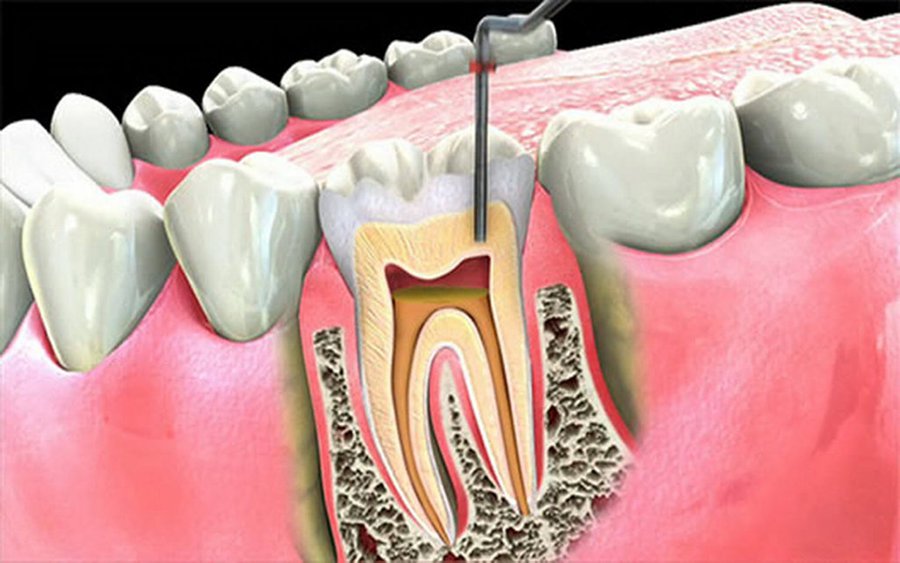
Root canal treatment is a treatment method applied when the blood vessel-nerve bundle (pulp) located in the center of the tooth and which nourishes the tooth becomes infected or loses its vitality. In single-canal teeth, root canal treatment is the process of cleaning the infected tissue inside these teeth, which generally have a straighter and simpler root structure, shaping the canal, and filling it in a watertight manner. Compared to multi-rooted and multi-canal posterior teeth, the treatment of single-canal teeth is anatomically more accessible, but it requires great precision due to their location in the aesthetic zone. At Dentocare Kahramanmaraş clinic, this procedure aims to extend the life of the tooth by preserving its natural structure.
Which Teeth Are Single-Canal Teeth?
The anatomy of each tooth in the human mouth is different. Teeth that generally have a “single root and single canal” structure are:
- Upper and Lower Central Incisors: The two front teeth located in the exact center of the mouth.
- Upper and Lower Lateral Incisors: Small incisors located right next to the central teeth.
- Upper and Lower Canines: The teeth located at the corners of the mouth, with the longest and strongest roots.
- Lower Premolars: Usually have a single canal, but sometimes they can show variations with two canals.
- Upper 2nd Premolars: They often have a single canal structure.
Why is Root Canal Treatment Necessary?
The pulp tissue located in the innermost part of the tooth; When tooth decay bacteria infect through trauma or cracks, they are unable to heal themselves. Once infection begins, the pulp tissue becomes inflamed and swollen. However, because the tooth is surrounded by a hard enamel layer, this swelling creates significant pressure inside, causing severe pain. If left untreated, the infection can spread from the root tip to the jawbone, leading to abscesses, cysts, and bone loss. Root canal treatment is the only way to break this chain of infection and keep the tooth in the mouth. Otherwise, the tooth must be extracted.
The Purpose of Root Canal Treatment in Single-Canal Teeth
The primary goal of treatment is to completely remove microorganisms and infected tissue remnants from the root canal system (disinfection). The cleaned cavity must then be filled with biocompatible materials to prevent bacterial growth (obturation). At Dentocare, the aim of our treatments is not only to relieve pain but also to preserve the tooth’s function and aesthetics for many years.
What are the Symptoms Requiring Root Canal Treatment?
Patients usually come to our clinic with the following complaints:
- Spontaneous Pain: Severe pain, especially at night, that is throbbing and does not subside with painkillers.
- Prolonged Sensitivity: Pain that continues after eating or drinking something cold or hot, even after the stimulus is removed.
- Chewing Sensitivity: Pain that occurs when pressure is applied to the tooth or while eating.
- Swelling in the Gum: A pimple-like fistula opening or general swelling that is an outward manifestation of infection at the root tip.
- Discoloration: Graying or bruising (loss of vitality) of the tooth after trauma.
Single Root Canal Examination and Diagnosis Process in Teeth
At Kahramanmaraş Dentocare, the diagnostic process begins with listening to the patient’s complaints. The physician inquires about the character, duration, and triggers of the pain. Then, a clinical examination is performed; a cold test (vitality test) and percussion test (gently tapping the tooth) are applied to the tooth. Radiographic imaging is essential for confirming the diagnosis.
Imaging Methods Used in Root Canal Treatment
In modern endodontics, the accuracy of diagnosis depends on imaging technology. In our clinic, digital periapical radiographs (RVG) are used to clearly visualize the root length, number of canals, and the extent of infection at the root tip. In complex cases or when cysts are suspected, 3D Dental Tomography (CBCT) is used to perform a three-dimensional analysis of the tooth. In this way, abnormalities that might be missed are identified.Canals or root cracks are detected.
How is Root Canal Treatment Applied in Single-Canal Teeth?
The treatment procedure is a meticulous process where the sterilization chain is not broken:
- Anesthesia: The tooth and surrounding tissues are completely numbed with local anesthesia. The patient feels no pain during the procedure.
- Isolation (Rubber Dam): The tooth to be treated is isolated from the oral environment with a rubber dam. This prevents bacteria in saliva from entering the canal and prevents the solutions used from escaping into the mouth.
- Entry Cavity: A small hole is made from the back surface of the tooth (in front teeth) or the chewing surface (in premolars) to reach the pulp chamber.
- Canal Shaping: The infected nerve tissue is removed. The canal length is measured with electronic apex locators. Rotary instrument systems are used to widen and clean the canal walls.
- Irrigation (Washing): The canals are thoroughly washed with special disinfectants such as sodium hypochlorite to eliminate germs.
- Canal Filling: The cleaned and dried canal is sealed with a rubber-based substance called “Gutta-Percha” and canal sealant.
How Long Does Treatment Take for Single-Canal Teeth?
Because the anatomy of single-canal teeth is less complex than that of multi-rooted teeth, the treatment time is generally shorter. In most cases, a single session lasting approximately 45 minutes to 1 hour is sufficient. However, if there is a dense abscess or cyst at the root tip of the tooth, the dentist may prefer to place medication in the canal and wait. In this case, the treatment may be spread over 2 sessions. Dentocare successfully implements “Single Visit Endodontics” protocols to make efficient use of the patient’s time.
Is Root Canal Treatment Painful in Single-Canal Teeth?
Contrary to popular belief, root canal treatment is not a painful procedure. Thanks to modern anesthetic solutions and techniques, the tooth is completely numbed. Root canal treatment is a procedure performed to relieve existing pain. The patient is comfortable during the procedure. After the procedure, there may be slight sensitivity when the effect of the anesthesia wears off, but this is temporary.
Modern Techniques Used in Root Canal Treatment
Dentocare Kahramanmaraş closely follows technological developments in endodontics. Nickel-titanium (NiTi) rotary instrument systems, which replace traditional hand files, enable faster and more effective cleaning of canals. Electronic apex locators measure the canal length with millimeter precision without the need for X-rays. Ultrasonic irrigation systems eliminate even bacteria at the furthest points of the canal.
Tooth Sensitivity After Root Canal Treatment
It is normal to experience mild pain or sensitivity when pressing on the tooth or chewing for a few days following treatment. This is part of the healing process of the tissues at the root tip (flare-up). This process can be comfortably managed with simple painkillers recommended by your dentist. If the pain intensifies or swelling occurs, you should definitely contact our clinic.
Filling and Veneer Options in Single-Canal Teeth
| Restoration Type | Description | Recommended Cases |
|---|---|---|
| Composite Filling | Aesthetic, tooth-colored filling. | Teeth with minimal material loss, where only an access cavity is opened. |
| Fiber Post Supported Filling | Reinforcement with a fiber rod placed inside the root. | Teeth with moderate material loss, where the tooth is at risk of fracture. |
| Porcelain / Zirconium Veneer | Complete covering of the tooth. | Teeth with significant substance loss, discoloration, or high aesthetic expectations. |
Protecting the Tooth After Root Canal Treatment
Teeth that have undergone root canal treatment may become more fragile over time because they lose their vitality (liquid content). Especially in front teeth with significant substance loss, fillings alone may not be sufficient to protect the tooth from fractures. In these cases, the life of the tooth is extended by using “Fiber Post” applications supported by the root canal or aesthetic veneers (Zirconium, E-max) that surround the tooth.
Reducing the Risk of Infection in Single-Canal Teeth
The key to a successful root canal treatment is sealing. After the root canal filling is completed, the superstructure (filling or crown) must be of a quality that will prevent bacteria from re-entering the canal. A condition called “coronal leakage” is the biggest cause of root canal treatment failure. At Dentocare, superstructure restorations are completed immediately after or very shortly after root canal treatment, eliminating this risk.
The Importance of Hygiene and Sterilization in Root Canal Treatment
Endodontics is a battle against microbes. The tools used in this battle…The sterility of instruments is of vital importance. At Kahramanmaraş Dentocare clinic, sterile or single-use root canal instruments are used for each patient, tailored to their individual needs. Autoclave sterilization and clinical hygiene protocols reduce the risk of cross-infection to zero.
Who is Suitable for Root Canal Treatment in Single-Canal Teeth?
It is suitable for any patient whose tooth roots and surrounding bone tissue are in a supportable condition and whose general health is favorable. In every case where the tooth has not reached the extraction limit (excessive decay or vertical root fracture), root canal treatment is the primary choice. Keeping your own tooth in your mouth is more valuable than even the best implant.
Permanence and Long-Lasting Results of Root Canal Treatment
According to literature data, the success rate of root canal treatments performed with the correct techniques is over 95%. With good oral care and regular check-ups, a root-treated tooth can remain in the mouth and function for a lifetime. However, brushing and flossing should not be neglected as the risk of tooth decay continues.
Post-Root Canal Treatment Check-ups in Single-Canal Teeth
It is recommended to take a control X-ray 6 months after the completion of treatment. This X-ray checks whether the infection (lesion) at the root tip has healed and whether bone formation has occurred. Dentocare guarantees the permanence of success by following up on its patients’ treatments in the long term.
Preserving Healthy Teeth with Root Canal Treatment in Single-Canal Teeth
Severe toothache does not mean you have to lose your tooth. On the contrary, it is a warning, and with the right intervention, your tooth can be saved. As Dentocare in Kahramanmaraş, we solve the problems in your single-canal teeth with the most modern endodontic approaches, relieve your pain, and preserve your smile. Tooth extraction is a last resort; our priority is always to preserve your natural tooth. With our expert staff and technological infrastructure, we continue to offer reliable solutions for your dental health.