
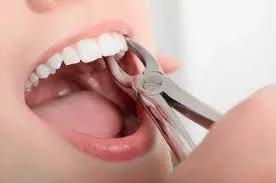
Tooth Extraction: The Right Step to Take When Necessary for Your Health
The fundamental philosophy of dentistry is to keep and protect natural teeth in the mouth for as long as possible. However, in some cases, keeping a tooth in the mouth due to damage, risk of infection, or orthodontic requirements can pose a threat to overall health and surrounding tissues. This is where “Tooth Extraction” (Exodontia) comes into play as an unavoidable and curative treatment method. Dentocare, a reliable center in Kahramanmaraş in the field of oral and dental health, transforms tooth extraction from a source of fear into a comfortable procedure with modern anesthesia techniques and minimally invasive surgical approaches. Tooth extraction is not only the removal of a diseased organ from the body, but also a process of preparing a healthy foundation for future implant or prosthetic treatments.
What is Tooth Extraction?
Tooth extraction is the process of removing a tooth from its socket in the alveolar bone using surgical instruments and under anesthesia, minimizing damage to the integrity of the bone and soft tissue. This procedure is the oldest and most fundamental surgical procedure in dentistry. However, the technology and techniques used today have made the procedure less traumatic. At Dentocare Kahramanmaraş clinic, tooth extraction is performed not just as “removing the tooth,” but with the vision of preparing the ground for future restorations by preserving the surrounding bone tissue (Atraumatic Extraction).
When is Tooth Extraction Necessary?
For dentists, tooth extraction is always a last resort (Ultima Ratio). The decision to extract is made for teeth that have no chance of being saved with methods such as root canal treatment, fillings, or crowns. Generally, the following situations necessitate tooth extraction:
- Advanced Caries: Cases where the crown of the tooth is completely destroyed and the root is also too decayed to be saved.
- Severe Gum Disease (Periodontitis): Excessive loosening of the tooth due to the erosion of the bone tissue supporting the tooth.
- Non-Healing Infections at the Root Tip: Teeth with cysts or abscesses that do not respond to root canal treatment and apical resection procedures.
- Orthodontic Reasons: Extractions performed to create space to align teeth due to jaw narrowing during orthodontic treatment.
- Impacted Teeth: Wisdom teeth that have not erupted, are partially impacted, or put pressure on other teeth.
- Trauma: Teeth that are fractured vertically as a result of an accident and require restoration. Teeth that cannot be extracted.
Pre-Examination and Evaluation of Tooth Extraction
A detailed pre-evaluation is essential for a successful and complication-free extraction procedure. At Dentocare clinic, the patient’s general health status, medications used (especially blood thinners and bisphosphonates), allergies, and systemic diseases (diabetes, hypertension) are inquired about. This information determines the type of anesthesia to be used during extraction and the medications to be prescribed after the procedure. In addition, the patient’s anxiety level is assessed, and sedation options are discussed if necessary.
How is the Decision to Extract a Tooth Made?
The decision-making process is based on a combination of clinical findings and the patient’s complaints. Symptoms such as pain, swelling, and the presence of fistulas are evaluated. The physician analyzes the tooth’s reaction when touched, the degree of looseness, and the health of the surrounding tissues. If leaving the tooth in the mouth will harm the patient’s general health or neighboring teeth, the decision to extract is finalized.
Necessity of Extraction in Unsalvageable Teeth
Sometimes patients may not want to have teeth extracted that have remained as roots or are severely damaged because they “don’t cause pain.” However, these teeth are called “Focal Infection Foci.” When the body’s resistance decreases, these foci can become active and lead to serious health problems in distant organs such as the heart, kidneys, and joints. Therefore, extraction of unsalvageable teeth is part of preventive dentistry.
Radiological Examination Before Tooth Extraction
Visual examination alone is not sufficient. The shape of the roots, their curves, their ankylosing (attached) status to the bone, and their proximity to nerve canals can only be understood with radiological imaging. Panoramic X-rays are standard at Dentocare Kahramanmaraş. However, in the case of impacted teeth or risky extractions near nerves, 3D Dental Tomography (CBCT) is used to examine the three-dimensional position of the tooth with millimeter precision, minimizing the risk of surprises.
What is Simple Tooth Extraction?
Simple tooth extraction is a procedure applied to teeth that are fully visible in the mouth, have a normal root structure, and can be removed using only hand instruments such as forceps and an elevator, without requiring surgical intervention (bone removal or gum incision). Single-rooted front teeth or loose teeth usually fall into this category. The procedure time is quite short, and the healing process is very fast.
What is Surgical Tooth Extraction?
SurgerySurgical extraction is the process of removing teeth that are broken, have crooked roots, or are fused with bone, all of which are located beneath the gum line. During this procedure, a small incision is made in the gum, the bone covering the tooth is removed if necessary, and the tooth is then cut into pieces and removed. Stitches may be required after the procedure. The word “operation” may sound frightening, but thanks to strong local anesthetics, the patient feels nothing during the procedure.
Comparison of Simple and Surgical Extractions
| Features | Simple Tooth Extraction | Surgical Tooth Extraction |
|---|---|---|
| Condition of the Tooth | Visible, accessible. | Impacted, fractured, at root level. |
| Procedure Time | Short (5-15 Minutes). | Longer (20-45 Minutes) (Minutes). |
| Incision/Stitches | Usually none. | Usually there. |
| Healing | Very fast. | Requires attention for a few days. |
Extraction Procedures for Impacted Teeth
Especially wisdom teeth (20-year-old teeth) cannot fully erupt due to lack of space in the jaw and remain impacted or partially impacted. Partially impacted teeth cause food accumulation and gum inflammation called “Pericoronitis”. Fully impacted teeth can lead to cyst formation or erode the root of the tooth in front. Dentocare works with expert oral surgeons to perform impacted tooth surgeries, ensuring safe procedures that eliminate the risk of nerve damage.
How is a Tooth Extraction Performed?
The stages of tooth extraction follow a standard protocol:
- Anesthesia: The relevant area is completely numbed with local anesthesia.
- Loosening: The connection between the tooth and the gum is separated, and the tooth is gently loosened in its socket using instruments called elevators.
- Removal: The tooth is grasped with appropriate forceps and removed from its bone socket with gentle movements.
- Control and Tampon: The extraction socket is cleaned, a sterile gauze pad (tampon) is placed to stop bleeding, and the patient is instructed to bite down.
Application of Anesthesia in Tooth Extraction
Anesthesia is the most critical stage for a painless procedure. While infiltrative (regional) anesthesia is usually sufficient for the upper jaw, mandibular block (nerve numbing) anesthesia is applied in the lower jaw, where bone density is higher. Dentocare also applies topical (gel) anesthesia before the needle for the patient’s comfort, preventing the patient from feeling the pain of the needle.
How Long Does a Tooth Extraction Take?
The duration varies depending on the position of the tooth and the root structure. A simple extraction may take 5-10 minutes, while a challenging wisdom tooth extraction with bone retention may take 30-45 minutes. However, the majority of the time the patient spends in the chair is waiting for the anesthesia and the preparation stages.
Is Tooth Extraction Painful?
Absolutely not. Modern anesthetic solutions completely block nerve transmission. The patient only feels touch and pressure during the procedure, but does not feel sharp pain. The “pressure sensation” can sometimes be confused with pain by patients, but our doctors ensure comfort by staying in communication with the patient throughout the procedure.
Healing Process After Tooth Extraction
Immediately after extraction, the body activates its repair mechanism. The first stage is the formation of a blood clot in the extraction socket. This clot is a natural bandage that protects the exposed bone and nerve endings. Protecting the clot is the most important rule for healing. While the soft tissue (gum) closes in about 1-2 weeks, it may take 3-6 months for the bone tissue to completely fill.
Things to Consider After Tooth Extraction
There are golden rules that the patient must follow for the healing process to go smoothly:
- Tampo: The gauze pad should be bitten down on firmly for 30-45 minutes and should not be thrown away.
- Spitting: Absolutely no spitting should be done for the first 24 hours. Spitting can dislodge the clot and restart the bleeding.
- Gargling: Do not rinse your mouth on the first day.
- Smoking and Alcohol: Avoid smoking and alcohol for at least 48-72 hours. Smoking increases the risk of “Alveolitis” (Dry Socket).
- Heat: Avoid very hot food and drinks and hot showers on the first day.
Post-Tooth Extraction Swelling and Pain Management
Swelling (edema) in the face after surgical extractions is normal. To prevent this, apply ice externally for 10 minutes at a time (cold compress) for the first 24 hours. For mild pain that may start after the effect of anesthesia wears off, use the painkillers prescribed by your doctor. Blood-thinning painkillers such as aspirin should not be preferred as they will increase bleeding.
Bleeding Control After Tooth Extraction
It is normal to have slight bleeding in the form of oozing during the first 24 hours, and this may stain saliva. This should not alarm the patient. If the bleeding is active and persistent…If there is bleeding that doesn’t stop, apply pressure to the area with a clean gauze pad for 45 minutes. If it doesn’t stop, contact a Dentocare clinic.
Post-Tooth Extraction Nutritional Recommendations
Food should not be eaten until the numbness subsides (approximately 2-3 hours), otherwise the tongue and cheek may be bitten. Warm, soft, and non-grainy foods (soup, puree, yogurt) should be preferred for the first few days. Using a straw is prohibited as it may disrupt the clot due to the vacuum effect it creates. Drinking plenty of water supports healing.
Post-Tooth Extraction Oral Care
After the first 24 hours, other teeth should be brushed without damaging the extraction site. If recommended by the dentist, oral hygiene should be maintained with warm salt water or antiseptic mouthwash. A clean mouth reduces the risk of infection and ensures faster wound healing.
Who is Suitable for Tooth Extraction?
Anyone with a controlled systemic disease (diabetes, high blood pressure, etc.) can have a tooth extracted. However, patients using blood thinners may need to have their medication adjusted in consultation with their doctor. Special precautions should be taken in patients using bisphosphonate drugs or undergoing head and neck radiotherapy. In pregnant women, except in emergencies, extraction is generally preferred in the second trimester (4-6 months).
Risks That May Occur After Tooth Extraction
The most common complication is “Alveolitis” (Dry Socket). Failure of clot formation or premature breakdown exposes the bone, causing severe pain. This condition usually develops due to the patient’s carelessness (smoking, spitting). Treatment is possible with dressings applied by the physician. Rarely, infection or sensitivity in adjacent teeth may occur.
Evaluation of the Tooth Space After Tooth Extraction
Tooth extraction is not an end, but the beginning of a new treatment. The space left by the extracted tooth should not be left empty. Over time, the space can cause the adjacent teeth to tilt, the opposing tooth to elongate, and the bone in that area to resorb. Therefore, before or immediately after extraction, a plan should be made for how that gap will be filled (implant or bridge).
Post-Tooth Extraction Implant and Prosthetic Options
Kahramanmaraş Dentocare recommends “Implant Treatment,” the gold standard in post-extraction rehabilitation. In suitable cases, an implant can be placed in the same session as the tooth extraction (Immediate Implant). If an implant cannot be placed, the gap is closed with classic bridge prostheses, restoring function and aesthetics.
The Importance of Sterilization and Hygiene in Tooth Extraction
Sterilization is vital in tooth extraction, which is a surgical procedure. At Dentocare clinic, all instruments are sterilized in autoclaves and single-use consumables are used. A sterile environment minimizes the risk of post-operative infection (post-operative complications).
Protecting Oral Health with Tooth Extraction
Sometimes sacrificing a tooth means saving all oral health. Removing the burden that an infected tooth creates in the body is a great contribution to overall health. At Dentocare Kahramanmaraş, we consider tooth extraction a last resort, but when necessary, we perform this procedure with the highest level of comfort and technology.