What is General Anesthesia in Aesthetic Dental Surgery?
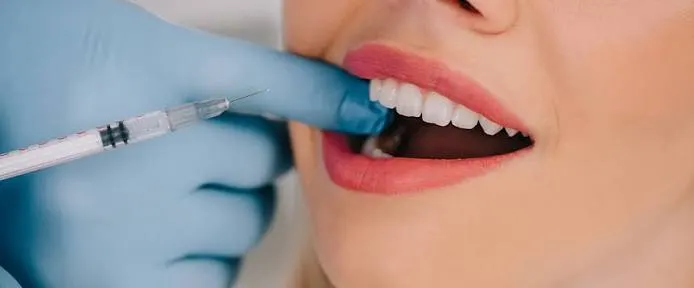
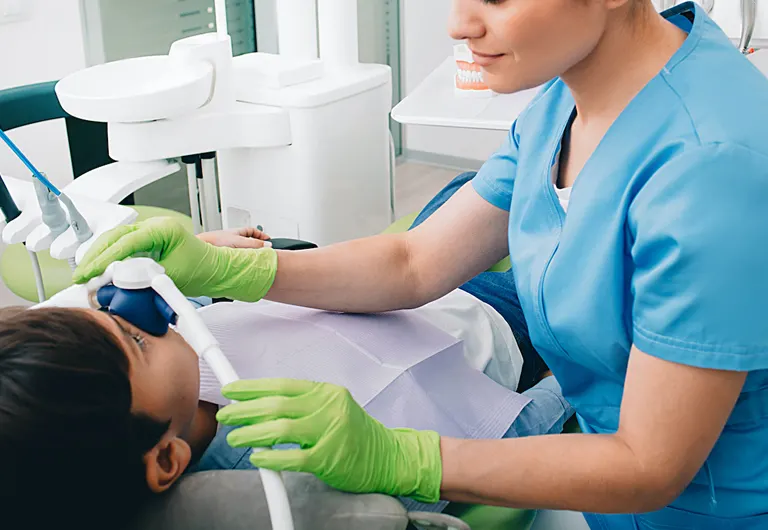
General anesthesia in aesthetic dental surgery is a controlled medical sleep state applied during combined aesthetic interventions that restructure smile appearance and chewing function. The patient’s consciousness is reversibly and completely closed with the help of intravenous (IV) drugs and anesthetic gases administered through the respiratory tract. This procedure temporarily suppresses the central nervous system and completely eliminates pain transmission in cases where local anesthesia is insufficient or the patient cannot psychologically sit in the dental chair. Throughout the entire process, the patient’s respiratory rhythm, blood oxygen level, and heart functions are monitored with advanced monitors.
- Complete Analgesia (Painlessness): Blocking the sensation of pain even in the deepest jaw and gum operations.
- Controlled Amnesia: The patient remembers nothing about the procedure moment, sounds, or medical instruments.
- Immobility: Necessary stabilization for the dentist to perform millimeter-precise aesthetic incisions and restorations flawlessly.
In Which Procedures is General Anesthesia Preferred in Aesthetic Dental Surgery?
In aesthetic oral and dental surgery, general anesthesia is mostly preferred in combined and invasive processes that would take months if done individually. This includes full-mouth implant placement procedures, sinus lifting (bone grafting) performed in cases of insufficient bone volume, widespread gingivoplasty operations that correct excessive gum appearance, and simultaneous porcelain crown/laminate veneer preparations. General anesthesia provides great time savings in large smile design projects that require simultaneous intervention from multiple specialties (oral surgery, prosthodontics, periodontology).
- Surgeries for multiple implant placement combined with bone augmentation (grafting).
- Asymmetric gum leveling operations covering the entire jaw within the scope of pink aesthetics.
- Extraction, cleaning, and placement of temporary aesthetic teeth for worn or damaged teeth in a single session.
For Whom is General Anesthesia Suitable in Aesthetic Dental Surgery?
This application is suitable for all children, young people, and adults whose systemic health status falls into ASA (American Society of Anesthesiologists) Class I and II categories — meaning they have no chronic conditions or their existing conditions (mild hypertension, etc.) are completely under control. It is the most comfortable solution especially for patients who have postponed their treatments for years due to needle phobia or fear of dental equipment sounds, resulting in widespread tooth loss and aesthetic collapse. Additionally, patients who cannot tolerate impression trays or scanners in their mouth due to severe gag reflex are primary candidates for this method.
| Patient Profile | Clinical Difficulty Level | Solution Under General Anesthesia |
|---|---|---|
| Individuals with Extreme Dental Phobia | Panic attacks, fainting, or treatment refusal in the clinical environment | Zero stress, full sleep state, and no memory of the operation |
| Patients with Time Constraints | Case groups coming from abroad or with limited time | Combining surgical and aesthetic procedures within 3-4 hours |
| Individuals with High Gag Reflex | Involuntary vomiting reaction even with intraoral mirrors | Clear digital impressions and preparations by suppressing reflexes |
How is Pre-Operative Evaluation Performed for General Anesthesia in Aesthetic Dental Surgery?
For the operation to be completed safely, a comprehensive pre-operative screening is applied to the patient for whom general anesthesia is decided before the procedure day. In this evaluation, a detailed medical history (past illnesses and surgery history) of the patient is first taken. The anesthesiologist physically examines the patient’s airways, jaw opening, and neck anatomy. The patient’s suitability for anesthesia is clinically approved by reviewing blood analyses performed in the laboratory along with cardiovascular screenings such as chest X-ray and ECG.
- Blood Count and Coagulation: Determination of PT, PTT, and INR values that measure bleeding tendency.
- Biochemical Analysis: Enzyme tests showing the liver and kidney’s drug elimination capacity.
- Systemic Consultation: Written approval from the relevant specialist physician for patients with a history of heart disease, asthma, or diabetes.
Why is Fasting Time Critically Important?
Full adherence to the fasting rule before surgery for patients undergoing aesthetic dental operations under general anesthesia is the strictest medical requirement to prevent life-threatening complications. When anesthetic drugs relax muscle tone, the upper valve of the stomach also relaxes and the protective swallowing/coughing reflexes are completely eliminated. If there is food or liquid in the stomach, this content can leak from the esophagus to the mouth due to gravity and pressure, and from there escape into the windpipe, leading to a fatal lung infection called “aspiration pneumonia.”
- Solid Foods: All solid food consumption must be stopped at least 8 hours before the operation time.
- Clear Liquids: Clear liquids such as water or pulp-free light tea can be consumed in limited amounts up to 2 hours before surgery.
- Gum and Cigarettes: Strictly prohibited on the morning of the procedure as they artificially increase stomach acid secretion.
Can Smile Aesthetics (Smile Design) Procedures Be Performed?
Yes, complete smile aesthetics (smile design) applications can be performed extremely comfortably and with high success under general anesthesia. Processes such as tooth preparation, asymmetric gum corrections, and fitting of temporary teeth — which require the patient to keep their mouth open for hours while awake and tire the jaw — are completed in a single session while the patient is asleep. Since the patient feels no pain or fatigue, the prosthodontist and aesthetic dentist can complete microscopic surface preparations and digital scanning procedures of the teeth with full concentration and without rushing, in the most ideal form.
- Single-session laser peeling of dark discolorations (hyperpigmentation) on the gums.
- Millimeter-precise shaping of all teeth for porcelain laminate or zirconium crowns.
- Recording of occlusion geometry and vertical dimension with digital arc analyzers while the patient is asleep.
Can Implant and Bone Graft Applications Be Performed Together?
While placing implants in missing tooth areas to complete smile aesthetics, bone grafting (bone powder) and membrane applications in areas with insufficient bone can routinely be performed together under general anesthesia. In cases of advanced bone resorption, expanding the jawbone (block grafting) or lifting the sinus floor creates serious psychological stress when performed under local anesthesia while the patient is awake due to intense pressure and drilling sounds. General anesthesia eliminates this traumatic perception and allows the surgeon to intervene in the bone bed in much more comfortable and sterile conditions.
| Surgical Combination | Application Detail | Solution Provided by General Anesthesia |
|---|---|---|
| All-on-4 / All-on-6 Implants | Extraction of all teeth and placement of 4-6 implants in the same session | The intense 3-4 hour surgical duration feeling like seconds for the patient |
| Advanced Sinus Lifting + Graft | Lifting the upper jaw sinus membrane and filling with bone powder | Reduction of perforation risk by eliminating the patient’s head and jaw movements |
What Are the Advantages of General Anesthesia in Aesthetic Dental Surgery?
Using general anesthesia in aesthetic dentistry has many advantages that shorten treatment time from months to days and perfect the patient experience. Fillings, gum aesthetics, tooth preparation, and implant surgeries — which normally require planning 4-5 different sessions — are combined in a single anesthesia session. This allows people with needle and dentist phobia to achieve the aesthetic smile of their dreams in one go without postponing their treatments. For the dentist, operational success and millimeter accuracy are maximized since there is no risk of sudden patient movement.
- Time and travel savings: Elimination of session traffic for patients from abroad or out of town.
- Psychological comfort: Complete prevention of fear, panic, and anxiety attacks with medical sleep.
- Less post-operative edema: Minimization of tissue trauma in surgeries performed in a controlled manner in one session.
How Does the Recovery Process Progress After General Anesthesia?
After the operation is completed, the anesthesia gases are stopped and the patient is taken to the recovery room where their consciousness is slowly restored. Mild drowsiness, loss of orientation, or dryness in the throat due to intubation in the first 1-2 hours is completely physiological. The patient is discharged the same day once fully awake and vital signs are stable. The first 24 hours should be spent resting at home, and plenty of fluids should be consumed for the complete elimination of anesthesia drugs from the body. Mild aches related to interventions on the teeth and jawbone are controlled with analgesics prescribed by the doctor.
- Vehicles or machines requiring attention should definitely not be used on the first day as motor skills may be affected.
- Cold compresses (ice) should be applied externally to the area for the first 48 hours to prevent swelling (edema) on the face.
- For the first week, feeding should be with seedless, warm, and soft foods to avoid damaging surgical sutures and aesthetic infrastructures.
Who Are We? | Dentocare Oral and Dental Health Clinic
Dentocare is an accredited healthcare institution that combines modern dentistry disciplines with international medical standards and provides services with its fully equipped clinical infrastructure and operating room equipment. The general anesthesia and aesthetic surgery departments within our clinic operate jointly with a multidisciplinary working principle. Advanced smile design, dental implantology, bone grafting operations, and pink aesthetics applications are performed using the most modern anesthesia devices and artificial intelligence-supported 3D digital scanning technologies. As Dentocare, our main mission is to offer patients who cannot complete their treatments due to dental phobia, physical/mental disabilities, or time constraints a worry-free, comfortable, and flawless clinical experience with high-level sterilization and maximum patient safety principles.