
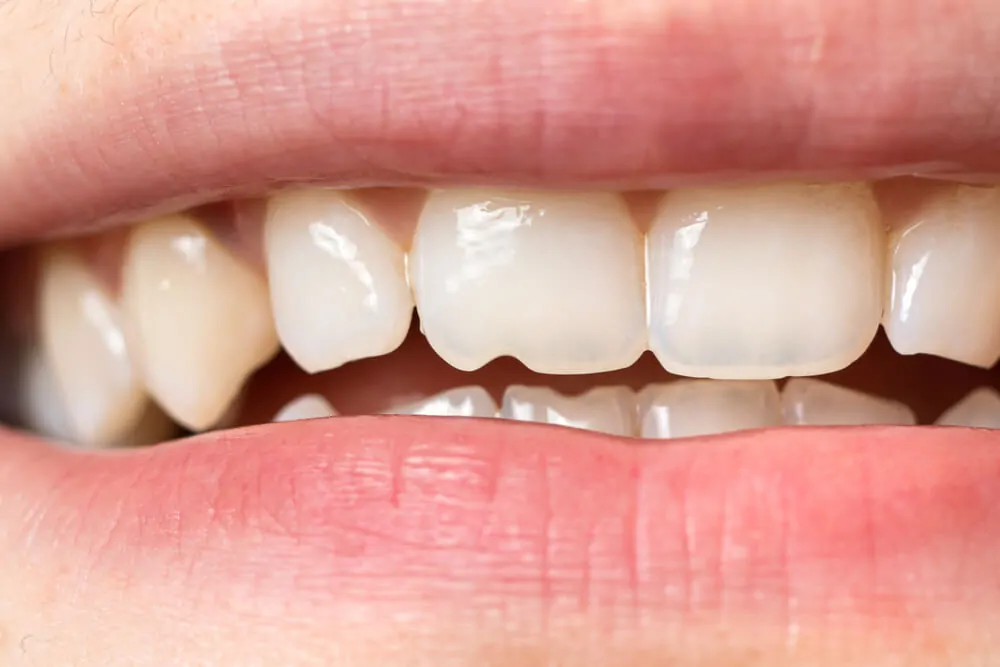
Expert Solutions in Broken and Cracked Tooth Repair: Dentocare Kahramanmaraş
Oral and dental health is one of the most important factors directly affecting overall quality of life. Accidents in daily life, consumption of hard foods, or long-term teeth grinding habits can lead to unwanted damage to tooth tissue. Dentocare, a pioneer in the field of oral and dental health in the Kahramanmaraş region, serves its patients by using all the possibilities offered by modern medicine in the field of “Broken and Cracked Tooth Repair”. Since even the smallest crack in tooth enamel can turn into major problems over time, this situation should be taken seriously. In this comprehensive guide, we will address all the details you might be wondering about, from the causes of broken and cracked teeth to treatment methods, from aesthetic concerns to functional solutions, from Dentocare’s professional perspective.
What are Broken and Cracked Teeth?
Although the concepts of broken and cracked teeth are often used interchangeably, they represent clinically different conditions. A broken tooth is when a part of the tooth breaks off or separates, disrupting its integrity. This usually develops suddenly as a result of trauma, and there is a visible loss of tooth structure. A cracked tooth, on the other hand, is a more insidious condition that begins in the enamel and can sometimes progress to the root, but where the parts of the tooth have not yet separated. Cracks can initially appear as thin lines (hairline fractures) that are difficult to see with the naked eye. Both conditions can leave the tooth’s nerve tissue (pulp) vulnerable and, if left untreated, can initiate processes leading to tooth loss. At Dentocare Kahramanmaraş clinic, detailed examinations clearly define the condition of the tooth, and the most accurate course of action is determined.
Why Do Fractures and Cracks Occur in Teeth?
Although tooth tissue is covered with enamel, the hardest substance in the human body, it can lose its resistance to certain forces. It is difficult to pinpoint a single cause for fractures and cracks; usually, this condition arises from a combination of multiple factors. The most common causes include:
- Physical Trauma: Sudden impacts such as falls, bumps, traffic accidents, or sports injuries.
- Hard Foods: Biting on hard objects such as ice, nut shells, hard candy, or fruit seeds.
- Bruxism (Teeth Clenching and Grinding): Pressing teeth together with excessive force, especially during sleep or stress, causes micro-cracks over time.
- Large Fillings: Fillings that have been done in the past and cover a large part of the tooth can weaken the remaining natural tooth tissue, making it prone to fracture.
- Sudden Temperature Changes: Consuming a very cold drink immediately after a very hot food causes cracks in the tooth enamel due to expansion and contraction caused by thermal shock. can create.
Differences Between Broken and Cracked Teeth
Accurately distinguishing between fractures and cracks is vital for determining the treatment protocol. Broken teeth usually have a significant loss of a piece, and sharp edges are felt when touched with the tongue. Pain varies depending on the depth of the broken piece; there may be no pain if it is at the enamel level, but severe pain is felt if the dentin or pulp is exposed. In cracked teeth, the situation is more complex. There may be no loss of a piece, but a sharp pain is felt during chewing, especially when releasing the bite (rebound effect). In this condition, called cracked tooth syndrome, the pain is intermittent and difficult for the patient to pinpoint. Dentocare physicians use special diagnostic tests to make this distinction.
Why Do Cracked Teeth Require Early Intervention?
Cracked teeth are like “ticking time bombs”. Initially, a superficial crack (craze line) at only the enamel level can deepen over time due to chewing forces, reaching the nerve chamber (pulp) inside the tooth. Bacteria seeping through the crack cause infection in the living tissue of the tooth. With early intervention, the tooth can be saved with a simple filling or crown, preserving its vitality; however, in delayed cases, root canal treatment or even tooth extraction may become unavoidable. At our clinic in Kahramanmaraş, we aim to preserve the structural integrity of the tooth with early diagnosis and prevent more invasive treatments.
What Happens If Broken and Cracked Teeth Are Not Treated?
Untreated fractures and cracks are not only an aesthetic defect but also open the door to serious health problems. The exposed dentin tissue develops extreme sensitivity to hot, cold, sweet, and sour foods. Bacteria progressing through the crack can cause abscess formation in the tooth root, facial swelling, and a risk of systemic infection. In addition, fractured surfaces can lead to chronic irritation and injuries to the tongue and cheek mucosa. Long vIn cases where a tooth is completely split vertically in two (vertical root fracture), saving the tooth becomes impossible and extraction becomes necessary. Therefore, a professional evaluation is essential even in the slightest doubt.
Examination Process in Repairing Broken and Cracked Teeth
For our patients who apply to Dentocare Kahramanmaraş clinic, the process begins with a comprehensive examination. Our doctor first listens to the patient’s complaints; the character of the pain, triggering factors, and trauma history are inquired about. Then, a clinical examination is performed. In addition to visual inspections, irregularities on the tooth surface are examined with instruments called probes. Bite tests are performed to try to determine which tooth is causing pain with which movement. The examination process aims not only to relieve the patient’s immediate pain but also to find the source of the problem and produce a permanent solution.
How is a Diagnosis Made in Broken and Cracked Teeth?
Modern imaging methods come into play in the diagnosis phase. Traditional X-rays may not always be sufficient to detect fractures, as cracks can run parallel to the X-ray beams. At this point, 3D tomography (CBCT) technology offers the opportunity to examine the layers of the tooth in detail. Additionally, using transillumination (examination with fiber optic light), the tooth’s light transmission capacity is assessed; the lines where light is refracted indicate the presence and depth of the crack. Tooth staining tests are another method used to make crack lines visible. Dentocare’s technological infrastructure allows for the detection of even so-called “invisible” cracks.
Personalized Treatment Planning in Tooth Repair
Every tooth fracture or crack is unique, and a standard treatment protocol may not be suitable for every patient. When creating a treatment plan, the tooth’s position in the mouth (front or back), the depth of the fracture, whether it extends below the gum line, the patient’s age, and aesthetic expectations are taken into consideration. For example, different materials are preferred for front teeth, where smile aesthetics are paramount, and different techniques are used for back teeth, where chewing force is intense. Dentocare guarantees both functionality and aesthetics by offering its patients a “tailor-made” treatment plan.
Repairing Fractured and Cracked Teeth with Fillings
In cases of small to medium-sized fractures where the tooth’s nerve is not affected, composite fillings are the most practical and effective solution. Reinforced composite materials, perfectly matching the tooth color, are applied in layers to the fractured area and hardened with special light devices. This process restores the tooth to its original form while also stopping the progression of the crack (bonding effect). Modern filling materials are highly resistant to chewing pressures and are aesthetically indistinguishable from natural teeth.
Tooth Repair with Bonding Application
Bonding is an aesthetic procedure that requires minimal intervention to the tooth, especially for small fractures and cracks in the front teeth. Without any grinding of the tooth, the shape of the tooth is reshaped using special adhesive agents and aesthetic composites. At Kahramanmaraş Dentocare clinic, bonding applications are performed with the precision of an artist. Broken corners are completed, tooth length is increased, or cracks on the surface are masked. It is a frequently preferred method because it can be completed in a single session and is economical.
Porcelain Veneer Treatment for Broken Teeth
In cases where there is a significant loss of tooth structure and fillings and repairs cannot provide sufficient durability, porcelain veneers (crowns) come into play. The tooth is reduced circumferentially, and a porcelain structure in the shape of a cap is placed on it. This method holds cracked teeth together by surrounding them with a “ring effect” and prevents the crack from progressing and separating the root. Porcelain veneers provide complete protection against external factors and offer a long-lasting solution. Metal-supported porcelain or all-ceramic (zirconium, E-max) options are determined according to the patient’s needs.
Front Tooth Repairs with Laminate Veneers
The ultimate aesthetic solution for fractures, cracks, or wear on front teeth is the application of Laminate Veneers (Porcelain Veneers). By minimally (0.3-0.7 mm) abrading only the front surface of the tooth, or sometimes without any abrasion (prepless), porcelain veneers the thickness of a fingernail are bonded. Laminates, which have the same light transmittance as natural tooth enamel, ensure that the fractured tooth looks flawless. Laminate treatments applied at Dentocare Kahramanmaraş are one of the most important parts of smile design.
Fractured Teeth Requiring Root Canal Treatment
If the fracture or crack has reached the pulp, which is the living tissue of the tooth, or has caused irreversible damage (necrosis) to the tooth nerve, root canal treatment is mandatory. In this procedure, the infected nerve tissue is cleaned, the canals are shaped, and filled in a watertight manner. Teeth that have undergone root canal treatment may become fragile over time because they have lost their source of nutrition. Therefore, a crown must be placed on the tooth after root canal treatment.The physical integrity of the tooth should be supported by placing a crown or onlay (porcelain filling).
Preventive Treatment Approaches for Cracked Teeth
Not every cracked tooth requires immediate aggressive treatment. In superficial enamel cracks (craze lines), if the patient does not complain of pain and it does not create an aesthetic problem, only observation may be recommended. However, to reduce the risk of cracks caused by bruxism (teeth grinding), patients are advised to use a night guard. Dentocare dentists prioritize identifying teeth at risk and preventing the crack from deepening with preventive measures.
How Long Does Repairing a Broken and Cracked Tooth Take?
The treatment time varies depending on the chosen method and the extent of the damage. A simple filling or bonding procedure can be completed in a single session within 30-60 minutes. Cases requiring root canal treatment may take 1 or 2 sessions. Prosthetic procedures that require a laboratory phase, such as porcelain veneers or laminates, take an average of 5-7 days, including impression taking and fittings. Dentocare meticulously schedules appointments to ensure efficient use of its patients’ time.
Treatment Methods and Average Durations
| Treatment Method | Procedure Time (Estimated) | Number of Sessions | Area of Use |
|---|---|---|---|
| Composite Filling / Bonding | 30 – 60 Minutes | 1 Session | Small fractures, front tooth aesthetics |
| Porcelain Veneer | 5 – 7 Days | 2 – 3 Sessions | Front teeth Aesthetic Restoration |
| Porcelain Veneer (Crown) | 5 – 7 Days | 2 – 3 Sessions | Large substance loss, back teeth |
| Root Canal Treatment + Restoration | Variable | 2+ Sessions | Deep fractures/cracks reaching the pulp |
Are Tooth Repair Procedures Painful?
In modern dentistry, the concept of pain has largely become history. Thanks to the local anesthesia applied before the procedures, the patient does not feel any pain during the treatment. At Dentocare Kahramanmaraş clinic, patient comfort is kept at the highest level. Topical gels and digital anesthesia methods can be used, which don’t even cause the pain of an anesthetic injection. After treatment, especially after deep fillings or root canals, mild sensitivity is normal, but this can be controlled with simple painkillers.
Who is Suitable for Broken and Cracked Tooth Repair?
Broken and cracked tooth repair is suitable for patients of all ages whose general health is favorable. In children, different protocols are applied depending on whether the fracture is a primary or permanent tooth, while in adults, aesthetic and functional expectations are prioritized. In special cases such as pregnancy, emergency interventions can be performed safely, while aesthetic procedures that can be postponed can be planned for after childbirth. The important thing is for the physician to evaluate the patient’s history in detail.
Aesthetic Repair Methods for Front Teeth
Front teeth are the center of facial aesthetics. A fracture in this area can cause a person to hide their smile and lose self-confidence. The optical properties (light refraction, reflection, transparency) of the materials used in front tooth repairs must perfectly match those of natural teeth. At Dentocare, thanks to the “chameleon effect” filling materials and high-aesthetic ceramics used, it becomes impossible to distinguish where the repair begins and ends with the naked eye.
Repairs that Increase Durability in Posterior Teeth
The molars in the posterior region are the areas where chewing forces are most intense (approximately 60-70 kg/cm² pressure). Therefore, mechanical durability is prioritized over aesthetics in posterior tooth repairs. In posterior teeth that are at risk of cracking, porcelain fillings called “onlays” or “overlays” that completely cover the chewing surface are preferred. These restorations resist forces that try to separate the tooth with a wedge effect and preserve the integrity of the tooth.
Things to Consider After Tooth Repair
The success and permanence of the treatment are directly proportional to the care the patient shows after the procedure. With repaired teeth (especially those with bonding or veneers in the anterior region), actions such as cracking nuts, biting on pens, and opening packaging should be avoided. Teeth that have undergone root canal treatment should be handled carefully as they may be more fragile. In addition, routine oral hygiene (brushing, flossing) should not be neglected, and check-ups should be performed every 6 months at the Dentocare Kahramanmaraş clinic to examine the marginal adaptation of the restorations.
Balance Between Aesthetics and Function in Repairing Broken and Cracked Teeth
A good dentist doesn’t just create a beautiful-looking tooth; they also build a structure that functions perfectly. If the aesthetic filling disrupts the patient’s occlusion or causes premature contact during chewing, this can lead to new fractures, temporomandibular joint pain, and tooth sensitivity. All repairs performed at Dentocare are done with proper jaw movement.It is adjusted with micron precision to be compatible with the teeth. Aesthetics and function are balanced like the two scales of a balance.
Chewing Comfort After Tooth Repair
Patients who have been chewing on one side for a long time due to fractures or cracks regain balanced chewing comfort after treatment. Being able to eat using both sides without worrying about pain or sensitivity is also important for the health of the digestive system. The treated tooth mimics the feel of a natural tooth, and the patient quickly adopts the restoration as if it were their own part.
Long-Term Protection in Fractured and Cracked Teeth
Treatment is not just an immediate repair, but an investment in the future. Especially in individuals with a teeth grinding habit, the use of a “night guard” (which can also be supported with masseter botox) is essential to protect the repairs and existing natural teeth. These guards absorb the destructive forces on the teeth throughout the night, preventing both the fracture of the restorations and minimizing the risk of crack formation. Dentocare not only offers treatment to its patients, but also guides them on how to protect their teeth for a lifetime.
The Role of Modern Technologies in Dental Repair
Technology is the greatest force in dentistry, reducing the margin of error and increasing the success rate. Digital impression systems (CAD/CAM), intraoral scanners, and microscope-assisted treatments have revolutionized fracture and crack repair. By adopting digital dentistry protocols, Dentocare Kahramanmaraş offers its patients the fastest, most comfortable, and most precise treatment processes. Flawless restorations are produced with digital impressions taken in seconds, without the nausea caused by traditional impression trays.
A Healthy Smile with Fractured and Cracked Tooth Repair
A broken or cracked tooth doesn’t have to be your fate. With the right diagnosis, expert hands, and modern technology, even the most damaged teeth can be saved and kept in the mouth. As Dentocare Kahramanmaraş, our aim is not only to provide dental treatment to our patients, but also to restore their lost self-confidence and quality of life. Healthy, intact, and aesthetically pleasing teeth are the key to overall health and a happy smile.