
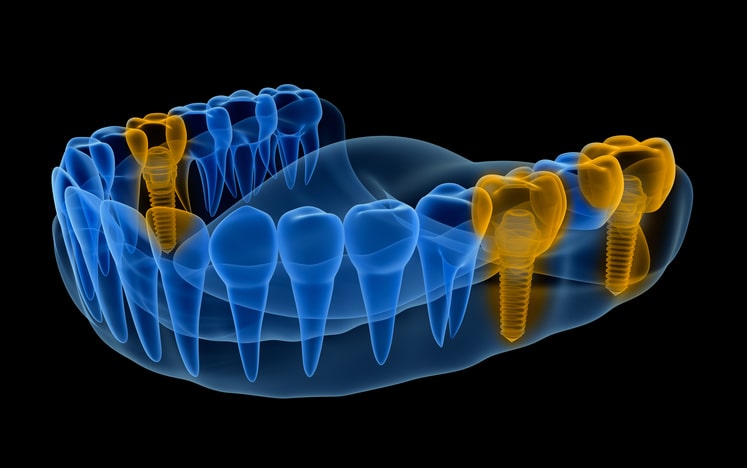
Digital Prosthetic and Veneer Planning: Flawless Precision with Dentocare Kahramanmaraş
Dentistry is undergoing an evolutionary process where traditional craftsmanship is combined with modern engineering. The pinnacle of this evolution is “Digital Dentistry” applications, which completely transform treatment processes. Prosthetic and veneer treatments aim to restore the patient’s chewing function as well as meet their aesthetic expectations at the highest level. Dentocare, which provides services with its advanced technology infrastructure in Kahramanmaraş, offers its patients millimeter-precise, long-lasting, and natural-looking solutions thanks to “Digital Prosthetic and Veneer Planning”. This system, which eliminates the uncertainties brought about by manual methods, ensures that every step from the design phase to the production phase is managed with computer support.
What is Digital Prosthetic and Veneer Planning?
Digital prosthetic and veneer planning forms the basis of CAD/CAM (Computer-Aided Design and Computer-Aided Manufacturing) technologies used in dentistry. This process begins with transferring the patient’s intraoral structure to a digital environment using optical cameras and 3D scanners instead of physical impression materials. On the resulting virtual model, the design of the porcelain veneer, zirconium crown, or implant-supported prosthesis is carried out through special software. This method promises a flawless production process by analyzing the anatomical form of the tooth, its relationship with the opposing tooth, and aesthetic parameters at the micron level.
How Does the Digital Planning Process Work?
The process follows an integrated digital workflow. In the first step, at the Dentocare Kahramanmaraş clinic, the patient’s intraoral space is scanned in seconds using high-resolution intraoral scanners. This scan creates a color and three-dimensional copy of the teeth, gums, and surrounding tissues. The data obtained is instantly transmitted to the design center. In the second stage, the dentist or digital design specialist designs the prosthesis virtually, according to the patient’s facial features and expectations. In the final stage, the approved design is produced from biocompatible blocks (ceramic, zirconium, etc.) by milling machines or 3D printers.
The Place of Digital Prosthetic and Veneer Technologies in Dentistry
Digital technologies have ceased to be a luxury in dentistry and have become a quality standard. The difficulties of taking impressions in traditional methods, the risk of deformation of plaster models, and communication breakdowns between technicians and dentists have become history thanks to digital systems. Dentistry has now become a predictable, repeatable, and high-standard science through digitalization. This technology not only speeds up prosthesis production but also maximizes the durability and aesthetic quality of the materials used.
Differences Between Traditional Methods and Digital Planning
The difference between the two methods is similar to the difference between analog photography and digital photography. One relies on manual skill and chemical processes, while the other focuses on digital precision and speed. The following table clearly illustrates these differences:
| Feature | Traditional Method | Digital Planning (CAD/CAM) |
|---|---|---|
| Measurement | Spoon and dough (High risk of nausea) | Digital camera (Fast and comfortable) |
| Accuracy | Prone to material shrinkage and human error | At the micron level (Near zero error) |
| Process | Multi-session, laboratory cargo process var | Delivery in a single session or in a very short time |
| Design | Handcrafting with wax modeling | Software-supported virtual design |
| Archiving | Plaster models (Fragile, space-consuming) | Digital data (Unlimited storage, easy access) |
Advantages of Digital Prosthetic and Veneer Planning
Digital planning creates a win-win situation for both the dentist and the patient. The most significant advantage is speed; patients do not have to wait for weeks with temporary teeth. Thanks to precision, the time spent in the chair for fitting (filing) the prostheses is reduced. Furthermore, thanks to digital archiving, an exact replica of the same tooth can be produced years later without the need for re-impression taking. Dentocare enhances treatment comfort by offering these advantages to its patients.
Increased Prosthesis and Veneer Fit with Digital Impressions
The most critical factor determining the lifespan of a veneer is the edge fit between the tooth and the veneer. If a gap remains (microleakage), bacteria entering from this area cause tooth decay. The materials used in traditional impressions can shrink while setting or expand while the plaster model is being cast. In digital impressions, however, there is no physical change in the material.Because there is no pre-existing image, the prosthesis produced is exactly what is scanned. This perfect fit ensures that the prosthesis sits on the tooth like a “key-lock.”
Personalized Digital Prosthesis Design
Each individual’s jaw movement and facial anatomy are as unique as a fingerprint. Standard, factory-made teeth do not look natural and can create functional problems. In digital design, the patient’s facial photographs are overlaid with intraoral scans. The dentist selects the most suitable tooth shape (oval, square, triangular) from thousands of tooth forms in the library according to the patient’s face type and makes personalizations. Angular lines, rounded ends, or surface texture are processed entirely according to the individual.
Balance of Aesthetics and Function in Digital Veneer Planning
A tooth that only looks good is unsuccessful if it hits the opposing tooth during chewing. Digital software simulates the patient’s chewing movements thanks to the “Virtual Articulator” function. The contact points of the designed veneer during side-to-side and forward-backward movements are analyzed. This allows for the planning of prostheses that are functionally flawless without compromising aesthetics, and that protect joint health.
Digital Smile Analysis in Prosthetic and Veneer Treatments
Smile analysis is the architectural project of aesthetic dentistry. Gum levels, tooth length-width ratios (Golden Ratio), lip support, and smile line are analyzed digitally. At Dentocare in Kahramanmaraş, this analysis, performed before the teeth are even prepared, prevents surprises in the outcome. How much the teeth will be lengthened or widened is determined by mathematical data.
Preliminary Treatment Outcome with Digital Planning
Patients’ biggest concern is the question, “How will my teeth look when they’re finished?” Digital planning eliminates this concern with a “Mock-up” application. The designed teeth are printed as models using a 3D printer or applied in the mouth with a temporary material. Before starting treatment, the patient sees, feels, and approves their new smile in the mirror. This “test drive” is the most important step in guaranteeing patient satisfaction.
Precision in Digital Prosthetic and Veneer Planning
The human eye and hand have a certain limit to their precision. However, CAD/CAM devices can process details of 10-20 microns (much thinner than a strand of hair). This precision ensures that veneers are ideally placed under the gums, dental floss passes through easily, and smooth surfaces are created that prevent the accumulation of food particles.
Reducing Error Margin with Digital Planning
In manual processes, technician fatigue, lack of attention, or the quality of the material used can affect the result. In the digital process, however, production is carried out by robotic arms and devices with industrial precision. Errors caused by the human factor are minimized. Since block-type materials (zirconium, e-max) are factory-produced, they do not contain air bubbles or structural defects, which reduces the risk of fracture.
Digital Simulation in Veneer Treatments
While the color, shape, and alignment of teeth are being changed, their overall facial harmony is checked with digital simulations. The patient can watch the changes in their teeth on their own photo on the screen. “Digital Smile Design” (DSD) software provides the patient with instant visual feedback by lightening the tooth color or lengthening the tooth length.
How Long Does Digital Prosthesis and Veneer Planning Take?
The prosthesis fabrication process, which can take 1-2 weeks with traditional methods, is dramatically shortened with digital planning. Single tooth veneers or small bridges can be completed in hours with Dentocare’s advanced infrastructure using the “Same Day Dentistry” concept. Full mouth rehabilitations can be completed within a few days. Speed is achieved without compromising quality.
How Does the Digital Planning Process Affect the Patient?
When the patient comes to the clinic, they sit in chairs for less time, attend fewer trial sessions, and get results faster. The process is transparent; the patient can participate in the design process with the doctor on screen. This interactive approach increases the patient’s confidence in the treatment and ensures that their expectations are fully understood.
Who is Suitable for Digital Prosthetic and Veneer Planning?
It is suitable for almost every patient who needs a prosthesis and whose oral structure and gum health are suitable. Especially for:
- Patients with limited time and who want quick treatment.
- Those with a gag reflex to traditional impression materials.
- Those with high aesthetic expectations.
- Those with metal allergies (Digital systems generally use metal-free materials).
Digital Planning in Anterior Tooth Veneers
The anterior region is the showcase of aesthetics. The slightest mistake here is noticeable. Digital planning perfectly adjusts the symmetry of the anterior teeth, the gingival zenith points, and the axial inclinations of the teeth. In porcelain veneer applications, the amount of material to be removed from the tooth is determined by digital guides, thus eliminating unnecessary material.This is prevented (Minimally Invasive Dentistry).
Digital Planning Approach in Posterior Tooth Prostheses
In posterior teeth, the priority is durability and chewing function. Digital planning allows for the processing of fracture-resistant materials such as monolithic zirconium by optimizing the contact points with the opposing tooth. Thus, durable, long-lasting, and aesthetically pleasing posterior tooth restorations are obtained.
Natural-Looking Prostheses with Digital Planning
Naturalness is hidden in the details. Digital libraries contain thousands of natural tooth forms scanned from real human teeth. Prostheses designed at Dentocare Kahramanmaraş are far from an “artificial and uniform” appearance. Micro-indentations and protrusions on the surface of the tooth, light-refracting properties, are processed into the prosthesis with digital milling devices.
Comfort in Digital Prosthetic and Veneer Treatments: The greatest comfort for our patients is the absence of the suffocating feeling created by impression trays and the minimization of the time spent with temporary teeth. Digital dentistry transforms the treatment process from a stressful experience into an exciting technological journey.
Application Stages After Digital Planning
After the design and production are complete, the prosthesis is checked one last time by the dentist. Thanks to digital precision, extra adjustment is usually not needed. The prosthesis is integrated into the tooth using special adhesive agents (cements). This stage also requires precision; it is essential for gum health that no residue remains on the edges of the prosthesis.
Modern Technologies in Digital Prosthetic and Veneer Planning
Dentocare has a vision that closely follows technology in Kahramanmaraş. The intraoral scanners, 5-axis milling units, and sintering furnaces used in our clinic are products from the world’s most prestigious dental technology brands. Furthermore, AI-powered design software supports the decision-making process by suggesting the most ideal tooth shape to the dentist.
Durability of Digital Prosthesis and Veneer Planning
Block materials produced using digital methods are much denser and more durable than traditional porcelains because they are produced by compression under industrial conditions. When combined with a properly planned occlusion, these prostheses have a very long lifespan. As long as the patient pays attention to oral hygiene, they maintain their initial aesthetics and function for years.
Post-Digital Planning Care and Check-ups
After the treatment is completed, digital records are not deleted; they are stored in Dentocare archives. In case of an accident or breakage, the same tooth can be reproduced without the need for the patient to take new impressions. During routine 6-month check-ups, the marginal fit of the prostheses and gum health are checked. Digital X-rays are used to monitor the tooth tissue under the prosthesis.
More Predictable Results with Digital Prosthesis and Veneer Planning
In short, digital prosthesis and veneer planning is a revolutionary approach that eliminates uncertainties in dentistry. As Kahramanmaraş Dentocare, we use this technology as a tool to design our patients’ smiles, bringing art and science together in the digital world. Instead of surprise results, achieving the smile you envisioned and saw on the screen is the greatest advantage offered by digital planning. You can experience the comfort of digital dentistry in our clinic for a healthy, aesthetic, and reliable treatment process.