
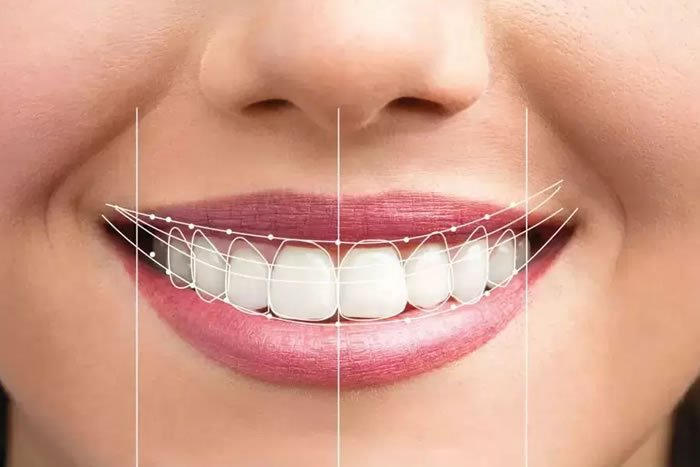
Minimal Aesthetic Corrections in Teeth: Perfection with Small Touches
When it comes to smile aesthetics, large and comprehensive transformation projects involving the complete cutting of teeth and the application of porcelain veneers usually come to mind. However, at the latest stage of modern dentistry, the focus is on preserving naturalness and minimizing intervention in the tooth tissue. Based on the philosophy of “less is more,” minimal aesthetic applications aim to create significant differences with only the necessary small touches, without disrupting the natural structure of the teeth. Dentocare, which brings a visionary perspective to aesthetic dentistry in Kahramanmaraş, provides its patients with a natural, healthy, and radiant smile using minimally invasive (preservative) techniques.
What are Minimal Aesthetic Corrections in Teeth?
Minimal aesthetic corrections in teeth are improvement procedures performed without any abrasion of the healthy tooth tissue or with very little abrasion at the micron level. These procedures are ideal for situations where major restorations are not needed to change the overall form, color, or texture of the tooth. Unlike traditional methods, minimal aesthetic corrections are reversible or repairable. The goal is not to recreate the tooth as an “object,” but to reveal its existing natural beauty and camouflage minor, noticeable imperfections. This approach is considered under the umbrella of “Preventive Aesthetics” in dentistry.
What Does the Minimal Aesthetic Approach Mean?
The minimal aesthetic approach means respecting biological tissue. It operates with the awareness that a tooth’s enamel is one of the most valuable and non-renewable tissues produced by the body. In this approach, the dentist asks the question, “Instead of cutting and crowning this tooth, how can I correct it by adding a small detail or slightly filing the tip?” This approach, which is the fundamental principle of Kahramanmaraş Dentocare clinic, aims to extend the life of the patient’s teeth. Minimal aesthetics is not only a technique but also an ethical stance; it is an investment not only in the patient’s present but also in their future oral health.
The Importance of Minimally Invasive Dental Aesthetics
Protecting tooth enamel is vital for the long-term health of the tooth. Once enamel tissue is lost, the tooth becomes more vulnerable to external factors, decay, and sensitivity. In aesthetic corrections performed with minimal interventions, the risk of root canal treatment or excessive sensitivity after the procedure is reduced to almost zero because the nerve (pulp) of the tooth is not approached. In addition, since the natural structure of the tooth is preserved, light transmission and naturalness remain at the maximum level. No matter how advanced artificial materials become, nothing can completely replace natural tooth enamel. Therefore, preferring minimally invasive techniques whenever possible is the golden rule of modern dentistry.
In Which Cases Are Minimally Invasive Aesthetic Corrections Applied?
These gentle procedures are suitable for individuals who do not want radical changes in their teeth but are bothered by small details in their smile. It is generally preferred in the following cases:
- Small cracks or nicks at the tips of the teeth.
- Slight gaps between teeth (diastema).
- Disproportionate tooth lengths (one tooth being longer than the other).
- Roughness on the tooth surface or developmental enamel defects.
- Mild tooth crowding (at a level that does not require orthodontic treatment).
- Sharp or irregular tooth tips.
- Masking stubborn stains that do not disappear with whitening.
What are Minor Aesthetic Defects in Teeth?
Minor aesthetic defects are generally details that do not affect function but disrupt visual integrity. For example, serrated edges of the front incisors (mamelonic structures remaining in adulthood), excessively sharp canine teeth (vampire tooth appearance), and conical or smaller than normal lateral incisors (peg lateral) fall into this group. Additionally, flattening of tooth tips and loss of aesthetic curve due to teeth grinding are also common minimal defects. Analyses conducted at Dentocare Kahramanmaraş identify how these minor defects can make facial expressions appear tired or harsh.
Examination Process in Minimal Aesthetic Corrections
The process begins with a detailed and interactive examination. While listening to the patient’s complaints, the dentist also observes the lip structure, smile line, and tooth visibility during speech. High-resolution photographs are taken and transferred to a computer. Based on these photographs, the extent of correction for each tooth and the areas to be enhanced are discussed with the patient. Even in minimal procedures, occlusion control is essential; The relationship between the upper and lower jaws is carefully examined to ensure that the aesthetic procedure does not break under chewing forces.
How is Personalized Aesthetic Planning Done?
Every face has a different character and every tooth has a different anatomy. Therefore, the fabricThere is no question of a procedure involving artificial reshaping. In personalized planning, the patient’s facial shape (oval, square, triangle) is taken as a guide. For example, in a patient with round facial features, softer rounding of the tooth corners is preferred, while if a masculine expression is desired, more angular lines can be planned. At Dentocare, using digital smile design tools, the result of minimal touches is simulated in a virtual environment.
Minimal Aesthetic Corrections with Bonding
Bonding (Composite Veneers) is the most powerful weapon in minimal aesthetics. Without removing any material from the tooth, the tooth surface is roughened with special agents, and an aesthetic composite material with a dough-like consistency, perfectly matching the tooth color, is placed on it. The dentist, like a sculptor, shapes this material to give the tooth the desired form. Broken corners are completed, tooth length is extended, or gaps are closed. The material, hardened with a special light device, achieves the shine of natural teeth when polished. Its biggest advantage is that it is completed in a single session and does not require anesthesia.
Tooth Contouring (Shaping) with Subtle Touches
Tooth contouring (enameloplasty) is the process of smoothing only micron-sized portions of tooth enamel by filing. It is generally used to correct irregularities, sharpness, or asymmetries at the tips of teeth. For example, if one front tooth is millimeters longer than the other, the longer tooth is slightly shortened to achieve symmetry. Or, the sharp edges of canine teeth are softened to create a more feminine smile. This procedure is completely painless and does not harm dental health; on the contrary, removing rough surfaces also reduces plaque accumulation.
Minimal Approaches in Color and Form Correction
Sometimes the tooth’s form is regular, but there are regional irregularities in its color (white spots, fluorosis). In these cases, a very thin layer of enamel where the stain is located is removed with special pastes using a method called “micro-abrasion”. Or, with the “resin infiltration” technique, special resins that refract light are impregnated into the white spots, making the stain invisible. In cases of deformities, bonding and contouring are combined (taking from one area and adding to another) to achieve the ideal form. Kahramanmaraş Dentocare successfully applies these hybrid techniques.
Minimal Aesthetic Applications on Front Teeth
Front teeth are the showcase of a smile. Even the slightest touch here completely changes the facial expression. The most common minimal application on front teeth is the adjustment of the “Smile Arch”. In an ideal smile, the incisal edges of the upper teeth should follow the curve of the lower lip. By adding volume to worn and flattened front teeth with bonding, this curve is recreated. This procedure instantly gives the person a younger and more dynamic look (Dental Anti-Aging).
Minimal Solutions for Small Gaps Between Teeth
Gaps between teeth, known as diastema, are considered a matter of luck in some cultures, but they bother many people aesthetically. Instead of cutting and veneering teeth or undergoing lengthy orthodontic treatments to close these gaps, minimal bonding is preferred. By adding extensions to the side surfaces of the teeth, the teeth are visually widened and the gap is completely closed. Since no pressure is applied to the gums during the procedure, gum health is preserved.
Correction of Small Cracks and Wear on the Tooth Surface
Notches on the tips of teeth, caused by hard foods, pen-biting habits, or trauma, are areas where the tongue constantly gets caught and causes discomfort. These areas also create an aesthetically “broken” appearance. These areas are repaired “invisibly” with aesthetic filling materials. Thanks to the chameleon-effect composites used at Dentocare, the boundary (transition line) between the filling and the tooth becomes impossible to see with the naked eye.
How Long Do Minimal Aesthetic Corrections Take?
One of the most attractive aspects of these procedures is speed. Many minimal aesthetic procedures can be called “lunchtime aesthetics.” While tooth contouring takes 15-20 minutes, bonding applications are completed in 45 minutes to 1.5 hours, depending on the number of teeth. The patient comes to the clinic, the procedure is performed, and immediately returns to their social life with their new smile. There is no laboratory phase (waiting time); the result is seen instantly.
Are Minimal Aesthetic Procedures Painful?
Absolutely not. In tooth contouring, pain is not felt and anesthesia is not required because the procedure is performed only on the outermost enamel layer, far from the nerve tissue of the tooth. In bonding procedures, since no grinding is usually done on the tooth, injections are not needed. This feature makes minimal aesthetic procedures an excellent option for patients with dental phobia.
Who is Suitable for Minimal Aesthetic Corrections?
Anyone with good general oral hygiene, no gum disease, and no major crowding or decay in their teeth is a candidate for these procedures. Especially those who are satisfied with the color and basic structure of their teeth and only want to change minor details.China is ideal. However, in patients with severe teeth grinding (bruxism), protective measures (night guard, Botox) may be necessary before or after the procedure, as there is a risk of the bondings breaking.
Method Comparison and Processes
| Method | Purpose of Procedure | Anesthesia | Recycling | Procedure Time |
|---|---|---|---|---|
| Tooth Contouring | Correcting sharp edges and imperfections | Not Required | No (Enamel is abraded) | 15 – 30 Minutes |
| Bonding | Correcting fractures, gaps, and shapes | Generally Not Required | Yes (Removable) | 45 – 90 Minutes |
| Micro-Abrasion | Removing Superficial Stains | Not Required | No (Surface Wiped) | 20 – 40 Minutes |
| Gum Shaping | Tooth Lengthening (Laser) | Local (Small Amount) | No | 15 – 45 Minutes |
Tooth Tissue Preserving Aesthetics
Kahramanmaraş Dentocare adopts the principles of “Biomimetic Dentistry.” This means mimicking nature and protecting the tooth. Minimal aesthetics is not just a cosmetic procedure, but also a treatment that preserves the structural integrity of the tooth. For example, covering a crack with bonding can prevent that crack from progressing and breaking the tooth. Therefore, minimal touches act as both an aesthetic and functional shield.
Natural Appearance After Minimal Aesthetics
The greatest proof of a successful aesthetic procedure is that it is undetectable that a procedure has been performed. Natural teeth are not a single color; their tips are transparent, their bodies are saturated, and the neck is darker. The materials and techniques used in minimal aesthetic applications mimic these natural light effects. Instead of opaque, matte, and “false tooth”-looking results; vibrant, sparkling results that look like the person’s own teeth are achieved.
Permanence of Minimal Aesthetic Corrections
The lifespan of the procedures depends on the patient’s usage habits and care. Bonding restorations can maintain their aesthetics for 5-8 years with good care. Tooth contouring is permanent; the tooth will not grow back or change shape (unless there is new wear or fracture). Stain treatments are also generally permanent. However, the bonding material may undergo slight discoloration over time due to tea and coffee consumption; in this case, it can be restored to its original shine with a simple polishing process.
How Should Post-Procedure Dental Care Be?
The most important point for patients to pay attention to after minimal aesthetic procedures is to protect their front teeth from traumatic forces. Actions such as cracking nuts, biting on pens, and opening packaging can cause bonding restorations to detach. Routine oral hygiene (brushing, flossing) should continue as usual. Rinsing the mouth after consuming staining foods helps preserve the color of aesthetic fillings. Dentocare check-ups every 6 months ensure the longevity of the procedures.
Evaluation of Aesthetics and Function Together
Beauty cannot be considered independently of function. Even when making a minimal correction, the patient’s jaw movements are taken into account. If the aesthetic addition creates “premature contact” during chewing, this can lead to both restoration breakage and tooth pain. Therefore, Dentocare dentists perform a detailed articulation check after completing the aesthetic procedure.
The Role of Minimal Touches in Smile Design
Sometimes, it’s not necessary to change everything for a perfect smile. Lightening the tooth color with a teeth whitening procedure and then a small contouring on just two front teeth can bring a person’s smile to “Hollywood Smile” standards. Minimal touches are the most strategic part of smile design. It is also a frequently preferred method of smile design by patients because it is more accessible in terms of cost and saves time.
Modern Technologies in Minimal Aesthetic Applications
Technology is the most important element supporting dexterity. Magnification systems (loupe glasses) allow the dentist to see the tooth surface 3-4 times larger, enabling precise work at the micron level. Laser devices make gum leveling bloodless and sutureless. Digital photography and imaging systems strengthen communication between the patient and the dentist. Kahramanmaraş Dentocare aims for flawless results by routinely using these technologies.
Big Aesthetic Impact with Small Interventions
The beauty of a painting is hidden in the details. The situation is no different in dental aesthetics. A millimeter-sized rounding at the corner of a tooth can transform a person’s expression from harsh to soft. Closing a dark triangle between teeth can make a smile look younger and healthier. Minimal aesthetics is the art of beautifying the whole by using the power of details.
MiMinimal Aesthetic Corrections for a More Natural Smile
In conclusion, it is possible to achieve your dream smile without pain, without high-cost and irreversible procedures, while preserving your own teeth. As the Dentocare Kahramanmaraş family, we offer an aesthetic approach that favors naturalness, adheres to preventive medicine principles, and has an artistic perspective. If you want to see “your own, but more beautiful” teeth, not “made-up” teeth, when you look in the mirror, minimal aesthetic corrections may be the right key for you.