
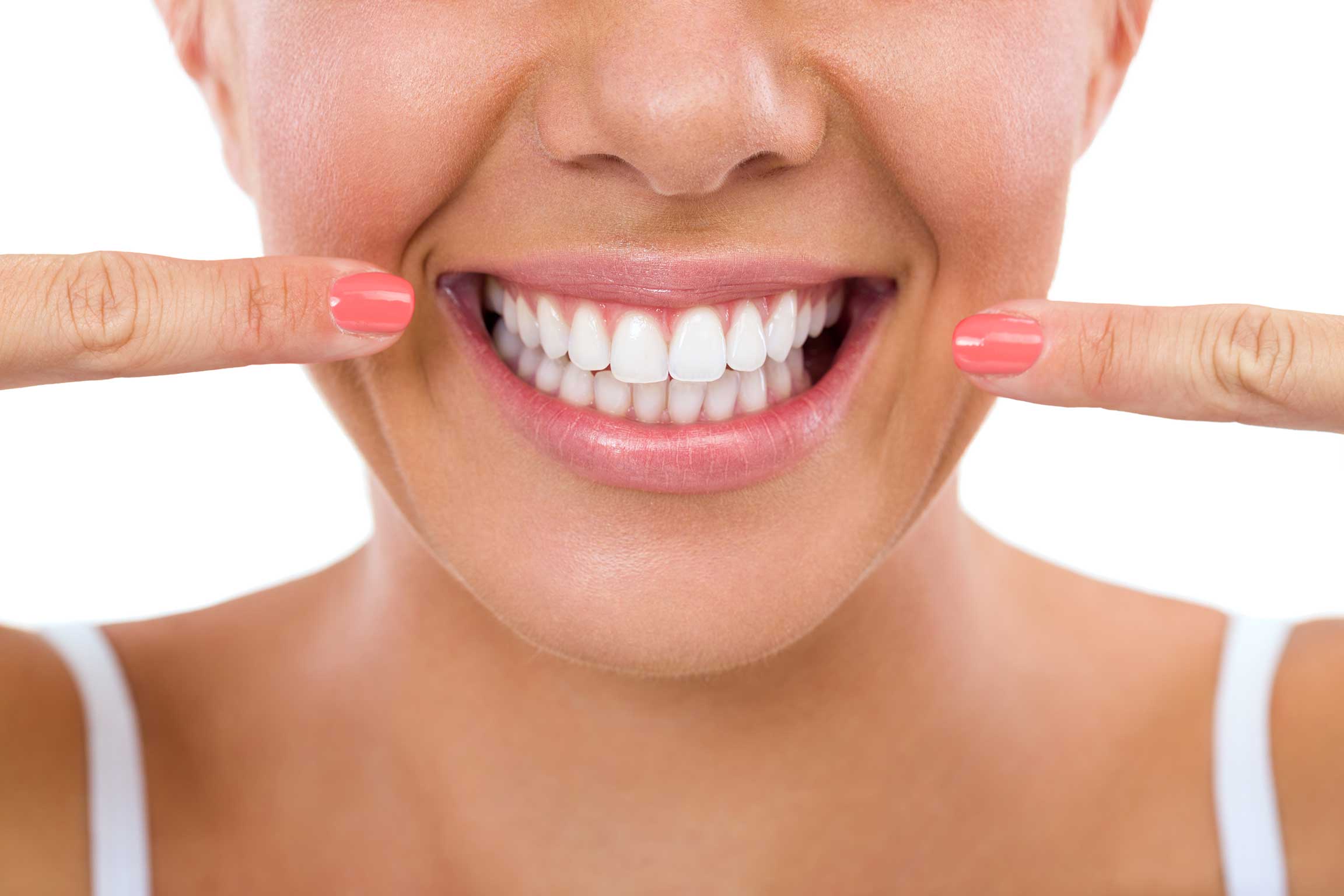
Flawless Smile Aesthetics with Tooth Shape and Length Correction
A smile is the most powerful accessory that determines an individual’s facial expression, creates the first impression in social communication, and is one of the cornerstones of self-confidence. However, teeth that wear down over time, are genetically disproportionate, or have their shape distorted as a result of accidents can overshadow this powerful expression. Dentocare, a reference point in the field of aesthetic dentistry in Kahramanmaraş, aims to provide its patients with not only a healthy smile but also a symmetrical and impressive smile in accordance with the golden ratio rules through “Tooth Shape and Length Correction” treatments. The size, shape, and harmony of teeth with facial features are the key to a youthful and dynamic appearance. In this comprehensive guide, we delve into all the topics of interest, from the causes of tooth shape deformities to modern treatment methods, from digital planning processes to permanence details.
What is Tooth Shape and Length Correction?
Tooth shape and length correction is a general term for procedures performed to improve the aesthetic appearance of teeth by rearranging the aspect ratio, angular or rounded contours, and relationship with the gums. This process does not simply mean lengthening or shortening teeth; it also involves adapting the character of the tooth to the patient’s facial type (oval, square, triangular). Also known as “cosmetic contouring” or “reshaping” in dentistry, these processes are sometimes performed with minimally invasive touches (such as filing), and sometimes with the use of restorative materials (bonding, veneers). The goal is to achieve harmony in tooth alignment without compromising naturalness.
Why are Tooth Shape and Length Important?
The shape and length of teeth provide clues about a person’s age, gender, and character. For example, long and prominent front incisors are often an indicator of youth and dynamism; Worn, shortened, and flattened teeth can make a person look older and more tired than they are. Also, sharp corners in tooth shape create a more masculine expression, while rounded lines create a more feminine and soft perception. In analyses performed at Dentocare Kahramanmaraş clinic, the visibility of tooth length during lip rest is also taken into account. Insufficient visibility of teeth while speaking or smiling can cause a sunken expression in the lower third of the face. Therefore, form and length are fundamental determinants of facial aesthetics.
How Do Tooth Shape Deformities Occur?
Shape and size deformities in teeth can be congenital or can develop later due to environmental factors. Genetic factors can cause teeth to be smaller than normal (microdontia) or larger (macrodontia). In addition:
- Bruxism (Teeth Grinding): Due to constant friction, the cutting edges of the teeth wear down, flatten, and shorten.
- Trauma: Fractures at the corners of the teeth caused by falls or impacts lead to deformities.
- Erosion: The erosion of tooth enamel due to reasons such as acidic food consumption or reflux causes the teeth to thin and deform.
- Developmental Anomalies: A common deformity is the condition where the lateral incisors, called “peg lateral,” are conical and small.
What are the Imbalances in Tooth Length?
In an ideal smile, the two upper front incisors (central teeth) are positioned relative to the adjacent teeth (lateral teeth) The teeth should be longer. Canine teeth can be almost the same length as central teeth or slightly shorter. However, differences in gum levels, excessive tooth elongation, or wear disrupt this balance. Sometimes, even if the teeth are of normal size, they can appear much shorter and more square-shaped due to excessive gum coverage (gummy smile). Such imbalances disrupt smile symmetry and create an aesthetically displeasing asymmetry.
How Do Tooth Shape and Length Affect an Aesthetic Smile?
In smile aesthetics, the appearance of teeth, referred to as “white aesthetics,” is an integral part of the lip structure and gums. Teeth with a proper shape and ideal length support the lips from the inside, increasing lip fullness and reducing the appearance of fine wrinkles around the mouth. This is called the “dental lifting” effect. Correcting tooth shape not only beautifies the teeth but also gives the patient’s face a brighter, more symmetrical, and positive expression. Dentocare offers personalized aesthetic plans by adopting the “Visagism” (dental design according to facial shape) concept, tailored to each patient’s facial features.
Examination Process in Correcting Tooth Form and Length
The foundation of successful treatment rests on a detailed analysis and examination process. The first step for patients applying to Dentocare Kahramanmaraş clinic is taking professional photographs and video recordings. The lip-tooth relationship of the patient is examined while speaking, smiling, and at rest.The chewing plane, midline symmetry, and occlusion are checked. Digital X-rays are used to assess the health of the tooth roots and surrounding tissues. If there is a grinding problem causing tooth wear, this functional problem is also planned to be resolved before or during the aesthetic procedure.
Personalized Dental Aesthetics Planning
There is no standard tooth shape or length; what is ideal is different for each individual. In personalized planning, “Digital Smile Design” (DSD) technologies are used. On the patient’s digital measurements, the finished teeth are designed in a virtual environment. At this stage, the patient can see how much their teeth will grow and how their shape will change on the screen. They even have the chance to experience the new tooth shape in their mouth with temporary applications called “Mock-ups” before starting treatment. This trial session is critically important for clarifying expectations and ensuring a flawless result.
Adjusting the Shape and Length of Front Teeth
Front teeth are the showcase of a smile. Even a millimeter change in this area can completely alter facial expression. The most common adjustments made to front teeth are rounding broken corners, lengthening worn incisal edges, and closing gaps (diastema) with shape changes. The aim is to create a harmonious arch (smile arch) extending backwards while preserving the dominance of the two front teeth.
Treatment Methods and Applications
Different techniques can be applied to correct tooth shape and length depending on the case. The main methods used at Dentocare are:
Correcting Tooth Shape and Length with Bonding
Bonding is the most conservative method applied without damaging the tooth tissue. Composite materials that perfectly match the tooth color are added to the tip or edges of the tooth to lengthen it and change its shape. They are particularly effective in closing small fractures, slight shortenings, or gaps. The fact that it is completed in a single session and does not require anesthesia is a major advantage.
Tooth Shaping (Contouring)
Sometimes teeth can be excessively long, pointed, or irregular. In these cases, a cosmetic filing procedure called “enameloplasty” is performed. By removing a minimal amount of enamel, the lengths of the teeth are equalized, pointed canine teeth are softened, or rough surfaces are smoothed. It is a painless procedure and provides immediate results.
Tooth Shape Correction with Porcelain Veneers
When a more fundamental and permanent aesthetic change is desired, porcelain veneers (leaf porcelain) are preferred. These thin ceramics, bonded to the front surface of the teeth, perfectly regulate the color, shape, and length simultaneously. With their stain-resistant structure and light-transmitting properties that mimic natural tooth enamel, they offer the highest level of aesthetic solution.
Tooth Length Balancing with Veneer Applications
If there is significant loss of tooth structure or if the entire tooth needs to change its color/shape, zirconium or E-max full veneers are used. This method protects the tooth by surrounding it completely and provides the desired aesthetic form.
Comparison of Application Methods
| Method | Procedure Time | Tooth Intervention | Permanence | Aesthetic Effect |
|---|---|---|---|---|
| Cosmetic Contouring (Filing) | Single Session (30 min) | Minimal Abrasion | Lifetime | Medium (Corrective) |
| Bonding (Composite) | Single Session (1-2 hours) | None / Roughening | Medium (5-7 Years) | High |
| Porcelain Veneer | 2-3 Sessions (1 Week) | Very Little (0.3-0.5 mm) | High (15+ Years) | Very High |
| Zirconium / E-max Veneer | 2-3 Sessions (1 Week) | Full Reduction | High (15+ Years) | Very High |
The Effect of Gum Level on Tooth Length
One of the most important factors determining tooth length is the position of the gums. Gum recession makes teeth appear longer than they are, while excessive gum growth makes teeth appear shorter. In an aesthetic smile, the gums should be symmetrical and surround the teeth at an ideal level. This balance is achieved with “Pink Aesthetic” applications at Dentocare Kahramanmaraş.
More Balanced Tooth Lengths with Gum Shaping
In cases of “Gummy Smile” where teeth appear short, gum leveling (gingivectomy/gingivoplasty) is performed using laser or surgical methods. Excess gum tissue is removed, revealing the true size of the tooth. This procedure is the most effective way to lengthen the teeth and balance the smile by intervening only in the gums without touching the teeth. The healing process is quite fast.
How Long Does Tooth Shape Correction Take?
The process varies depending on the chosen method. Bonding and contouring procedures are usually completed in 1-2 hours on the same day the patient sits in the chair.The procedure is completed within a single session. Gum reshaping is also done in one session, but a few days may be needed for tissue healing. For procedures requiring a laboratory stage, such as porcelain veneers or crowns, the process takes an average of 5 to 7 days. Dentocare can also offer expedited appointment protocols for patients from outside the city or those with busy schedules.
Is Tooth Shape and Length Correction Painful?
The vast majority of these procedures are painless, and patient comfort is prioritized. In contouring (filing), the nerve of the tooth is not approached, so anesthesia is not even required. Anesthesia is generally not needed for bonding procedures either. Local anesthesia is applied for gum shaping and veneer/crown preparation, so the patient feels nothing during the procedure. Mild sensitivity may occur after the procedure, but these are temporary.
Who is Suitable for Tooth Shape and Length Correction?
Anyone with good dental and gum health who has completed their growth and development (generally over 18 years old) is a candidate for these procedures. It is ideal especially for individuals with broken, worn, asymmetry, size discrepancies in their teeth, or those dissatisfied with their smile. However, in patients with active gum disease or cavities, these health problems should be addressed first, and then the aesthetic stage should be considered.
Natural Appearance After Tooth Shape Correction
Dentocare Kahramanmaraş’s aesthetic philosophy is “invisible dentistry.” That is, it is essential that the procedure performed is indistinguishable from a natural tooth. When correcting tooth shape, the surface texture, light reflection properties, and color transitions of the natural tooth are incorporated into the material. Instead of excessively white, opaque, and uniform teeth; vibrant, slightly transparent-tipped forms that are harmonious with the face are preferred. Naturalness is hidden in the details.
Post-Tooth Length Correction Care Recommendations
Regular care is essential to maintain the aesthetic result obtained after treatment. Brushing your teeth at least twice a day and using dental floss are standard. Especially with teeth that have undergone bonding or laminate restorations, traumatic movements such as cracking nuts or opening packages should be avoided. If there is a habit of teeth grinding, restorations must be protected by using a night guard. Regular check-ups with a dentist every 6 months are important for early detection of potential problems.
Permanence in Tooth Shape and Length Correction
The lifespan of the treatments applied varies depending on the material and care. The contouring process is permanent; the tooth will not grow back. While bonding restorations maintain their aesthetic appearance for an average of 5-7 years, porcelain laminates and veneers have a lifespan of 15-20 years or more. The high-quality materials used at Dentocare support the longevity of the treatment.
Planning Aesthetics and Function Together
A tooth that only looks good but is not functional is a failed treatment. When lengthening teeth, the patient’s chewing movements, temporomandibular joint (TMJ) health, and phonation (speech) are taken into consideration. For example, excessive lengthening of the front teeth can impair the pronunciation of “f” and “v” sounds or prevent contact between the back teeth during chewing. Therefore, aesthetic planning is combined with functional analysis.
The Role of Tooth Form and Length in Smile Design
Smile design is an architectural project, and tooth form is the fundamental building block of this project. The width and length ratios of the teeth (golden ratio), gum visibility, and lip arch are evaluated as a whole. Lengthening the teeth can make the face look thinner and longer, while rounding the form softens the expression. Dentocare brings to life the design that best suits the patient’s character and expectations.
Modern Approaches in Correcting Tooth Form and Length
With the advancement of technology, procedures have become much more predictable. Porcelain restorations are produced with micron precision using CAD/CAM systems. Laser technology makes gum adjustments bloodless and sutureless. Digital color measuring devices ensure that the natural tooth color is captured precisely. Dentocare, offering all the possibilities of modern dentistry in Kahramanmaraş, routinely uses these technologies.
The Concept of Symmetry and Proportion in Dental Aesthetics
The human eye perceives symmetry as beauty. In dental aesthetics, it is desired that the midline coincides with the midline of the face and that the right and left teeth are symmetrical. However, the concept called “dynamic symmetry” expresses a natural and harmonious balance rather than a perfect mirror image. Slight asymmetries sometimes add character and naturalness to a smile. The important thing is to eliminate glaring inconsistencies.
A More Balanced Smile with Tooth Form and Length Correction
Irregularities in the form and length of your teeth are like curtains that hide your potential. Removing these curtains changes not only your smile but also your perspective on life. As the Kahramanmaraş Dentocare family, we combine science and art to reveal the unique beauty of each of our patients. A mouth structure that makes you happy when you look in the mirror, boosts your confidence when you speak, and is functionally healthy.We work meticulously to help you achieve your perfect smile. A balanced, aesthetic, and radiant smile is no longer a dream with proper planning and expert touch.