What Is the Bone Integration Process in Dental Implant Treatment? The Dance Between Titanium and the Body
Have you ever wondered how a titanium implant placed in place of a missing tooth becomes a single unit with the jawbone? Discover the secrets of osseointegration.
Osseointegration: The Basis of Biological Fusion
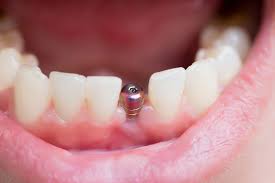
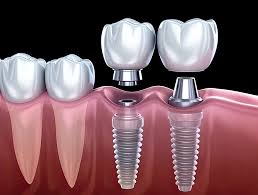
Osseointegration refers to the structural and functional connection between the surface of a titanium-based implant and living jawbone. Titanium is one of the rare elements that is biologically compatible with the human body and is not rejected by it. From the moment the implant is placed into the bone, the body begins to act to protect it and integrate it into the tissue.
This process occurs as the living cells that form bone move toward the microscopic surfaces of the titanium screw and weave around it like a network. The connection becomes so strong that over time there is no movement between the implant and the bone; the implant becomes a natural and inseparable part of your jawbone.
💡 Dentocare Clinical Approach: Patience Is the Key to Permanence
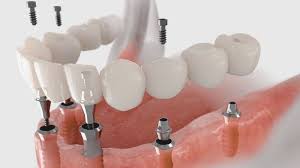
The stronger the foundation of a building, the more secure the floors above it will be. The same applies to dental implants. The bone integration period may vary between the lower and upper jaw. Our experienced physicians monitor this integration speed according to each patient’s bone quality and only place the permanent dental crowns once they are fully certain that 100% integration has been achieved.
What Are the Stages of Bone Integration?
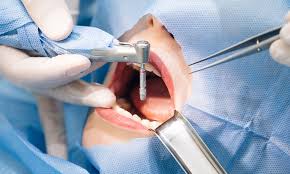
From the day the implant is placed until the day the permanent tooth is attached, a silent but intense biological transformation occurs in the body:
- First Stage: Biological Adaptation: In the first days after surgery, bone cells concentrate in the area. Blood vessels begin to create new pathways toward the implant surface.
- Second Stage: Primary Stabilization: This is the stage where the implant remains stable without movement inside the bone. During this period, the surrounding gum and bone tissue close small gaps.
- Third Stage: Advanced Integration: Bone cells completely fill the pores on the surface of the titanium. At this point, there is no longer a mechanical attachment but a biological unity.
Factors Supporting the Integration Process
The factors that directly affect the speed and success of this biological integration are as follows:
| Factor | Mechanism of Effect |
|---|---|
| Bone Quality | The higher the density of the jawbone, the stronger the integration. |
| Hygiene Level | The lower the bacterial load in the area, the faster the cells heal. |
| Tobacco Use | Constricts blood vessels, reduces oxygen supply to bone, and significantly slows down the process. |
Frequently Asked Questions
Will I remain without teeth during the integration process?
No. As Dentocare Clinic, we provide temporary prosthetics during the healing period to prevent aesthetic and functional loss. This allows you to complete the process comfortably.
What happens if the process fails?
The success rate is extremely high. In rare cases where bone integration does not occur, the implant can easily be removed, the area is rested, and the procedure is successfully repeated with a new plan.