Who is Suitable for Aesthetic Dentistry?
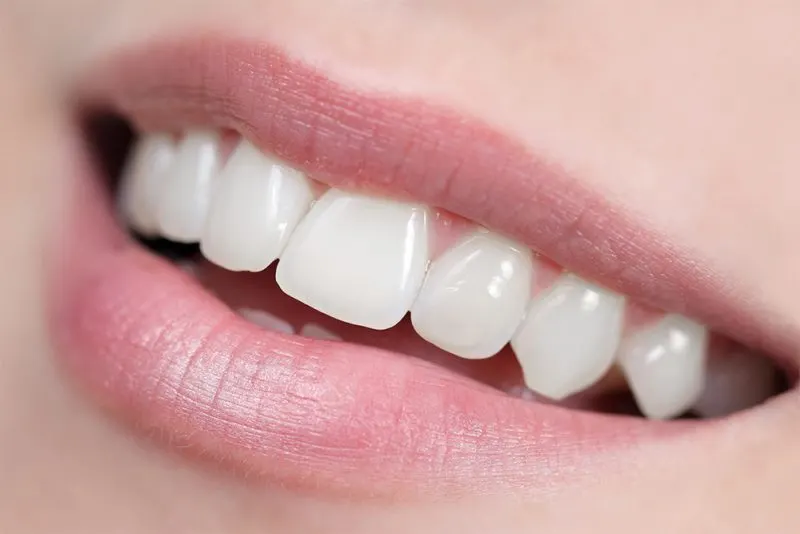
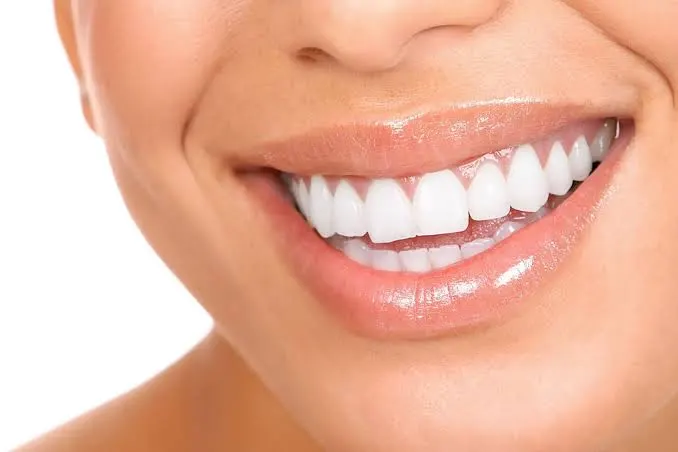
The question of who is suitable for aesthetic dentistry is at the top of the topics wondered by many individuals who are not satisfied with the appearance of their smile and harbor various differences in tooth form, color, or alignment. Smile aesthetics is a comprehensive dentistry discipline that directly supports individuals’ self-confidence in social lives, communication style, and general psychological well-being. Discolorations, abrasions, small fractures, spaced alignments, or crowding that occur in the structure of teeth over time can be addressed with modern approaches offered in this field. Since each individual’s anatomical structure, facial features, and expectations are different from one another, aesthetic dentistry applications are evaluated within the framework of personalized planning. This process not only aims at a visual change, but also aims to balance the chewing, speaking, and bite functions of the teeth.
When the reasons why individuals apply to clinics are examined, complaints about the color of their teeth, form disorders, or asymmetries in the appearance of the gums generally come to the forefront. These approaches, offering health and esthetics together, are designed in a way that protects the natural appearance without damaging the tooth enamel and gum tissue. In the examinations and evaluations carried out within the body of Dentocare Kliniği, individuals’ intraoral health status is analyzed in detail, and which aesthetic procedures may be appropriate are shared in a transparent language. Aesthetic dentistry, handled from an informative perspective, focuses on the general condition of the individual’s tooth and gum health, jaw structure, and expectations rather than an age limit. In this comprehensive guide, the answer to the question of who is suitable for aesthetic dentistry is examined along with application areas, planning processes, and all curious details.
For Individuals with Which Expectations Can Aesthetic Dentistry Be Evaluated?
The question of for individuals with which expectations aesthetic dentistry can be evaluated is an important starting point to understand the goals of people who desire a visually changing smile. Individuals generally experience dissatisfactions arising from the color, dimensions, alignment style of their teeth, or the posture of their gums during smiling when they look in the mirror. These expectations may not be limited only to the desire to have whiter teeth; they also encompass functional and visual demands such as replacing missing teeth, repairing broken or worn tooth edges, and closing gaps between teeth. Aesthetic dentistry aims to create a smile profile that adapts to the person’s facial features, lip structure, and general expression characteristics.
Placing expectations on a realistic foundation is one of the fundamental elements determining the success of the process. While listening to patients’ expectations, Dentocare Kliniği experts also take into consideration the biological boundaries of intraoral tissues. For example, the roadmap to be followed by an individual with excessive substance loss in their teeth and an individual complaining only of mild discolorations will differ. Thanks to preliminary interviews and digital simulations, individuals can see in advance through which methods they can reach the result they want. This transparent approach lays the groundwork for aesthetic dentistry applications to be shaped personally and expectations to be directed correctly.
How Does the Process Proceed for Persons with Tooth Form and Structural Disorders?
The question of how the process proceeds for persons with tooth form and structural disorders acts as a guide for those wondering how anatomically non-ideal tooth shapes are corrected. Structural conditions such as teeth being congenitally small (microdontia), their lengths being disproportionately short, having pits on their surfaces, or enamel developmental disorders are addressed with aesthetic dentistry protocols. In the first step of the process, a comprehensive clinical and radiographic examination is performed to understand whether the structure of the teeth is suitable for these procedures. Depending on the degree of the existing form disorder, porcelain laminates, composite bonding applications, or all-ceramic crowns can be evaluated.
During the planning stage, the ideal tooth form is designed in a computer environment, taking into account the patient’s facial symmetry and lip movements. Prepared with minimal intervention to the tooth tissue, these designs ensure that teeth regain their natural proportions. In such structural arrangements carried out within Dentocare Kliniği, maintaining the tooth’s resistance against chewing forces and being compatible with gum margins are observed with great meticulousness. At the end of the process, the individual possesses both an aesthetically balanced tooth form and a functionally comfortable bite structure.
How Can Those with Discolored or Yellowed Tooth Structures Benefit from This Field?
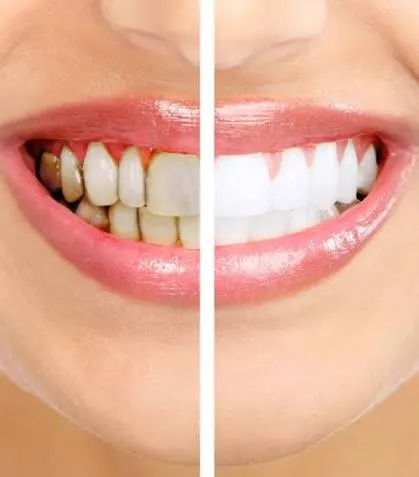
The question of how those with discolored or yellowed tooth structures can benefit from this field clarifies the methods applied by people who want to eliminate discomforts caused by tooth color. Darkenings that occur in tooth color over time can develop depending on genetic factors, aging, tobacco product use, intensive tea, coffee, or red wine consumption, and the use of certain medications. When such discolorations cannot be eliminated with daily tooth-brushing habits, aesthetic dentistry applications come into play. Teeth whitening (bleaching) applications are evaluated in the first place to open the color tone. In-office or at-home whitening protocols provide a brighter appearance by removing pigments on the enamel surface without damaging the tooth enamel.
In deep discolorations where whitening procedures do not respond (for example, in stains due to antibiotic use or teeth darkening after root canal treatment), restorative options such as porcelain laminate or zirconium crowns can be evaluated. These materials allow the desired aesthetic tone to be captured by completely masking the dark color underneath. Dentocare Kliniği physicians determine the most appropriate method for the patient by detecting the source of discoloration. Thanks to these approaches protecting natural tooth tissue, individuals can attain a brighter and more vibrant smile profile.
Which Alternatives Can Individuals with Crowding or Spaced Dental Alignment Evaluate?
The question of which alternatives individuals with crowding or spaced dental alignment can evaluate covers aesthetic and orthodontic solutions used in eliminating irregularities between teeth. Crowding of teeth over one another in the dental arch or the presence of natural gaps (diastemas) between them can both cause aesthetic concerns and make maintaining oral hygiene difficult. In such situations, orthodontic approaches (clear aligners or braces) are evaluated in the first place; because aligning teeth in their own natural positions is the most protective way biologically.
However, when the individual does not prefer a long-term orthodontic process or when minor gaps and mild crowding are in question, porcelain laminates or composite bonding applications within aesthetic dentistry offer a quick alternative. These restorative methods help achieve a neat alignment appearance in a short time by optically regulating the form and position perception of teeth. In analyses made within Dentocare Kliniği, the bite relationship of teeth is examined to clarify which alternative will yield healthy results in the long term.
Solution Methods in Dental Alignment Disorders
| Alignment Problem | Clinical Situation | Evaluated Methods |
|---|---|---|
| Mild Crowding | Teeth being slightly rotated or overlapping. | Clear aligners, porcelain laminates, or composite bonding. |
| Interdental Space (Diastema) | Teeth dimensions remaining small or the dental arch being wide. | Composite laminates, porcelain leaves, or orthodontic closure. |
| Sequential Disorder Due to Jaw Narrowness | Absence of sufficient area for teeth to fit. | Orthodontic expansion appliances and clear aligner treatments. |
Which Approaches Are Applied for Persons with Asymmetry in Gum Levels?
The question of which approaches are applied for persons with asymmetry in gum levels brings pink aesthetics applications examining the aesthetic proportions of gums during smiling to the agenda. Gums appearing more than necessary during smiling (gummy smile), gum levels being higher or lower on one tooth compared to another, or tooth lengths appearing disproportionate due to gum recessions are elements affecting smile aesthetics. Gum aesthetics (gingivectomy or laser-assisted gum shaping) procedures are applied to eliminate such asymmetries.
With the help of laser technologies or micro-surgical instruments, excess gum tissue is arranged millimetrically, and visible tooth lengths are lengthened to achieve a symmetrical proportion. These procedures are fundamental steps ensuring that white aesthetics and pink aesthetics are in harmony. Gum operations carried out within Dentocare Kliniği are planned with modern methods that increase tissue healing speed. Achieving a healthy, pale pink structure that tightly frames the teeth for the gums directly increases the quality of aesthetic results.
Can Adult Individuals Benefit from Aesthetic Dentistry Applications?
The question of whether adult individuals can benefit from aesthetic dentistry applications is frequently asked by those wondering about the effect of the age factor on these processes. Aesthetic dentistry is an area that can be evaluated for adult individuals from every age group whose jawbone development and tooth eruption have been completed. Aesthetic concerns postponed during youth or emerging later due to reasons such as abrasion, fracture, and discoloration can be resolved successfully during adulthood. In fact, adults playing active roles in business life and social relationships frequently apply to these projects in order to express themselves better.
While planning the process in adult individuals, gum health, joint functions, and the condition of previously made fillings or crowns are taken into account alongside the current condition of the teeth. Dentocare Kliniği experts prepare flexible and predictable treatment calendars by keeping adult patients’ time constraints and aesthetic expectations in view. Without an age limit, everyone with healthy tooth and gum tissue has the opportunity to benefit from aesthetic approaches suitable for their own anatomical structure.
How is the Personalized Planning Process Carried Out Within Dentocare Kliniği?
The answer to the question of how the personalized planning process is carried out within Dentocare Kliniği lies in the individualized approach at the center of clinical protocols. Rather than being subjected to a standard protocol, every individual applying to the clinic is subjected to a detailed examination in line with their own facial features, smile dynamics, intraoral health structure, and expectations. In the first appointment, the current condition is recorded with millimetric precision using high-resolution digital intraoral scanners and 3-dimensional imaging systems.
In light of the data obtained, the physician transparently transfers aesthetic alternatives that can be applied to the patient along with their advantages and limitations. Using digital smile design software, how the planned change will adapt to the patient’s face is visualized before physical procedures even begin. The Dentocare Kliniği team draws a roadmap that protects tooth tissue at the maximum level without ignoring preventive dentistry principles. This systematic and transparent planning enables the patient to participate in the process consciously and achieve satisfying results overlapping with their expectations.
Why is Intraoral Health Important Before Aesthetic Applications?
The question of why intraoral health is important before aesthetic applications emphasizes the necessity of building visual arrangements on a solid biological foundation. As important as it is to obtain an aesthetic smile, the health of the tooth and gum tissues underlying that smile is at least as crucial. If there are untreated decays, root tip infections, or active gum diseases (gingivitis or periodontitis) inside the mouth, aesthetic restorations to be made on top will not be long-lasting.
For this reason, before moving on to aesthetic procedures, all decays are cleaned, and gum health is brought to an ideal level with professional cleanings and periodontal treatments when necessary. Dentocare Kliniği physicians adopt a working philosophy centered on biological health. Porcelain laminates, zirconium crowns, or whitening procedures applied over healthy gums and decay-free teeth reveal much more successful and sustainable results.
How Are Digital Technologies Integrated into Aesthetic Planning?
The question of how digital technologies are integrated into aesthetic planning clarifies the comfort and precision offered by computer-aided systems used in modern dentistry. Replacing classical impression-taking methods, digital intraoral scanners allow patients’ 3-dimensional impressions to be taken within seconds without experiencing a gag reflex. These obtained digital data are combined with CAD/CAM systems and digital smile design software to perform the patient’s facial analysis.
Thanks to this integration, the size, color, form, and bite relationship of the teeth are designed millimetrically in a virtual environment. During the production stage, restorations are rapidly obtained from high-quality materials using precise milling devices. Dentocare Kliniği minimizes the margin of error by integrating these advanced technologies into its clinical processes and offers its patients a predictable, comfortable aesthetic experience.
What Are Aesthetic Dentistry Approaches in Different Age Groups?
The question of what aesthetic dentistry approaches are in different age groups examines the effect of oral structure changes in childhood, youth, and adulthood periods on aesthetic planning. Since the jaw and tooth structure are still in the settling stage in individuals during their developmental age, aesthetic approaches generally encompass preventive and orthodontic guiding treatments. In the young adulthood period (20s), teeth whitening, composite bonding, or clear aligner applications are frequently preferred for mild crowding, discolorations, or shape disorders in the teeth.
In advancing age groups, natural abrasions, substance losses, and deformation of old fillings occurring in the teeth come to the forefront; therefore, more comprehensive restorative solutions such as porcelain laminates, all-ceramic, or zirconium crowns come into play. Dentocare Kliniği experts evaluate the biological and aesthetic requirements of each age group separately and determine the approach most appropriate for that period. The aim is to preserve a healthy, natural, and functional smile structure at any age.
How Should Oral and Dental Care Be Maintained After Application?
The question of how oral and dental care should be maintained after application reveals the importance of daily routines ensuring that the made aesthetic investments are long-lasting. After aesthetic procedures are completed, individuals need to care for these new restorations just like their own teeth. Brushing should be done at least twice a day with a soft-bristled toothbrush and appropriate toothpaste, and bacterial accumulation between teeth should be prevented by using dental floss or interdental brushes.
In addition, not interrupting regular clinical controls (every six months) carries great importance in terms of checking gum health and restoration margins. Dentocare Kliniği physicians offer patients a personalized care guide after the procedure and explain what needs to be done at home in detail. A conscious oral care routine helps aesthetic dentistry applications maintain their first-day form and brightness for many years.
How Are Social Life and Speech Comfort Affected by the Aesthetic Process?
The question of how social life and speech comfort are affected by the aesthetic process explains temporary situations encountered by individuals wondering about the adaptation phase to new tooth forms. When aesthetic restorations (especially laminates or crowns made to the anterior region) are placed inside the mouth, the contact of the tongue with the teeth and the position of the lips can be felt a little differently in the first days. This situation is part of the process of the brain and muscles getting used to their new form and usually disappears spontaneously within a few days.
It is ordinary to experience temporary differences in the pronunciation of certain sounds (especially like ‘f’, ‘v’, ‘s’) during speech; short-term reading practices speed up this adaptation. From the perspective of social life, individuals obtain the opportunity to establish a much more confident communication by leaving behind the hesitations they experience while smiling thanks to aesthetic arrangements in their teeth. Rehearsals carried out within the body of Dentocare Kliniği are specially designed to minimize this adaptation period.
In Which Situations Can Aesthetic Dentistry Procedures Be Planned at an Early Stage?
The question of in which situations aesthetic dentistry procedures can be planned at an early stage handles clinical pictures where aesthetic interventions need to be made without delay. For example, traumatic fractures occurring in the teeth in the anterior region can suddenly affect an individual’s social and psychological life negatively. In such sudden situations, aesthetic composite bonding or fast porcelain restorations can be planned at an early stage to rapidly replace both the aesthetics and function of the tooth.
Similarly, in individuals experiencing excessive abrasions and height shortenings on incisal edges due to a teeth-clenching habit, early-period aesthetic and protective planning is recommended to preserve the lower jaw joint and vertical dimension. Dentocare Kliniği experts determine the most accurate timing by evaluating the patient’s existing complaints and urgency status. Interventions made on time help prevent larger tissue losses that may occur in the future.
Which Basic Methods Are Evaluated Within the Scope of Aesthetic Dentistry?
The question of which basic methods are evaluated within the scope of aesthetic dentistry provides a general summary of aesthetic procedures frequently applied in contemporary dentistry. These methods can be applied alone according to the patient’s need, or they can be planned in combination. The table below includes basic approaches frequently preferred in aesthetic dentistry and their application purposes.
| Method Name | Application Purpose | Preferred Situations |
|---|---|---|
| Teeth Whitening (Bleaching) | Lightening discolorations and yellowing on the enamel. | Tooth yellowing due to hereditary or external factors. |
| Porcelain Laminates (Leaf Porcelain) | Renewing the form and color of front teeth with minimal abrasion. | Spaced teeth, mild crowding, permanent discolorations. |
| Zirconium Crowns | Covering weakened or broken teeth aesthetically and durably. | Extensive substance loss, posterior tooth restorations, root canal treated teeth. |
| Clear Aligner Treatments | Moving teeth to their ideal positions without wires. | Crowding, bite disorders, aesthetic orthodontics expectation. |
| Gum Aesthetics (Pink Aesthetics) | Regulating gum levels and symmetry. | Gummy smile (excessive display of gums), asymmetric gum lines. |
Frequently Asked Questions
1. Who is suitable for aesthetic dentistry applications?
Aesthetic dentistry applications can be evaluated for adult individuals who are not satisfied with the color tone, form, alignment, or gum appearance of their teeth, and whose oral and dental health is in place.
2. Which criteria are taken into consideration while designing a smile?
A personalized smile design is planned by analyzing the person’s facial features, lip structure, gender, age, gum levels, and tooth proportions.
3. Does the teeth whitening procedure damage my tooth enamel?
Teeth whitening gels applied under physician control and with appropriate clinical protocols are formulated to lighten tooth color without damaging the enamel tissue.
4. Can porcelain laminates be applied to every tooth structure?
Porcelain laminates can be successfully applied in suitable cases that have sufficient enamel tissue, do not have an excessive teeth-clenching habit, and do not have severe bite disorders.
5. Do zirconium crowns reflect dark colors at the gum edge?
Since zirconium offers a biocompatible and white infrastructure, it does not cause grayishness or color reflections at the gum edge seen in metal-supported porcelains.
6. Are gum aesthetics operations a painful process?
No discomfort is felt during the application in gum shaping procedures performed under local anesthesia; a mild recovery period may be experienced afterwards.
7. Do clear aligners serve the same function as wire treatment?
Clear aligners can be successfully used in correcting many mild and moderate crowding and bite disorders; however, orthodontic wires can be preferred in advanced cases.
8. Do teeth yellow again after aesthetic dentistry procedures?
Porcelain laminate and zirconium crowns are resistant to stains and do not yellow thanks to their smooth surfaces; however, color changes depending on dietary habits can be seen in natural teeth over time.
9. How does the initial examination process work within Dentocare Kliniği?
A detailed examination of individuals applying to our clinic is performed accompanied by digital scanners, and a transparent, personalized treatment plan is created in line with their expectations.
10. What is the fundamental difference between composite bonding and porcelain laminate?
While composite bonding is a resin-based method applied directly in the clinic, porcelain laminate is an aesthetic leaf crown produced from ceramic blocks in a laboratory environment and is long-lasting.
11. Does an intense teeth-clenching habit affect aesthetic restorations?
Intense teeth-clenching habit can create excessive pressure on porcelain restorations; therefore, using protective night guards carries great importance in terms of protecting the restorations.
12. Is it mandatory for my teeth to be cut during the smile design process?
It varies depending on the method to be applied; for example, while a small amount of enamel abrasion is made in porcelain laminates, tooth tissue is not touched in some whitening or gum aesthetics procedures.
13. Are all-ceramic crowns preferred in posterior molars?
Although all-ceramic crowns offer high aesthetics, zirconium crowns are generally preferred more widely in posterior teeth due to the intensity of chewing forces in the back region.
14. How long do clear aligner treatment durations take?
Depending on the complexity of the case and the amount of movement in the teeth, clear aligner treatment durations can vary from a few months to a year.
15. Can aesthetic fillings be distinguished from natural teeth when looked at from the outside?
Thanks to advanced color scales and layering techniques, aesthetic composite fillings can be made compatible with natural tooth tissue so that they cannot be noticed from the outside.