What is Aesthetic Dentistry? Which Applications Does It Cover?
Aesthetic dentistry is an interdisciplinary branch of dentistry aimed at improving the appearance of individuals’ teeth and gums, supporting smile symmetry, and protecting oral health. Smile aesthetics, which directly affects social relationships, self-confidence, and individual expression in daily life, is handled in a wide range from the color to the form of the teeth, from bite disorders to gum levels. Discolorations, abrasions, fractures, or structural defects occurring in the teeth can be restored with personalized approaches thanks to modern dentistry technologies and materials. This process not only offers a visual change but also contributes to the teeth performing their chewing and speaking functions in a more balanced manner.
Its application areas are quite diverse and planned in accordance with each individual’s anatomical structure. Digital systems developed in dentistry make it easier for patients to reach aesthetic solutions that adapt to their own facial features. Handled with an informative approach, this field analyzes individuals’ intraoral requirements in a scientific direction and proceeds without ignoring preventive dentistry principles. In the evaluations carried out within the body of Dentocare Kliniği, both structural and visual expectations of patients are meticulously examined, and appropriate roadmaps are drawn. In this comprehensive guide, the scope of aesthetic dentistry, its main applications, and all curious details are discussed in a transparent language.
Which Problems Does Aesthetic Dentistry Target?
Aesthetic dentistry targets various visual and structural problems arising from the color, alignment, and form of the gum tissue of the teeth. Yellowing that occurs on teeth over time, staining due to tea or coffee consumption, enamel cracks, crowding, spaces between teeth, and asymmetric gum levels are among the subjects of examination in this field. While treatment planning is carried out, variables such as the individual’s facial features, lip structure, age factor, and gender are taken into consideration. The aim is not to create an artificial appearance, but to achieve a mouth structure that reveals the person’s natural beauty and is trouble-free from a functional point of view. The closure relationship of the teeth with each other and the health of the jaw joint are also carefully examined in this process, because mechanical balance must be preserved for an aesthetic smile to be permanent.
The reasons why individuals apply to clinics usually stem from dissatisfaction with their smiles. However, aesthetic dentistry does not only improve outward appearance; it also supports preventing decays or gum problems that may occur in areas that cannot be cleaned due to crowding. Dentocare Kliniği experts conduct a comprehensive examination by listening to the patients’ existing complaints and offer personalized solutions. Digital scanners and high-resolution imaging systems used in this process make it possible to clearly detect the source of the problems.
Aesthetic Problems and Solution Approaches
| Observed Problem | Formation Cause | Applied Approach |
|---|---|---|
| Tooth Discolorations | Hereditary factors, aging, tobacco products, intensive tea and coffee consumption. | In-office or at-home teeth whitening (bleaching) applications. |
| Spaces Between Teeth | Genetic factors, small tooth sizes, or jaw narrowness. | Composite bonding, porcelain laminate, or orthodontic arrangements. |
| Crowding and Rotations | Space deficiency in the dental arch, incorrect eruption angles of teeth. | Clear aligners, orthodontic wires, or laminate veneers in suitable cases. |
| Broken and Worn Teeth | Traumas, teeth-clenching habits, or age-related natural abrasions. | Zirconium crowns, all-ceramic restorations, or porcelain laminates. |
How is the Smile Design Process Planned?
The smile design process covers the stages of creating a personalized aesthetic plan by taking into account the individual’s facial features, lip structure, gum levels, and tooth forms. In the first step, the physician listens to the patient’s expectations and performs an intraoral examination. Thanks to digital dentistry technologies, the patient’s facial photographs and intraoral scan data are transferred to the computer environment. Three-dimensional smile simulations are prepared using special software over these data. Proportion rules and the individual’s personal characteristic features are observed during the design stage. Intraoral rehearsals are made with temporary materials to see whether the planned form suits the patient’s face. Thus, the patient finds the opportunity to experience the final version of their smile before the actual procedures begin.
Another important dimension of the planning stage is gum health. If the gum levels are not symmetrical or appear too much during smiling, gum arrangements are planned before aesthetic procedures. In the smile design studies carried out within Dentocare Kliniği, both visual harmony and biological health are kept in balance. A session schedule is created by taking into consideration the individual’s daily habits, professional requirements, and time constraints. Thus, a predictable, transparent, and comfortable process is achieved for both the physician and the patient.
By Which Methods is the Teeth Whitening Procedure Performed?
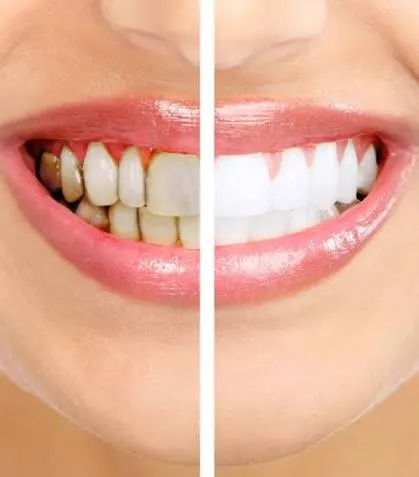
The teeth whitening procedure is one of the popular procedures of aesthetic dentistry applied to eliminate discolorations that occur over time in the enamel and dentin layers of the teeth. This procedure is basically performed with two different methods: in-office whitening applied under physician control in a clinical environment, and at-home whitening that the patient can apply themselves at home. In-office whitening is suitable for individuals who want to get results in a short time; after the gums are protected in the clinic, special whitening gels are applied, and tone lightening is achieved by providing the activation of the gel with light sources. In at-home whitening, gels are placed inside personalized trays prepared according to the patient’s measurements, and usage is provided for certain periods.
The success and permanence of whitening procedures are directly dependent on the person’s dietary habits and oral care routine. In the first few days after the procedure, it is recommended to stay away from tobacco products, intensive tea, coffee, and staining foods such as red wine. Dentocare Kliniği experts determine the appropriate method by checking whether there are decays or gum problems on the teeth before whitening. In individuals with a healthy enamel structure, when correct protocols are followed, a significant opening can be achieved in the natural tones of the teeth, and a brighter smile profile can be captured.
What Are Porcelain and Composite Laminate Applications?
Porcelain and composite laminate applications are minimally invasive aesthetic restorations aiming to eliminate shape, color, and size disorders by intervening only on the front surfaces of the teeth. Porcelain laminates are produced individually from glass-ceramic materials with high durability in a laboratory environment and integrated onto the front surface of the tooth with special adhesives. Since they have high light transmittance, they mimic the optical properties of natural tooth enamel and are resistant to staining. Composite laminates, on the other hand, are a method where the dentist applies resin-based filling materials layer by layer directly to the tooth surface in a clinical environment and shapes them; while offering an advantage in terms of cost and time, they require regular polish maintenance.
These applications are frequently preferred in closing spaces between teeth, correcting mild crowding, and renewing the form of worn teeth. Since they are applied by making very little abrasion from the tooth tissue, they are compatible with preventive dentistry principles. In laminate planning made within Dentocare Kliniği, the patient’s biting forces and general tooth structure are examined in detail. In suitable cases, both porcelain and composite alternatives are evaluated transparently in line with the patient’s expectations.
In Which Cases Are Zirconium and All-Ceramic Crowns Preferred?
Zirconium and all-ceramic crowns are aesthetic and durable crown restorations preferred in restoring broken or weakened teeth experiencing extensive substance loss. Zirconium is a white-colored, solid infrastructure material and stands out especially in posterior molars with its high resistance against chewing forces. Unlike metal-supported porcelains, it does not create dark reflections at the gum line and offers a natural appearance thanks to its light transmittance. All-ceramic crowns, on the other hand, provide superior aesthetic performance in the anterior region with their metal-free structure; they allow achieving a transparent and deep appearance by refracting light like a natural tooth.
These crowns can be easily evaluated in protecting fragile teeth that have undergone root canal treatment, strengthening weakened tooth structures due to large fillings, and in regions where aesthetic expectations are high. Dentocare Kliniği physicians determine the most appropriate choice between zirconium or all-ceramic options by examining the patient’s chewing habits and aesthetic priorities. Correct material selection supports the restoration to be used with long-lasting comfort.
What Are Gum Aesthetics (Pink Aesthetics) Applications?
Gum aesthetics covers gum operations aiming to improve the symmetry, level, and color of the soft tissues surrounding the teeth. The fact that gums appear more than necessary during smiling, asymmetric gum levels, or disproportionate appearance of tooth lengths due to gum recessions constitute the subject of pink aesthetics applications. With the help of laser technologies or surgical micro-instruments, gum lengths can be shortened or lengthened in a symmetrical manner. These procedures move the overall aesthetics of the smile upward by balancing the size proportions of the teeth.
Gum aesthetics usually constitutes the first stage of the smile design process; because when white aesthetics and pink aesthetics are not compatible with each other, an ideal smile cannot be achieved. Gum operations carried out within Dentocare Kliniği are planned with modern methods that increase tissue healing speed. After the procedure, it is aimed for the gums to achieve a healthy structure that is pale pink and tightly surrounds the teeth.
For What Purpose Are Orthodontic Solutions and Clear Aligners Used?
Orthodontic solutions and clear aligners are aesthetic dentistry applications aiming to show a proper alignment of teeth in the dental arch and eliminate bite disorders. In situations where traditional metal wires cause aesthetic anxiety, clear aligners produced with computer-aided technologies come into play. Clear aligners are invisible, personalized, and easily removable appliances produced externally. By gradually moving teeth to their ideal positions, they both correct crowding and contribute to balancing chewing functions.
This method allows especially adult individuals to go through an aesthetic orthodontic process without interrupting their social lives. Being able to be removed while eating makes it easier to maintain the tooth-brushing routine and protect oral hygiene. Dentocare Kliniği experts make detailed 3-dimensional scans before clear aligner treatment and show the stages of the process to the patient in a digital environment in advance. Thus, patients step into the process with the comfort of seeing the treatment result in advance.
How Are Aesthetic Approaches Carried Out Within Dentocare Kliniği?
Aesthetic approaches within Dentocare Kliniği are carried out within the framework of a comprehensive clinical protocol where scientific data, advanced technology, and individual expectations are blended. Every individual applying to the clinic is handled as a whole not only with their existing complaints but also with their general oral health, bite physiology, and aesthetic goals. In the first examination, a detailed analysis is made using high-resolution digital scanners, 3-dimensional imaging devices, and intraoral cameras. In light of the data obtained, alternative treatment options specific to the patient are explained in a transparent language; which method will provide which advantages is explained in detail.
The working philosophy of the clinic is to obtain maximum aesthetics and function without compromising preventive dentistry principles. High-quality materials are preferred at every step from laboratory stages to clinical applications. The Dentocare Kliniği team aims to offer a comfortable environment to its patients in the light of regular training and current technological developments. Informing the patient and taking joint decisions at every stage of the process are among the main elements increasing the satisfaction rate.
What Should Be Considered Before and After Aesthetic Applications?
The points that need to be considered before and after aesthetic applications are important details directly affecting the success of the treatment and the permanence of the obtained results. Before the procedure, the patient’s existing gum inflammations, if any, need to be treated, decays cleaned, and oral hygiene brought to an ideal level. After the application, adhering to the brushing techniques recommended by the physician and regularly using interproximal cleaning tools such as dental floss or interdental brushes are required. Especially individuals who have had porcelain laminate or crowns applied should avoid biting hard foods with front teeth, and use night guards recommended by the physician if there is a teeth-clenching habit, which extends the lifespan of the restorations.
In addition, not interrupting regular clinical controls ensures the early detection of possible micro-leakages or gum problems. Dentocare Kliniği physicians offer a detailed care guide to patients after the procedure and transfer what needs to be done at home step by step. A conscious oral care routine makes a great contribution to aesthetic investments maintaining their first-day form for many years.
Frequently Asked Questions
1. Who is suitable for aesthetic dentistry applications?
Aesthetic dentistry applications can be evaluated for adult individuals who are not satisfied with the color, form, alignment, or gum appearance of their teeth, and whose tooth and gum health is in place.
2. How is smile design prepared specifically for the individual?
By analyzing the person’s facial features, lip structure, gender, and age factor, a planning is made specifically along with digital smile design software and intraoral scan data.
3. Does the teeth whitening procedure damage tooth enamel?
Teeth whitening gels applied under physician control and with appropriate clinical protocols are specially formulated to lighten the tooth tone without damaging the enamel tissue.
4. How long are porcelain laminates durable?
Porcelain laminates produced from quality ceramic materials and applied with correct adhesive techniques can be used smoothly for many years as long as regular oral care and physician controls are provided.
5. Do zirconium crowns change gum color?
Since zirconium offers a biocompatible and white infrastructure, it does not cause grayishness or color reflections at the gum edge seen in metal-supported porcelains.
6. Does the gum aesthetics operation cause discomfort?
No discomfort is felt during the application in gum shaping procedures performed under local anesthesia; a mild recovery period may be experienced afterwards.
7. Can clear aligners replace braces?
Clear aligners can be used successfully in the treatment of many mild and moderate crowding and bite disorders; however, orthodontic wires can be preferred in very advanced skeletal cases.
8. Do teeth yellow after aesthetic dentistry procedures?
Porcelain laminate and zirconium crowns are resistant to stains and do not yellow thanks to their smooth surfaces; however, color changes depending on dietary habits can be seen in natural teeth over time.
9. How does the appointment and planning process work at Dentocare Kliniği?
A detailed examination is made by taking digital measurements of individuals applying to our clinic, and a transparent, personalized treatment schedule is created in line with their expectations.
10. What is the difference between composite bonding and porcelain laminate?
While composite bonding is applied directly in a single session in the clinic, porcelain laminate is an aesthetic leaf crown produced from ceramic blocks in a laboratory environment and is long-lasting.
11. Does teeth-clenching habit affect aesthetic restorations?
Intense teeth-clenching habit can create excessive pressure on porcelain restorations; therefore, using protective night guards is of great importance.
12. Will my teeth be cut during smile design?
It varies depending on the method to be applied; for example, very little enamel abrasion is made in porcelain laminates, while tooth tissue is not touched in some whitening or gum aesthetics procedures.
13. Can all-ceramic crowns be applied to back teeth?
Although all-ceramic crowns offer high aesthetics, zirconium crowns are generally preferred more widely in posterior molars due to the intensity of chewing forces in the back region.
14. How long does clear aligner treatment take?
Depending on the complexity of the case and the amount of movement in the teeth, clear aligner treatment durations can vary from a few months to a year.
15. Can aesthetic fillings be distinguished from natural teeth?
Thanks to advanced color scales and layering techniques, aesthetic composite fillings can be made compatible with natural tooth tissue so that they cannot be noticed from the outside.