Does Implant Healing Time Differ Between the Upper and Lower Jaws?
The reason for this difference is neither the implant brand used by the dentist nor the patient’s luck. The main determining factor is the remarkable yet varied bone structures of human anatomy. Although our upper and lower jaws appear to work in harmony, their bone densities have entirely different characteristics. At Dentocare in Kahramanmaraş, we have prepared this clear, straightforward explanation to address your understandable questions about why healing times differ between the upper and lower jaws, how the process works, and which factors affect its duration.
Anatomical Facts: Why Are Our Jawbones Different?
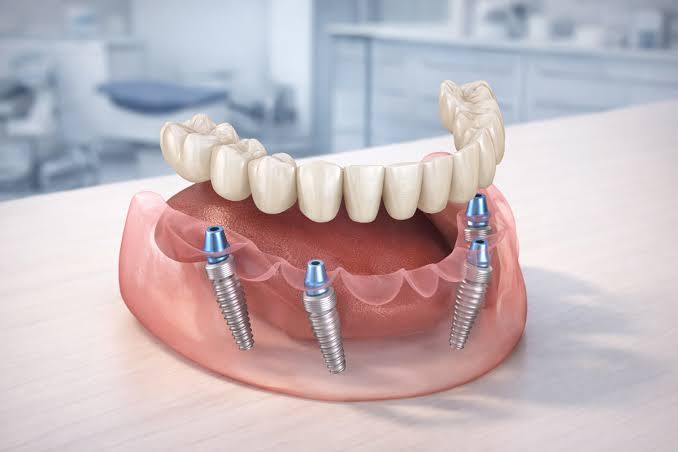
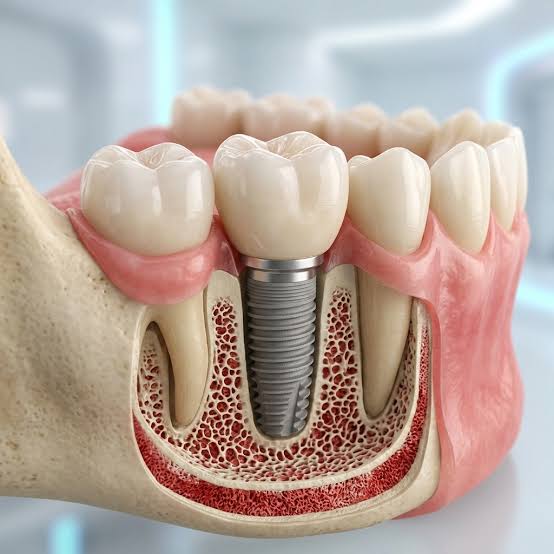
An implant is an artificial tooth root made of titanium. After it is placed in the jawbone, bone cells must grow firmly around the screw and biologically integrate with it before the permanent tooth can be fitted. This process of fusion with the bone, medically known as “osseointegration,” depends directly on bone quality and density.
Imagine a construction project: the time it takes for concrete to harden and support structural posts varies depending on the density of the material used. Our jawbones work similarly. The lower jawbone, or mandible, is much harder than the upper jaw and has a thick cortical layer, almost like solid rock. The upper jawbone, or maxilla, contains the sinus cavities and has a more porous, flexible, and spongy structure. This fundamental anatomical difference directly determines how quickly implants heal.
How Does the Process Work for Lower Jaw (Mandibular) Implants?
If you have missing teeth in your lower jaw, you are in a biologically favorable position. Because the lower jaw resists gravity and provides extensive attachment for the chewing muscles, it has evolved to have a harder, more durable structure.
Thanks to this hard structure, an implant placed in the lower jaw at our Dentocare clinic in Kahramanmaraş achieves a very firm hold, known as primary stability, from the moment it is inserted into the bone. The gaps between the implant and the bone are minimal. This density allows bone cells to grow around the titanium screw more quickly. In a standard case requiring no additional surgery, such as bone grafting, lower jaw implants are expected to heal fully and be ready for the permanent tooth within 2 to a maximum of 3 months.
Why Does the Process Take Longer for Upper Jaw (Maxillary) Implants?
The upper jawbone forms part of our skull and contains large air-filled spaces, known as sinuses, which reduce weight and contribute to voice resonance. Its bone structure is therefore much thinner, more vascular, and more spongy or porous than that of the lower jaw.
An implant placed in the upper jaw biologically requires a little more time to become firmly anchored within this porous structure as bone cells fill the spaces and grow around the screw. In a standard upper jaw implant procedure, patiently waiting 3 to 4 months for the screw to integrate fully with the bone is a medical necessity. If this waiting period is rushed, chewing forces applied to the implant may disrupt bone integration and cause implant loss.
Comparison Table: Lower and Upper Jaw Implant Treatment
The comparison table below will help you see more clearly how bone structure affects the treatment process:
| Features | Lower Jaw (Mandible) | Upper Jaw (Maxilla) |
|---|---|---|
| Bone Density and Structure | Has a harder, thicker, and very dense cortical outer structure. | Has a thinner, more spongy and porous structure with more internal spaces. |
| Initial Anchorage (Primary Stability) | The implant engages very firmly with the bone immediately upon placement. | Initial anchorage is less rigid because of the porous structure. |
| Standard Healing and Integration Time | 2–3 months | 3–4 months |
| Likelihood of Advanced Surgery (Sinus Lift) | This procedure is unnecessary because there are no sinus cavities. | The likelihood is high because downward sinus expansion is common in the back regions. |
What Other Important Factors Can Extend Healing Time?
The treatment timeline depends not only on whether the implant is placed in the upper or lower jaw but also on each patient’s individual oral condition. Additional treatment needs and factors that can extend healing beyond the standard timeframe, sometimes up to six months, include:
- Bone Grafting Procedures: If prolonged tooth loss has caused the jawbone to shrink or become thinner, artificial bone graft material is added to the area before or during implant placement. Converting this material into the body’s own bone is an additional biological process that adds another 1.5–2 months to the timeline.
- Sinus Lift (Sinus Augmentation): In patients who have lost their upper back teeth, the sinus cavities expand downward over time, reducing bone height. To prevent the implant from entering the cavity, the sinus membrane is lifted, and the space beneath it is filled with bone graft material. In these open sinus lift procedures, the healing period invariably reaches six months.
- General Health and Habits: Uncontrolled diabetes delays wound healing because it affects blood circulation. Similarly, heavy smoking reduces the oxygen reaching the tissues, significantly slowing the rate at which bone cells grow around the implant.
Dentocare Kahramanmaraş: Supporting You Throughout the Process
Although healing may seem like a period of simply waiting, it is actually the most critical stage, during which your body performs a remarkable construction process behind the scenes. At our Dentocare clinic in Kahramanmaraş, we leave no stage of your treatment to chance. From the moment you sit in our dental chair, we digitally analyze your bone density, thickness, and anatomical characteristics using our clinic’s 3D cone beam computed tomography (CBCT) systems.
We develop the most suitable treatment timeline for your bone density and clearly explain how long you will need to wait at the very beginning of the procedure. Furthermore, throughout this two- to four-month waiting period, we never leave you without teeth or compromise your appearance. In suitable cases, immediately fitted temporary teeth allow you to continue your daily life with confidence. At the end of the process, we restore your smile with highly aesthetic porcelain or zirconia crowns that you can confidently enjoy for years.
Frequently Asked Questions (FAQ)
Can implants be placed in both jaws at the same time, even though their healing times differ?
Absolutely. If you have missing teeth in both your upper and lower jaws, implants can be placed in both jaws during a single surgical appointment. In this case, while your lower jaw implants heal in two months, the upper jaw implants are given a little more time. The prosthetic stage then begins at a shared point in time, once all the implants have fully healed.
Will there be pain or swelling while I wait for the implants to integrate with the bone?
The healing or waiting period is completely painless and uneventful. Mild swelling and soreness may occur only during the first two to three days after implant placement surgery. During the months of waiting that follow, you will not even feel that there is an implant in your mouth.
Is there anything I can do to speed up healing?
Bone integration progresses at its own biological pace, but meticulous oral hygiene is essential to support the process. Keeping smoking to a minimum, ideally quitting altogether, avoiding pressure on the treated area from hard foods, and attending all follow-up appointments scheduled by your dentist help ensure that the process is completed smoothly.
Conclusion: A Perfect Smile Is the Reward for Allowing Proper Healing
In implant treatment, doing things correctly matters more than doing them quickly. Understanding that your upper and lower jaws have different anatomical needs and respecting the body’s natural pace of biological repair are the keys to strong teeth that will serve you for a lifetime. Whether it is the harder lower jaw or the more delicate upper jaw, success is inevitable when a treatment plan is tailored to the unique characteristics of each region. As the Dentocare family in Kahramanmaraş, our team of specialist dentists is here to support you through this natural process as safely, painlessly, and aesthetically as possible. We look forward to welcoming you to our clinic to plan your journey toward the day you regain your healthy smile.