A zygomatic implant is a long implant that anchors in the cheekbone (zygoma) to support teeth when there is not enough bone in the upper jaw. It is usually considered for people with advanced bone loss in the upper jaw, for whom a standard implant is not possible even with a bone graft, or whose previous implants did not hold. Whether you are suitable is decided by the dentist after a CT scan and an examination.
Who is it preferred for?
A zygoma implant becomes an option in upper jaws where there is not enough bone for standard implants. Typical situations are:
- Advanced bone loss in the upper jaw after a long period without teeth
- The sinus dropping toward the jawbone and reducing the remaining bone height
- Cases where a bone graft cannot be done or is not preferred
- People whose previous implants did not hold and whose bone loss has increased
Not every bone deficiency requires a zygoma implant; graft and standard implant options are evaluated first. We explained why the jawbone matters so much for implants in our article on the jawbone and implants.
How it differs from a standard implant
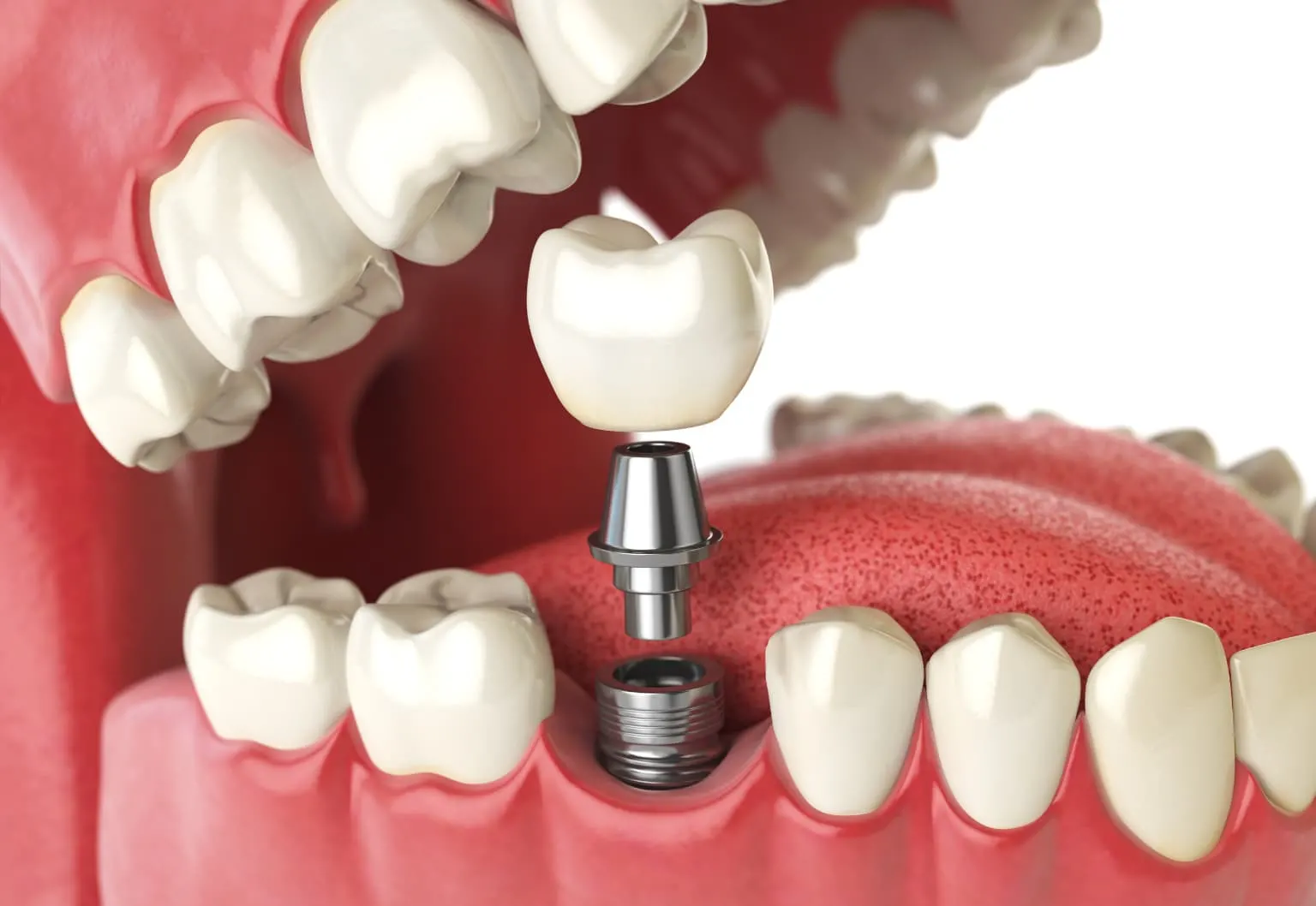
A standard implant is placed inside the jawbone and fuses with the bone, working like a tooth root. A zygomatic implant is much longer; it passes through the weak bone area of the upper jaw and extends to the cheekbone, where it anchors. Because the cheekbone is dense, support comes from this stronger area instead of the weak upper jaw bone.
In some cases this approach can remove the need for a bone graft. In return, the surgery calls for more specialised planning and experience. Zygoma implants are usually not used alone but together with a few implants that carry the prosthesis; to understand the logic of full-arch prostheses, you can read the article on the difference between All-on-4 and All-on-6.
How does the procedure go?
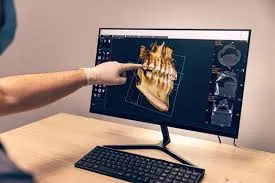
The process begins with an intraoral examination and a three-dimensional CT scan. The dentist examines the thickness of the cheekbone, the sinus structure and the remaining jawbone, and plans the path of the implants. Depending on the type of procedure, it can be planned with options such as local anesthesia or sedation; the dentist decides which is suitable.
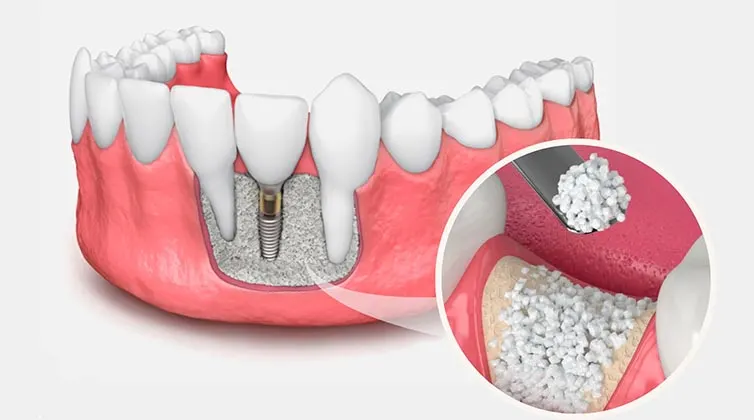
In surgery, the implants are placed from beneath the gum at the planned angle. In most plans the other implants are added in the same session, and the prosthesis is fitted temporarily while the bone fuses or after fusion is complete. If bone augmentation is needed, you can find how it is done on our page about applying bone powder to the tooth area.
Recovery
In the first days there may be swelling, mild pain, bruising and a feeling of fullness around the nose or cheek. Taking the medication your dentist recommends, applying cold compresses, not blowing your nose forcefully and avoiding hard foods make recovery easier. Fusion of the implant with the cheekbone can take months, and check-ups are important during this time. This is why full chewing load should not be placed on the prosthesis before fusion is complete.
Possible risks and complications
As with every surgical procedure, zygoma implants carry risks. Sinus infection, opening of the wound area, infection and failure of the implant to fuse are the main ones. Smoking, uncontrolled diabetes and inadequate oral hygiene increase the risk. For symptoms and precautions, you can also read the general article on implant risks and possible complications. If you notice fever, increasing swelling, a bad smell or discharge from the nose, contact the clinic without waiting.
How to discuss the factors that affect the cost with your dentist
Because a zygomatic implant plan is individual, the factors that affect the cost need to be discussed together at the examination. How many implants are recommended, whether imaging such as a CT scan is needed, the type of prosthesis and any additional procedures vary with the plan. It is enough to ask the dentist, “Which items are included in the plan, and which could be added later?” To find out which option suits you, you can request an examination appointment through our contact page.