How Does Teeth Grinding Affect Daily Life? Your Body’s Silent Cry of Stress
Waking up tired in the morning, experiencing unexplained headaches, or feeling tension in your jaw during the day? Discover how teeth grinding—one of the most common problems of the modern age—takes over your life through the vision of Dentocare Clinic.
The Hidden Face of Teeth Grinding in Daily Life
Many people consult a neurologist when they have a headache and an orthopedist when they have neck pain. However, the source of the problem is often inside the mouth. Under normal conditions, the force our teeth apply to each other while eating is limited to a very short duration. However, when teeth are clenched during sleep or moments of stress during the day, the jaw muscles remain locked for hours with many times the normal force. The reflections of this tremendous force on your daily life are as follows:
- Chronic Morning Fatigue: Muscles need to rest during sleep. However, when you clench your teeth, your jaw muscles work all night as if lifting weights. Instead of waking up rested, you feel intense fatigue in your face, temples, and neck.
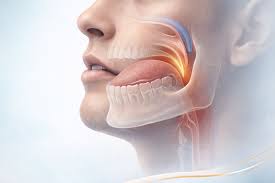
- Persistent Head and Neck Pain: Jaw muscles (masseter and temporal muscles) are directly connected to the head and neck region. Excessive contraction causes temple headaches radiating to the sides of the head and stubborn neck stiffness spreading from the nape to the back.
- Lack of Concentration and Irritability: Constant mild or moderate pain makes it difficult to focus on your work or school during the day. Lower pain tolerance leads to increased irritability and stress.
- Difficulty in Eating and Chewing: As a result of temporomandibular joint (TMJ) strain, clicking sounds from the jaw during yawning or biting into hard foods, jaw locking, or pain can turn your daily eating routine into a nightmare.
💡 Dentocare Clinic Findings: Silent Destruction
Teeth grinding progresses so insidiously that patients usually come to us when cracks, fractures, or sensitivity in their teeth reach unbearable levels. This process, which starts with microscopic enamel wear, eventually leads to shortening of tooth length and complete deterioration of smile aesthetics. Early diagnosis is the only way to stop this destructive mechanism.
Comparison Table of Problems and Their Effects on Daily Life
You can clearly see how this unconscious habit affects different areas of your life through the analysis table below:
| Observed Symptom | Physical Effect | Impact on Daily Life |
|---|---|---|
| Tooth Enamel Wear | The protective layer of the tooth thins, exposing underlying nerves. | Severe sensitivity when consuming hot tea, cold water, or sweets; loss of enjoyment in eating and drinking. |
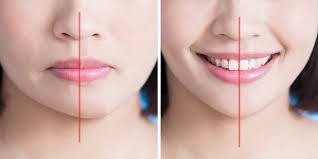
| Masseter Muscle Enlargement | The chewing muscle at the jaw corner undergoes hypertrophy (enlargement). | Widening of facial features, development of a square and harsh facial expression; aesthetic concerns. |
| Temporomandibular Joint (TMJ) Damage | The joint disc wears down and becomes displaced. | Restriction when speaking, laughing, or singing, and uncomfortable joint sounds. |
| Sleep Disruptions | Excessive muscle activity keeps the brain in a constant alert state. | Inability to enter deep (REM) sleep, daytime sleepiness, and low energy levels. |
How Does Teeth Grinding Treatment Work at Dentocare Clinic?
Teeth grinding is a multifactorial problem with psychological and physiological causes. Therefore, its treatment must also be personalized and multidimensional. At Dentocare Clinic, our experienced physicians professionally apply the following steps to restore your quality of life:
-
Custom Night Guard Application
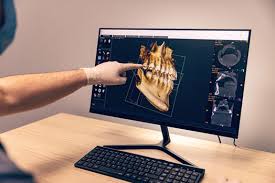
Impressions or digital scans of your mouth are taken to prepare completely custom-made, transparent, and comfortable night guards. These guards, worn while sleeping, prevent teeth from grinding against each other and absorb excessive pressure on the jaw joint like a cushion. They help you wake up with a much more relaxed jaw.
-
Masseter Botox (Jaw Botox)
If teeth grinding is very severe and the muscles are excessively developed, botulinum toxin is injected into the masseter muscles on the sides of the jaw using very fine needles. This procedure does not impair chewing function but reduces the uncontrolled clenching force. It is quick and also provides an aesthetic benefit by softening the square, hardened facial appearance.
-
Restoration of Damaged Teeth
If tooth length has shortened, enamel has cracked, or teeth have broken due to long-term bruxism, aesthetic and functional restorations are applied. Methods such as composite fillings, porcelain veneers, or zirconium crowns restore the original form, vertical dimension, and proper bite balance of your teeth.
-
Holistic Awareness and Stress Management
For treatment success, managing stress factors that are the root cause of the problem is as important as physical interventions. Our physicians provide valuable guidance on self-awareness during the day, proper breathing exercises, and muscle relaxation techniques.
Frequently Asked Questions About Bruxism (Teeth Grinding)
We answer the most frequently asked questions from our patients on this topic with transparency:
I unconsciously clench my teeth during the day, what should I do?
Daytime clenching (diurnal bruxism) usually occurs during moments such as office stress, focusing on a computer, or tension in traffic. Awareness is very important in this case. You should frequently remind yourself of the “rest position,” where your lips are closed, but your teeth are apart and your jaw is relaxed. In advanced cases, special thin, transparent splints that do not affect speech can also be produced for daytime use.
Does masseter Botox affect my smile or speech?
Absolutely not. The masseter muscle is only a chewing muscle that helps close the jaw; it has no relation to the muscles that control facial expressions or lip movements. When applied correctly by experienced Dentocare Clinic physicians in proper dosage and anatomical points, it never negatively affects speech or smile.
Can a regular sports mouthguard be used instead of a night guard?
No, it cannot. Sports mouthguards are designed to protect against impacts and are soft and bulky. A person who grinds their teeth may chew on this soft material like gum, which can increase muscle activity rather than reduce it. Therapeutic night guards must be custom-made from hard or semi-hard acrylic, designed according to bite balance.
Conclusion: Rediscover Your Quality of Life
Teeth grinding is a silent stress response of the body left by modern life. Waking up every morning with head and neck pain, feeling sensitivity while eating your favorite foods, or constantly feeling tired is not your destiny. Paying attention to these signals from your body and seeking professional support in time prevents much more serious jaw joint surgeries and tooth loss in the future.
Waking up pain-free, yawning comfortably, and smiling confidently are the most natural rights of every individual. As Dentocare Clinic, with our advanced diagnostic methods, personalized modern treatment options, and preventive dentistry philosophy, we are here to eliminate all negative effects of teeth grinding from your daily life. Let’s remove that heavy burden from your face and jaw together and rediscover the joy of life.