How Does the Recovery Process Progress After Orthognathic Surgery in Afşin? Comprehensive Recovery Guide
Achieving the ideal harmony of the upper and lower jaws is not only an aesthetic change, but also a rebirth of breathing, speaking, and chewing functions. As Dentocare Clinic, providing services at Turkish standards, we explain step-by-step what to expect after jaw surgery.
What is Orthognathic Surgery (Jaw Surgery) Briefly?
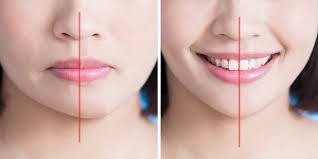
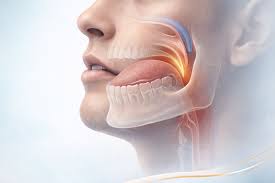
Orthognathic surgery, commonly known as jaw surgery, is a surgical procedure performed to correct the misalignment of the upper and lower jaw bones with each other and with the face as a whole. It is usually performed in conjunction with orthodontic treatment (braces or clear aligners). The jaw may be too far forward, too far back, or in an asymmetrical position. Thanks to this procedure, the bones are moved to their ideal positions and fixed with titanium plates and screws. Since the procedure is performed entirely from inside the mouth, there are no visible incision marks on your face.
Step-by-Step Recovery Schedule: What to Expect?
Our bodies have an incredible capacity to adapt to the changes they experience. Recovery after jaw surgery varies according to each individual’s biological pace, but generally goes through certain stages.
1. First 24-48 Hours (Hospital Period and Initial Rest)
You will generally stay in the hospital for 1 or 2 nights after the operation. The purpose of this period is to closely monitor your condition by our experienced physicians and healthcare personnel.
Swelling (Edema): Swelling in your face, especially around your cheeks and lips, is the most natural reaction of the body to this change. Edema reaches its peak on the second and third days. Cold compresses (ice applications) applied in the hospital largely keep this under control.
Nutrition: In this first stage, nutrition is entirely in liquid form. Soups, fruit juices, and protein-supplemented drinks are consumed gently with the help of a large syringe.
Speech: Due to the swelling inside the mouth and the orthodontic elastics used, speaking may require some effort in the first few days. It is recommended that you use short sentences to avoid tiring yourself.
2. First Week (Returning Home and Adaptation)
This week, as you leave the hospital environment and return to the comfort of your home in Afşin, is the heart of the adaptation process. Your body uses its healing energy at its highest level.
Swelling will gradually begin to subside. Mild bruising (ecchymosis) may be seen in the neck and chest area; this is completely temporary and is a sign of blood being drawn from the tissues.
Taking the medications prescribed by your doctor at the prescribed times will help you rest and manage any sensitivities your body may have.
Keeping your head elevated with two pillows while sleeping will help the edema accumulated in your face to disperse more quickly due to gravity.
3. Second and Fourth Weeks (Warming Up to Social Life)
As you enter the third week, you will begin to see the changes in the mirror much more clearly. At this stage, when 70-80% of the swelling has disappeared, many of our patients return to desk jobs or school life.
The use of the splints is usually adjusted by the physician to be loosened or worn only at night. This makes your speech much more fluent and understandable.
The “puree” phase begins in nutrition. Foods that do not require chewing but have a consistency (mashed potatoes, well-mashed eggs, yogurt) are included in your menu.
4. From the First to the Third Month (Bone Fusion and Final)
The jawbones are completely fused together and the screws are removed.It usually takes 6 to 8 weeks for new bone tissue to form around it.
You are now in the “soft chewing” phase. Pasta, tender fish, and well-cooked vegetables can be consumed.
By the end of the third month, your facial features will be fully settled. The tremendous balance in your profile, the ease of your lip closure, and the pleasure of healthy chewing will make you feel that this whole process was worthwhile.
Nutrition Guide During the Recovery Period
Nutrition is the most critical component of the recovery process. Your body needs more calories and protein than ever before to repair tissues. You can review your nutritional phases in the following shrink-to-fit table:
| Recovery Phase | Diet Type | Sample Foods That Can Be Consumed | Things to Note |
|---|---|---|---|
| Days 1-7 | Completely Liquid | Strained broth, clear soups, fruit juice, protein milk. | A straw should not be used; the vacuum effect may strain the stitches. Syringe or the edge of a cup should be preferred. |
| 2nd – 4th Week | Puree (Semi-Liquid) | Mashed potatoes, blended liquid dishes, pudding, mashed banana. | Chewing should absolutely not be done. Food should be crushed against the palate with the help of the tongue and swallowed. |
| 1. – 2nd Month | Soft Chewing | Pasta, omelet, soft meatballs, fish, well-boiled vegetables. | Bite should be broken into very small pieces, the jaw joint should not be subjected to excessive force. |
| 3. One Month and Beyond | Normal Nutrition | All kinds of food including nuts, meat, apples, and crispy bread. | Since the bone has fully fused, you will return to your normal routine and gradually get used to all hard foods. |
Why is Maintaining Oral Hygiene So Important?
Because the surgical area is inside the mouth, minimizing the risk of infection depends entirely on how well you adhere to hygiene rules. The professional staff of Dentocare Clinic will provide you with detailed training on this matter.
- Brushing Technique: In the first few weeks, small-headed, extra-soft bristles (like a child’s toothbrush) brushes should be used. Without touching the suture areas, only the tooth surfaces are gently cleaned.
- Mouthwash Use: The antiseptic mouthwashes given to you by your doctor will help clean the surgical areas that a toothbrush cannot reach. Avoid rinsing your mouth too vigorously; gently swirl the liquid in your mouth.
- Drink Plenty of Water: Keeping the inside of the mouth moist accelerates wound healing. Do not neglect to drink water in frequent sips.
Why Dentocare Clinic in Afşin?
Orthognathic surgery is an extremely detailed planning process that requires the perfect harmony of dentistry and maxillofacial surgery. As Dentocare Clinic, which brings the modern technological possibilities offered by Türkiye to our patients in the Afşin region, we do not limit the process only to the moment of the operation.
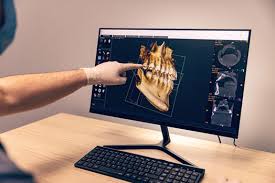
We flawlessly complete your pre-operative orthodontic preparation with clear aligners or traditional methods, and plan your post-operative appearance with you on a computer screen thanks to 3D modeling. We ensure you stay in constant communication with our experienced team throughout your recovery period, even for the smallest detail that might concern you.
Frequently Asked Questions (FAQ)
Will the sensation in my face change after the surgery?
During the procedure, the nerves passing through the jawbones may stretch slightly. Therefore, temporary numbness or tingling in the lower lip and chin area is perfectly expected and normal. As the body repairs the nerves, this sensation will largely or completely return to its natural state within months.
All stitches used in orthognathic surgery are of a type that dissolves naturally in the body. Therefore, there is no procedure for stitch removal. The stitches usually dissolve and disappear inside the mouth within 2 to 3 weeks.
Our patients usually lose a few pounds in the first few weeks due to the liquid and pureed diet. Consuming protein, vitamin, and calorie-rich nutritional supplements during this period will help keep this weight loss to a minimum.
We are here for a flawless profile and a healthy smile!