Aesthetic Planning with Digital Smile Design
What is Digital Smile Design (DSD)?
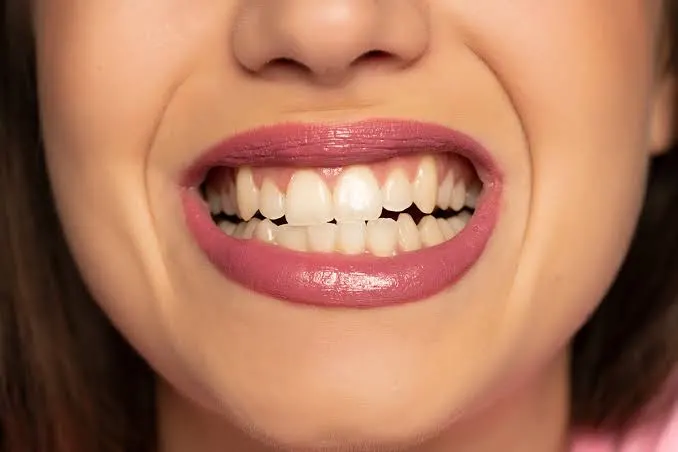
Digital Smile Design is a set of protocols that uses advanced photography techniques and specialized software to analyze the patient’s facial, lip, tooth, and gum proportions. The goal of this process is not just to create “white and straight” teeth, but to design a natural and harmonious smile that best suits the person’s character, facial shape (morphology), and lip structure.
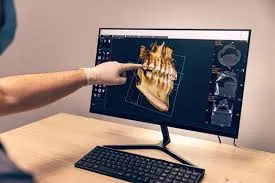
In traditional methods, the doctor tries to describe the design in their mind to the technician, and the result can sometimes be surprising. In digital design, however, the doctor, patient, and dental technician communicate through the same digital data. The patient’s smile is transferred to a computer environment via high-resolution photographs and videos. The length, width, color, and alignment of teeth are calculated with micron precision. This process can be likened to creating a 3D model of an architectural project before construction begins.
Basic Criteria of Aesthetic Planning: The Golden Ratio
In aesthetic dentistry applications in Kahramanmaraş, the “Golden Ratio” (Phi Number – 1.618) forms the basis of digital design. This ratio, found in every aesthetically pleasing object in nature, is also accepted as a guide in dental aesthetics.
The Golden Ratio in Teeth:
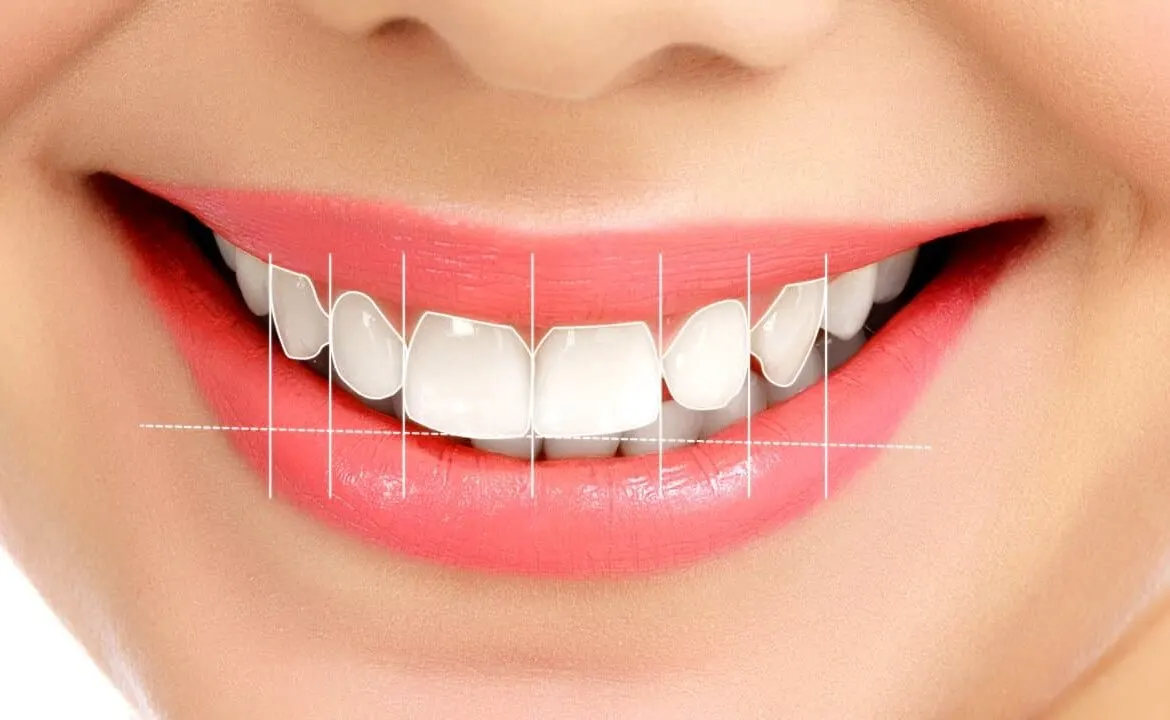
When viewed from the front, there should be a specific proportion between the width of the central (front incisor) and the width of the lateral (side incisor). Similarly, this ratio should be maintained between the lateral incisor and the canine (cuspid) tooth. Digital software automatically calculates how much each tooth needs to be lengthened or widened by placing a golden ratio ruler on a photograph of the patient’s existing teeth.
Personalized Design: Visagism (Harmony of Face and Character)
Everyone’s face shape and character are different; therefore, a “uniform” smile design is not aesthetically pleasing. In digital planning, the concept of “Visagism” comes into play. This concept argues that tooth shapes should reflect a person’s character and facial features.
- Oval Face Shape: Generally, softer, rounded-corner tooth shapes are preferred. This gives the person a more gentle and elegant expression.
- Square/Angly Face Line: Straighter, angular, and masculine tooth forms harmonize with the strong structure of the face.
- Triangular Face Line: In faces that narrow towards the chin, the teeth should also be designed to balance this narrowing.
- Temperament: For dynamic and extroverted personalities, designs where the two front teeth are slightly more prominent and longer can be planned; for calm and mature personalities, a straighter smile line can be planned.
Application Process in Kahramanmaraş: Step-by-Step Aesthetics
In a clinic in Kahramanmaraş, the digital smile design process begins from the moment the patient sits in the chair and progresses step by step. This process ensures the patient’s active participation in the treatment.
1. Photo and Video Protocol
The most important stage of the process is data collection. Not only the patient’s teeth, but their entire face is photographed with professional studio equipment while smiling, speaking, and standing. Short videos are also taken to examine the patient’s lip movements during speech (dynamic analysis).
2. Digital Analysis and Design
The obtained images are transferred to a computer. Using special DSD software, ideal tooth positions are drawn, referencing the midline of the teeth, the line passing through the pupils (pupil line), and the corners of the lips. The level of the gums (pink aesthetics) is also planned at this stage. If “Gummy Smile”If there is a (gummy smile), the extent to which the gums will be lifted is determined by laser simulation.
3. Mock-Up Application: “Test Drive”
This is the most fascinating part of digital smile design. The design created on the computer is printed as a model from a 3D printer. A temporary plastic material (mock-up) prepared from this model is applied to the patient’s teeth without any cutting or grinding.
When the patient looks in the mirror or in a video recording, they see exactly how they will look in their own mouth when the treatment is finished. This stage completely eliminates the patient’s concerns such as “will my teeth be too big?”, “will it suit me?”. For patients in Kahramanmaraş, this “test drive” is the key to starting the treatment with confidence.
4. Production of Permanent Restorations
After the patient and the doctor agree on the trial, the actual treatment begins. The digital design data is sent to the milling devices (CAM) in the laboratory. Aesthetic materials such as zirconium and E-max (Laminate Veneers) are processed with micron precision to transform the patient’s dream smile.
Comparison of Traditional Aesthetics and Digital Smile Design
You can examine the differences created by the digitalization of the planning process for both the patient and the physician in the table below:
| Features | Traditional Aesthetic Approach | Digital Smile Design (DSD) |
|---|---|---|
| Planning | In the mind of the physician and at the initiative of the technician. | On the computer, with 100% measurable data. |
| Seeing the Result | When the procedure is finished (There is a risk of surprise). | Before the procedure begins (Mock-up rehearsal) (with). |
| Communication | Based on verbal description. | Sharing of visual and digital data. |
| Facial Harmony | Focus is only on the teeth. | The entire face, lip, and eye structure are integrated. |
| Margin of Error | Prone to manual errors. | Micron-level precision. |
In Which Treatments Is It Used?
Digital smile design is not a treatment in itself, but a planning method. The treatments that may be applied as a result of this planning are:
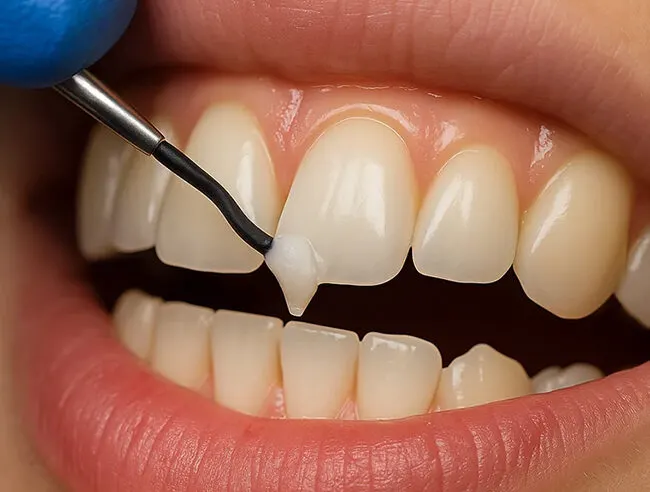
- Laminate Veneers (Porcelain Veneers): Aesthetic veneers that are bonded only to the front surface of the teeth and require minimal abrasion.
- Zirconium Veneers: Full veneers with high durability and light transmittance.
- Pink Aesthetics (Gum Reduction): Laser leveling of the gums (Gingivectomy).
- Orthodontics (Clear Aligners): Correction of tooth alignment disorders.
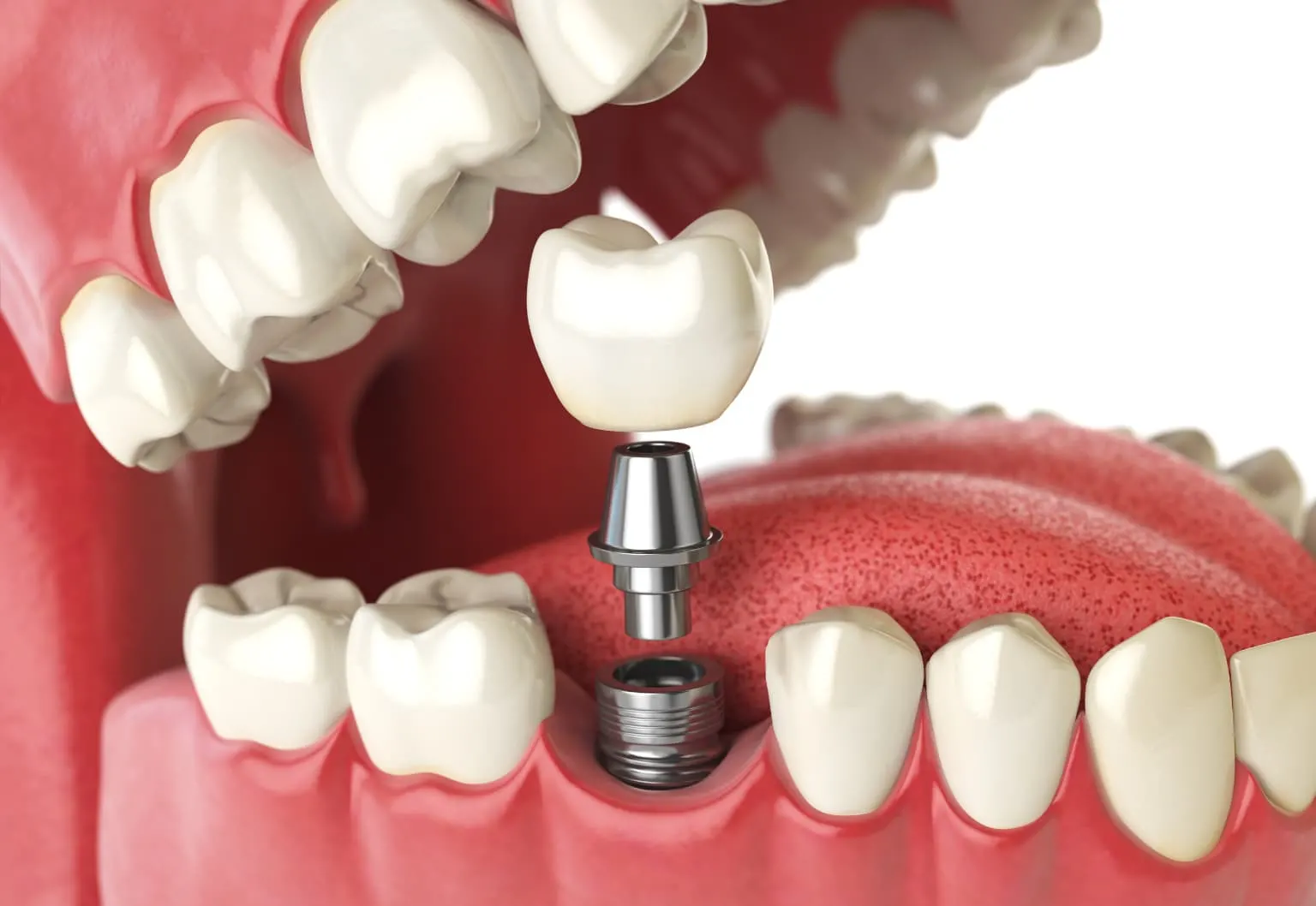
- Implant-Supported Prostheses: Aesthetic planning in completing missing teeth.
Access to Technology in Kahramanmaraş
While in the past it was necessary to go to big cities for such advanced technology applications, today, modern dental clinics in Kahramanmaraş offer access to global It has devices and software that meet standards. The training and vision of the city’s dentists regarding digital dentistry ensure that the people of Kahramanmaraş have access to world-class aesthetic services. Clinics, especially in developing areas like Onikişubat, are equipped with digital scanners and design studios.
Conclusion: Don’t Leave Your Smile to Chance
In short; “Digital Smile Design and Aesthetic Planning” is an engineering study that eliminates uncertainties and combines science and art. The answer to the question “Which tooth suits me best?” is no longer in the dentist’s guess, but in the precision of digital data.
For those planning to take a step towards a new smile in Kahramanmaraş, digital smile design is the most reliable way to achieve the desired result. A smile that makes you happy when you look in the mirror, that integrates with your face and reflects your character, is not just an aesthetic gain, but an investment in your quality of life.