What Causes Teeth Grinding (Bruxism)?
The intense pace of life brought about by the modern age, economic uncertainties, social stressors, and the psychological pressures individuals face in daily life manifest themselves in various ways in our bodies. The most common and destructive reflection of these manifestations in oral and dental health is the problem of teeth grinding and clenching, called “Bruxism” in medical literature. Waking up tired in the mornings, persistent headaches, sounds coming from the jaw joint, and unexplained sensitivity in the teeth are often harbingers of this insidious habit. Bruxism is a multifactorial disorder that not only wears down the tooth surfaces but can also leave permanent damage to the temporomandibular joint (TMJ), chewing muscles, and surrounding tissues.
Known for its history, culture, and strong social structure, Kahramanmaraş is currently experiencing a period of fluctuating stress levels in its society, influenced by recent regional developments and natural disasters. A significant portion of patients seeking treatment at dental clinics in Kahramanmaraş are observed to have increased complaints of teeth grinding due to stress. Whether living in the modern settlements of Onikişubat or the historic streets of Dulkadiroğlu, many individuals unknowingly reduce their quality of life by grinding their teeth during sleep or throughout the day.
What is Bruxism (Teeth Grinding)?
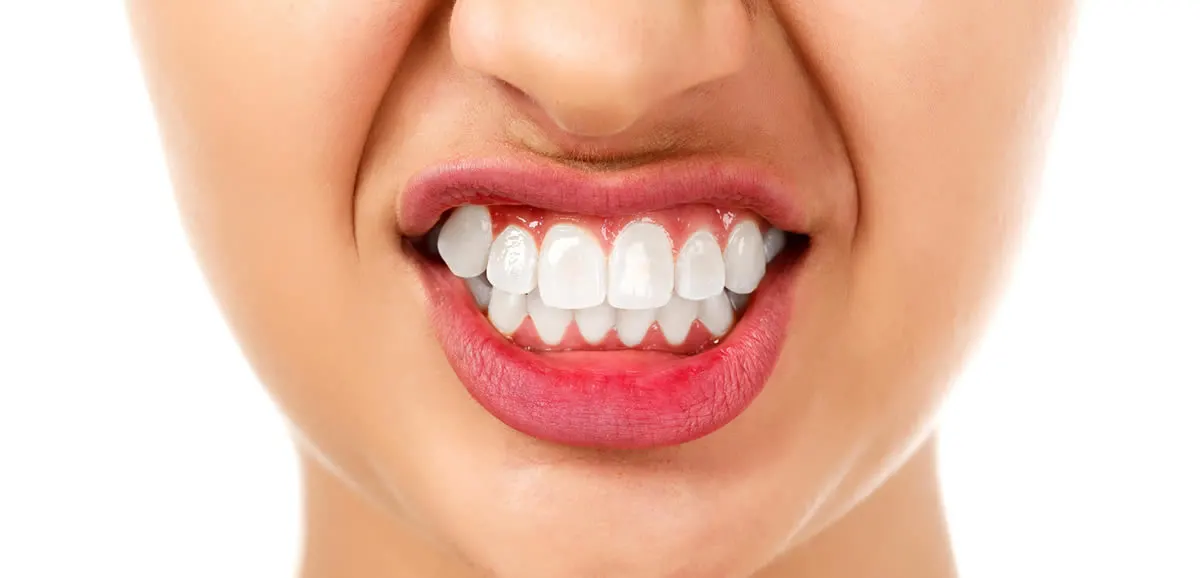
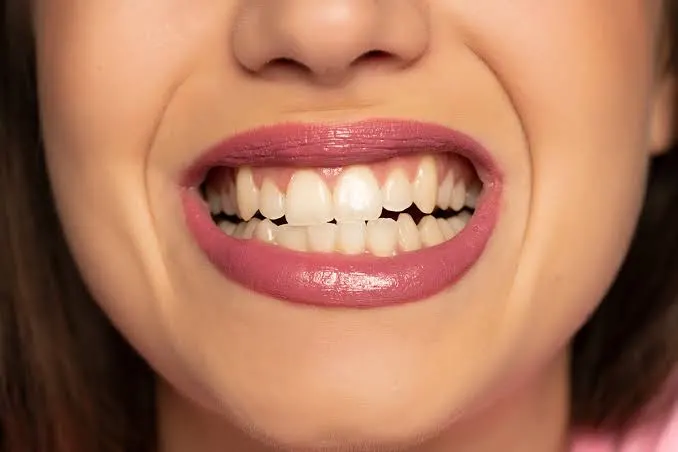
Bruxism is the involuntary, non-rhythmic, and non-functional (not intended for eating) contraction of the chewing muscles (especially the masseter and temporal muscles), resulting in the forceful pressing or rubbing of the upper and lower teeth against each other. This force is many times greater than the force applied during normal chewing. In a normal chewing cycle, teeth touch each other for only brief moments, but in a bruxism attack, this contact can last for minutes, creating pressure on the teeth equivalent to tons of weight.
Bruxism is basically divided into two categories:
1. Sleep Bruxism: This is when a person unconsciously clenches or grinds their teeth while sleeping. It is usually noticed by their spouse or family through the grinding sound.
2. Wakefulness Bruxism: This is when teeth clench during the day, usually during moments of concentration, stress, or anger. The person is often unaware of it, but feels fatigue in their jaw muscles at the end of the day.
There is no single answer to the question, “Why do I clench my teeth?” Bruxism results from a complex interaction of “central” (brain-related) and “peripheral” (oral structure-related) factors. When evaluated specifically for patients in Kahramanmaraş, the causes are generally grouped under the following headings:
1. Psychological Factors and Stress
Studies show that the biggest trigger of bruxism is psychosocial stress. There is a direct connection between the “Limbic System,” the emotion center of our brain, and the chewing muscles. When a person is under stress, experiencing suppressed anger, anxiety, or tension, the body uses the chewing muscles to release this negative energy.
Especially in regions like Kahramanmaraş, which have experienced earthquake trauma or where economic/social changes are rapid, “Post-Traumatic Stress Disorder” (PTSD) and generalized anxiety are the most important factors triggering bruxism by disrupting sleep quality. Increased cortisol (stress hormone) levels in the body increase muscle tone, causing teeth grinding throughout the night.
2. Sleep Disorders (Sleep Apnea)
Sleep bruxism is now considered not just a “movement disorder,” but also a symptom of a “sleep disorder.” Teeth grinding is particularly common in individuals with “Obstructive Sleep Apnea” (cessation of breathing during sleep). When the airway is blocked, the body tries to push the lower jaw forward to open the airway and regain muscle tone; teeth are ground during this reflex. Factors such as the richness of Kahramanmaraş cuisine and the resulting weight gain can increase the risk of sleep apnea and, indirectly, bruxism. 3. Medication Use and Neurological Factors
Some antidepressants (especially SSRIs), attention deficit medications, and neurological treatments can trigger bruxism as a side effect. Changes in the balance of dopamine and serotonin in the brain can affect the mechanisms controlling muscle movements, leading to involuntary jaw movements. In addition, smoking, alcohol, and excessive caffeine consumption (significant considering the prevalence of coffee culture in Kahramanmaraş) can exacerbate bruxism with their stimulating effects.
4. Malocclusion
It was previously thought that the main cause of teeth grinding was improper closing of the teeth. Although the influence of this theory is less accepted today, it is still a valid factor. Missing teeth, high fillings, or ill-fitting dentures prevent the jaw from finding its ideal position. The brain tries to reduce this “height” or “excess.”To eliminate the pressure, the teeth may involuntarily rub against that area, initiating the grinding reflex.
Symptoms and Effects of Teeth Grinding on the Body
Bruxism causes symptoms not only in the mouth but also in the head and neck area. The table below shows the symptoms and long-term effects that may be seen in an individual experiencing teeth grinding:
| Affected Area | Early Symptoms | Advanced (If Untreated) Consequences |
|---|---|---|
| Teeth | Wear on the tips, sensitivity to hot/cold. | Tooth fractures, enamel cracks, shortening of tooth length. |
| Jawbone | Jaw fatigue in the mornings. | Bone loss and gum recession. |
| Temporomandibular Joint (TME) | Clicking sound or feeling of catching when opening the mouth. | Restricted mouth opening (Trismus), permanent joint damage. |
| Muscles | Stiffness in the cheeks (Masseter hypertrophy). | Squaring of the face shape, chronic myalgia (muscle pain). |
| Head and Neck | Throbbing headache in the temples. | Chronic migraine, neck and back pain. |
Diagnostic Methods: How Do I Know If I Grind My Teeth?
Most patients are unaware that they grind their teeth. They are usually diagnosed during a routine dental check-up or when they go to the doctor complaining of persistent headaches in the mornings. The following methods are used for diagnosis in clinics in Kahramanmaraş:
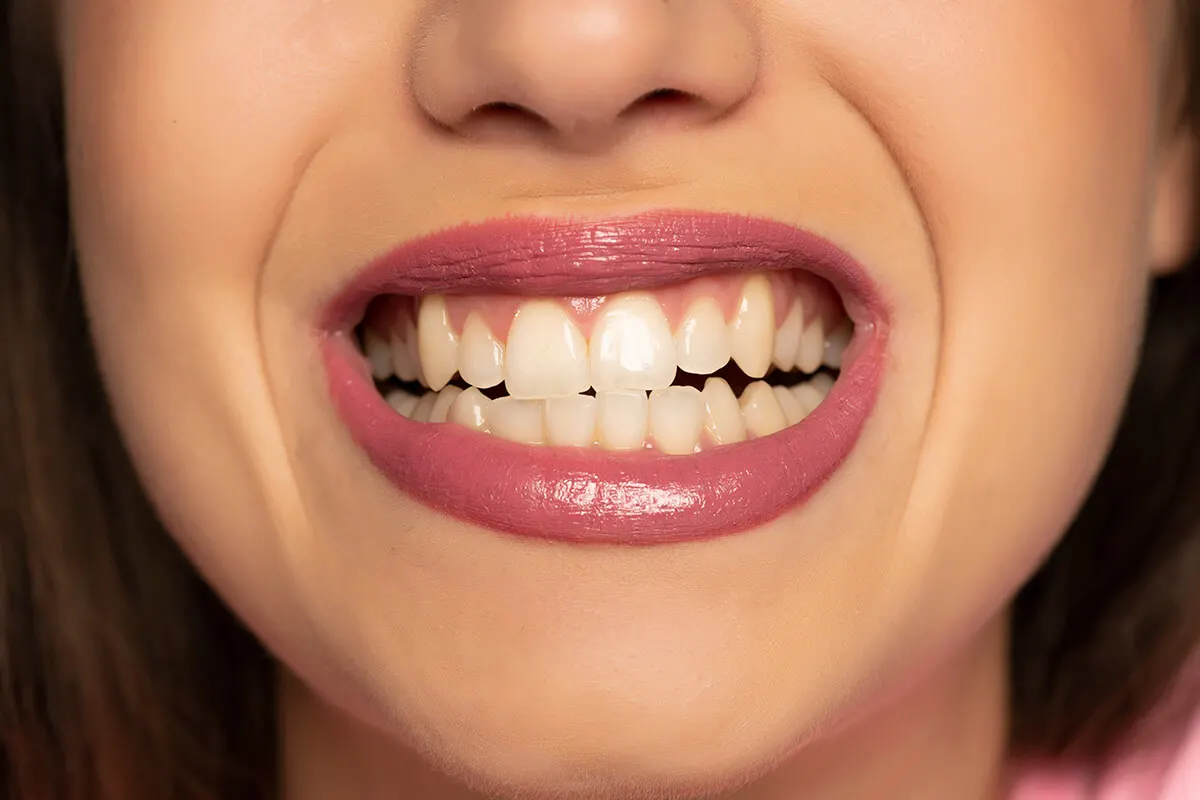
- Clinical Examination: The dentist checks the shiny wear areas called “facets” on the chewing surfaces of the teeth.
- Muscle Palpation: Pain or stiffness is checked when the cheek (Masseter) and temple (Temporal) muscles are touched.
- Intraoral Findings: The white line (Linea Alba) on the inside of the cheeks caused by biting and tooth marks (fisto) on the tongue are the clearest evidence of bruxism.
- Sleep Test (Polysomnography): If sleep apnea is suspected, a detailed analysis may be requested in the sleep laboratories of hospitals.
Bruxism Management and Preventive Approaches in Kahramanmaraş
Bruxism, Rather than being a disease that can be completely “eliminated,” it is a condition that “needs to be managed.” The aim is to stop the damage to the teeth and joints and to relieve muscle spasms. Current approaches applied in Kahramanmaraş are as follows:
1. Occlusal Splint (Night Guard) Treatment
This is the most common, safest, and most basic treatment method. A custom-made, transparent splint is produced from hard acrylic material after taking the patient’s dental impressions (digital or traditional). This splint:
– Prevents wear by preventing teeth from touching each other.
– Rests the jaw joint by bringing it to an ideal position.
– Reduces muscle tension.
Ready-made splints or soft sports splints sold in pharmacies are not effective in treating bruxism; in fact, they can sometimes increase the clenching reflex. A hard, fitted splint must be used under the supervision of a physician.
2. Neurotoxin Applications (Masseter Botox)
Especially in patients with very high muscle strength, a night guard alone may not be sufficient. In this case, neurotoxin injections into the chewing muscles (Masseter and Temporal) temporarily reduce muscle strength. This procedure reduces muscle size, eliminating facial squareness (aesthetic effect), and also reduces pressure on the teeth. However, this is not a treatment but symptom management and may need to be repeated at certain intervals.
3. Stress Management and Lifestyle Changes
In line with the cultural structure of Kahramanmaraş, lifestyle changes made by patients increase the success of the treatment.
– Reducing tea and coffee consumption in the evening hours.
– Paying attention to sleep hygiene (dark and quiet environment).
– Managing stress factors by seeking psychological support if necessary.
– Relaxing muscles with warm towel application and jaw exercises.
Teeth Grinding in Children
Another issue that parents frequently worry about is teeth grinding in children. Teeth grinding is quite common in children during the primary and mixed dentition periods (5-10 years) and is generally considered physiological (normal). Factors such as teeth changing, the bite settling, nasal congestion (adenoids), or intestinal parasites can contribute. Often, this habit resolves spontaneously once the permanent teeth are fully developed. However, if there is excessive wear, it is important to consult a Pedodontist (Pediatric Dentist).
Conclusion: Protect Your Teeth and Jaw
In summary, the question “Why does teeth grinding (bruxism) occur?” is a complex issue at the intersection of modern life and individual biology. This condition, which can lead to tooth loss, joint disorders, and chronic pain if left untreated, can be controlled with early diagnosis and appropriate measures.
KahramanIf you live in Maraş and wake up tired in the mornings and experience tooth sensitivity, it is crucial to consult a dentist without delay. A simple precaution like a night guard can prevent major problems in the future. Your health is too valuable to be neglected.