Why Does Tooth Discoloration Occur?
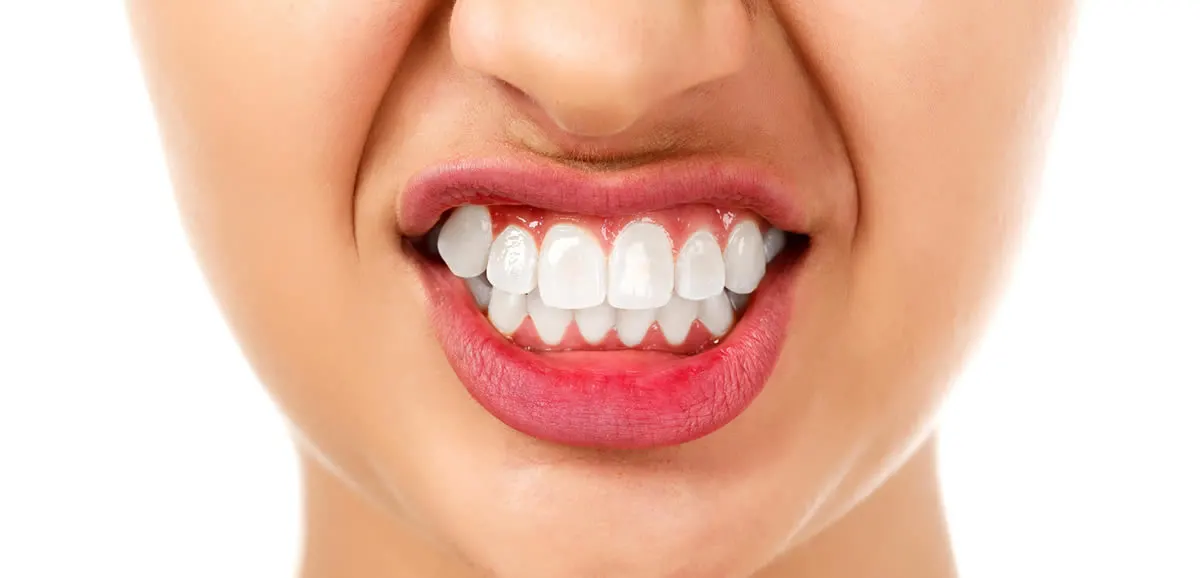
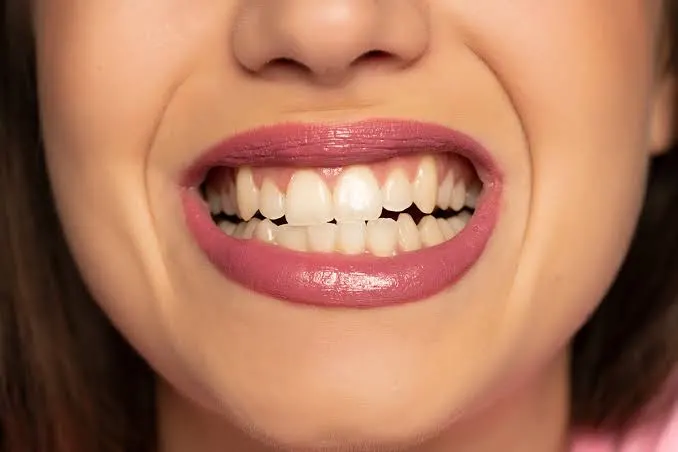
A smile is one of the most powerful and sincere tools individuals use in social communication. Healthy, clean, and naturally white teeth not only provide an aesthetic advantage but also give strong clues about a person’s general health and self-care to the other party. Unfortunately, over time, due to the influence of various internal and external factors, teeth can lose their natural shine, yellow, or develop unwanted stains. Tooth discoloration, referred to as “Tooth Discoloration” in medical literature, is one of the most common reasons for visits to dental clinics today.
Known for its historical texture, rich cuisine, and warm human relations, Kahramanmaraş is a city that stands out with its unique eating habits and lifestyle. Factors such as the high consumption of tea and coffee in the city’s social life and the frequent use of local spices are among the elements affecting the frequency of tooth discoloration in the region’s population. With the increasing aesthetic expectations of individuals living in Kahramanmaraş, understanding the causes of these discolorations in teeth and seeking the right solutions has become of great importance.
Tooth Structure and Mechanism of Discoloration
To fully understand the causes of tooth discoloration, it is first necessary to understand the anatomical structure of the tooth and how it reflects light. A tooth is fundamentally composed of two main layers called “enamel” and “dentin”. The outermost enamel layer is the hardest tissue in the body and has a crystalline structure. Healthy enamel has a semi-transparent appearance. The dentin layer, located immediately below the enamel, has a more yellowish color and is the main layer that determines the tooth’s actual color.
When light hits the tooth, it passes through the enamel layer and reflects off the dentin layer before reaching our eyes. If there is a stain accumulation on the enamel layer (external discoloration) or if the enamel structure is damaged and the dentin color darkens (internal discoloration), the tooth is perceived as darker, yellower, or grayer than it actually is. Discoloration can be a simple surface contamination, or it can be a sign of a structural defect that occurs during the tooth’s development process. Therefore, not all discoloration is the same and requires different approaches.
Extrinsic Discoloration Causes
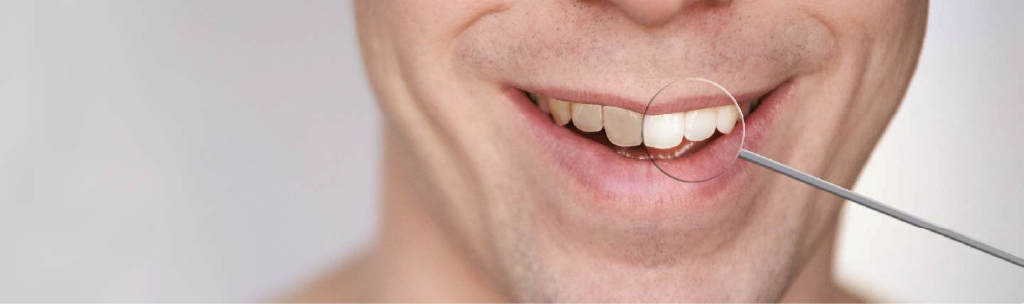
Extrinsic discolorations result from pigments that accumulate on the surface of the enamel, the outermost layer of the tooth, and adhere to the tooth over time. These types of stains are usually directly related to the patient’s lifestyle, dietary habits, and oral hygiene. This is the most common type of discoloration in Kahramanmaraş.
1. Dietary Habits (Foods and Beverages)
Many foods and beverages we consume contain natural or artificial colorings (chromogens). These substances adhere to the microscopic pores on the tooth surface, causing discoloration over time.
Tea and Coffee: Tea and coffee hold an undeniable place in Kahramanmaraş culture. Black tea, due to the “tannin” it contains, causes yellow-brown stains on teeth. Similarly, frequent consumption of dark-colored beverages such as Turkish coffee or regional Menengiç coffee stains the enamel surface.
Acidic Beverages: Cola, energy drinks, or highly acidic fruit juices cause erosion (wear) of the enamel surface. The roughened enamel surface makes it easier for stains to adhere.
Colored Foods: Foods with high pigmentation such as tomato paste (an indispensable part of Kahramanmaraş cuisine), soy sauce, beets, cherries, and mulberries can also cause discoloration of teeth. 2. Tobacco Product Use
Smoking cigarettes, cigars, pipes, or hookahs is one of the biggest enemies of dental aesthetics. The tar and nicotine produced by burning tobacco cause stubborn, dark brown, and even black stains on the tooth surface. These stains are usually concentrated on the inner surfaces of the teeth and at the gum line. This poses a great risk not only to aesthetics but also to gum health.
3. Inadequate Oral Hygiene
If teeth are not brushed and flossed regularly, “bacterial plaque” accumulates on the tooth surface. Over time, this plaque combines with minerals in saliva, hardens, and turns into “dental calculus” (tartar). Due to their porous structure, dental calculus absorbs food dyes like a sponge, creating a yellow/brown appearance. This leads not only to discoloration but also to gum recession.
Intrinsic Staining Causes
Intrinsic discoloration results from changes in the internal structure of the tooth (dentin or pulp) during or after tooth development. These stains are not superficial; they are embedded in the tooth’s own tissue and cannot be removed by brushing.
1. Fluorosis (Excessive Fluoride Intake)
Fluorosis can develop if there is excessive exposure to fluoride during the tooth formation stage (in childhood). This condition manifests as a variety of appearances on the tooth surface, ranging from chalky white spots to brown pits.This can be caused by: Fluoride levels in drinking water in some areas of Kahramanmaraş or the unconscious use of fluoride supplements in childhood can create a predisposition to this situation.
2. Antibiotic Use (Tetracycline)
Antibiotics from the “Tetracycline” group, especially those used during childhood when tooth development is ongoing or during pregnancy, can bind to the tooth structure and cause permanent discoloration. These discolorations are usually seen as gray or brown bands and are one of the most difficult types of discoloration to remove aesthetically.
3. Dental Trauma and Root Canal Treatments
A blow to the tooth (fall, impact) can cause the death of the living tissue (pulp) of the tooth and internal bleeding. This leads to a gray/purple discoloration of the tooth. In addition, dullness and darkening can be seen in teeth that have undergone root canal treatment over time due to moisture loss and the filling materials used. This type of discoloration usually affects a single tooth.
Comparative Analysis of Tooth Staining Types
To help patients better understand their condition, we have summarized the key differences between extrinsic and intrinsic staining in the table below:
| Feature | Extrinsic Staining | Intrinsic Staining |
|---|---|---|
| Source | Surface contaminants (Tea, coffee, cigarettes). | Structural defects, medications, trauma. |
| Appearance | Yellow, brown, or black spots. | Gray, purple, white spots, or dark yellow. |
| Affected Layer | Tooth Cavity (Surface). | Dentin and Enamel (Inner Structure). |
| Cleanability | Can be removed with professional dental cleaning. | Does not go away with cleaning, whitening or veneering is required. |
| Prevention | Can be controlled with oral hygiene and diet. | Usually developmental, difficult to control. |
Aging Factor and Genetic Inheritance
Aging, as a natural process, also affects tooth color. Over time, the outermost white enamel layer of the tooth wears down and thins due to chewing forces. As the enamel thins, the underlying, yellower dentin layer becomes more visible. Furthermore, the dentin layer thickens and darkens in color with age. This physiological process explains why teeth appear yellower in older individuals.
Genetic factors also determine tooth color. Some individuals are born with thicker, whiter enamel, while others may genetically have thinner enamel and a yellowish tooth color. In Kahramanmaraş, too, each individual’s tooth color tone is unique, just like their eye color or skin tone.
Ways to Prevent Tooth Discoloration in Kahramanmaraş
While it’s not possible to completely stop tooth discoloration, it’s possible to slow down the process and maintain the shine of your teeth with simple measures:
- Paying Attention to Oral Hygiene: Brushing your teeth at least twice a day and using dental floss removes plaque that causes staining.
- Using a Straw: Consuming acidic or colored cold drinks with a straw reduces the contact of the liquid with the teeth, thus lowering the risk of staining.
- Rinsing with Water: Rinsing your mouth with water immediately after consuming tea or coffee, which is indispensable in Kahramanmaraş, makes it more difficult for pigments to adhere to the teeth.
- Regular Dental Check-ups: Having a professional dental cleaning every 6 months allows for the removal of superficial stains before they become permanent. provides.
Professional Approach and Solutions
Modern dentistry offers many solutions for individuals who are bothered by discoloration in their teeth. However, the method to be applied should be determined by the dentist according to the type of discoloration.
1. Professional Dental Cleaning (Detartration and Polishing): This involves cleaning tartar and superficial tea/coffee/cigarette stains with special tools and pastes. This process reveals the tooth’s natural color.
2. Teeth Whitening (Bleaching): This is applied in cases of intrinsic discoloration or in patients who want to lighten their natural tooth color by a few shades. It can be applied in the office or at home.
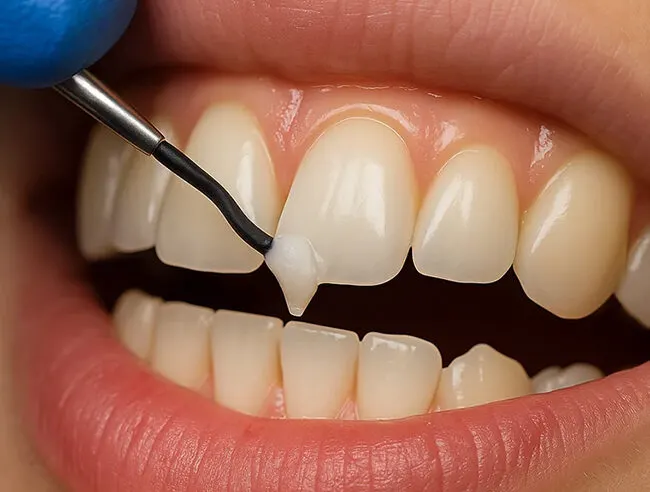
3. Aesthetic Veneers (Laminate Veneer / Zirconium): In cases of advanced discoloration where whitening is ineffective (e.g., tetracycline stains), permanent whiteness and aesthetics can be achieved with thin porcelain veneers bonded to the front surface of the tooth.
4. Internal Whitening: This is a special procedure performed by placing a whitening agent inside the tooth to treat single tooth discoloration due to root canal treatment.
Result: Conscious Steps Towards a Healthy Smile
In short; the answer to the question “Why does tooth discoloration occur?” covers a wide range of factors, from genetics and nutrition to aging and medications. Living in KahramanmaraşFor individuals, understanding the effects of the region’s delicious but pigmented foods and tea/coffee culture is the first step in taking preventative measures.
If discoloration of your teeth is holding you back in social life or causing aesthetic concerns, consulting a dentist is the best course of action instead of resorting to unhealthy products from supermarket shelves. When the cause of the discoloration is correctly diagnosed, it is possible to achieve a natural and radiant smile with appropriate methods.