How to Instill Proper Toothbrushing Habits in 3-6 Year Old Children?
Child development is a long and exciting journey, each stage of which has its own unique dynamics. One of the most critical turning points in this journey is the 3-6 age range, the preschool period, a special stage where the child begins to individualize, the feeling of “I can do it” reaches its peak, but motor skills are not yet fully mature. From the perspective of oral and dental health, this period is a transition process where the primary dentition is completed, jaw development accelerates, and the first permanent teeth are preparing to erupt. Therefore, the toothbrushing habit acquired at this age forms the foundation of the individual’s lifelong oral health.
For many parents, getting children aged 3-6 to brush their teeth can be the most challenging part of their evening routine. Protests, biting the brush, tendencies to swallow toothpaste, or getting bored quickly are all natural parts of this process. However, with the right pedagogical approaches, fun materials, and patient guidance, this obligation can be transformed into an enjoyable game.
Developmental Process: “I Can Do It” Syndrome and the Facts
Children aged 3-6 begin to assert their independence as part of their psychosocial development. They want to choose their own clothes, eat their own food, and of course, brush their own teeth. This desire is a great opportunity for developing self-confidence, but it also carries risks for dental health.
Scientific research shows that children’s wrist movements and fine motor skills (such as the ability to tie shoelaces) are only fully developed around the age of 8-9. A 3-6 year old child can bring the toothbrush to their mouth, but they do not yet have the manipulation ability to effectively clean all surfaces of their teeth. Therefore, the golden rule during this period is: “The child starts, the parent finishes.”
Correct Brushing Technique: The Fones Method (Circular Movements)
The sweeping motions recommended for adults may be complex and difficult to apply for this age group. The most ideal and easiest technique to teach for children aged 3-6 is the “Fones Technique,” i.e., circular movements.
Step-by-Step Application:
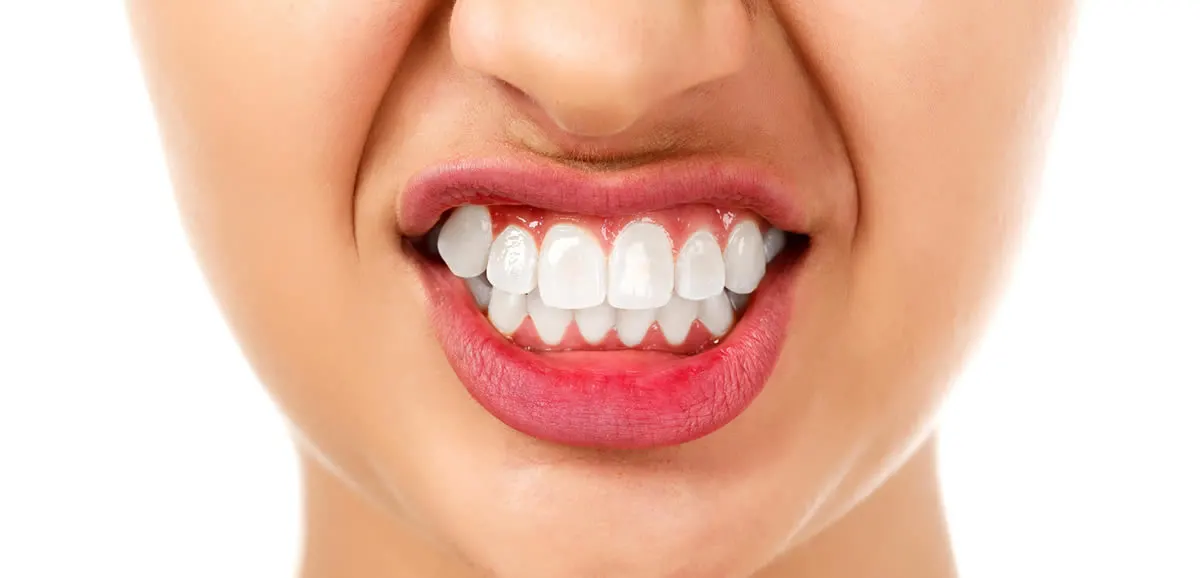
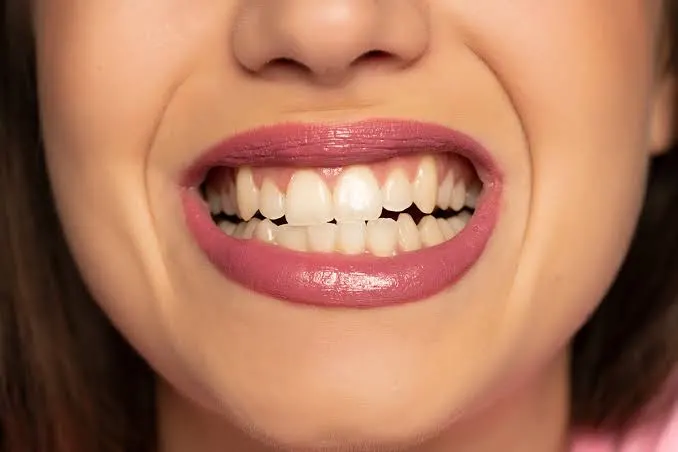
- Biting Position: Ask your child to clench their teeth together (upper and lower teeth together, as if saying “cheese”).
- Drawing Circles: Place the brush on the teeth and brush the front surfaces of both upper and lower teeth simultaneously by drawing large circles. The analogy “the wheels are turning” works well at this stage.
- Opening the Mouth: Now ask them to open their mouth wide (“roar like a lion”).
- Chewing Surfaces: Brush the indented and protruding chewing surfaces of the back teeth with back-and-forth (train motion) movements.
- Inner Surfaces: This is the most difficult part. Holding the brush vertically, clean the backs of the front teeth as if sweeping.
Brush and Toothpaste Selection: Critical Details
For your child to enjoy brushing, it is essential that the equipment they use is suitable for them. Adult products can harm children’s sensitive tissues or make them difficult to use.
Toothbrush
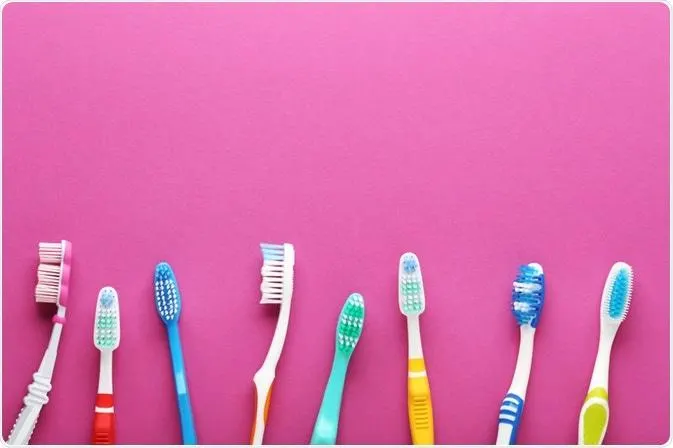
The toothbrush chosen should have a small head (to easily reach the back of the mouth) and soft bristles. The handle should be thick enough to fit comfortably in the child’s hand and made of non-slip material. Toothbrushes with cartoon characters or lights that the child chooses and likes increase motivation.
Toothpaste and Fluoride
Children generally begin to develop a spitting reflex from the age of 3. Therefore, according to the American Academy of Pediatric Dentistry (AAPD) and EAPD guidelines, using a pea-sized amount of fluoride toothpaste is recommended for this age group (1000 ppm fluoride content is usually standard). Fluoride strengthens tooth enamel and protects against cavities.
Important Warning: The taste of toothpaste may seem like candy to children. Therefore, the toothpaste should be squeezed onto the brush by the parent, and the tube should be kept out of the child’s reach.
Parental Supervision: How Much Intervention Is Needed?
At this age, brushing is a collaborative process. The ideal scenario should work as follows:
- In the mornings: The child develops fine motor skills by brushing independently. The parent simply observes and encourages.
- In the evenings (before bedtime): This is the most critical brushing. The child tries it on their own first, then the parent takes the brush saying, “Now it’s my turn, I’m going to catch the candy monsters hiding in the corners,” and cleans all surfaces thoroughly.
Motivation Methods: Making the Process Fun
Forcing and pressure will cause the child to dislike brushing their teeth. Instead, gamification techniques should be used.
| Method | Application Method | Benefits |
|---|---|---|
| Reward Chart | Putting a sticker on the calendar after each brushing. | Provides a sense of visual accomplishment and continuity. |
| Role Switching | Allowing the child to brush the parent’s teeth. | Develops empathy and overcomes fear. |
| Hourglass / Song | Brushing for the duration of a 2-minute hourglass or a favorite song. | Makes the concept of time concrete and prevents boredom. |
| Storytelling | “We’re chasing the little monsters between their teeth.” | Using imagination to make sense of the process. |
Common Problems and Solutions in the 3-6 Age Group
Problem: Swallowing Toothpaste.
Solution: Reduce the amount of toothpaste (about the size of a grain of rice) and make it a game by constantly giving the command to “spit”. Have them brush their teeth with their head tilted towards the sink.
Problem: Biting the Brush.
Solution: This is usually an escape from brushing or a desire to play. You can use two brushes; one for them to bite and play with in their hand, and the other for you to clean with.
Problem: Refuses to Open Mouth/Refuses.
Solution: Don’t argue. Try again at a different time or offer to change the brush. Sometimes brushing outside the bathroom (e.g., in front of the television) can break the resistance.
Pay Attention to Wisdom Teeth!
Towards the end of this age group (around 5.5 – 6 years old), the first permanent teeth (1st Molars) begin to erupt from the back. Since these teeth emerge before any baby teeth fall out, they may go unnoticed by parents and may be mistaken for baby teeth. Ensuring that the brush reaches all the way to the back is vital for the health of these permanent teeth.
Conclusion
The 3-6 year period is a time when your child’s sense of “self” is formed and habits are established. Patience, being a role model, and turning brushing into an enjoyable family routine rather than a chore are key to success during this process. Remember, the effort you put in at this age is the guarantee of healthy smiles for your child throughout their life. Supporting this process with regular dental checkups is crucial for early detection of potential problems.