
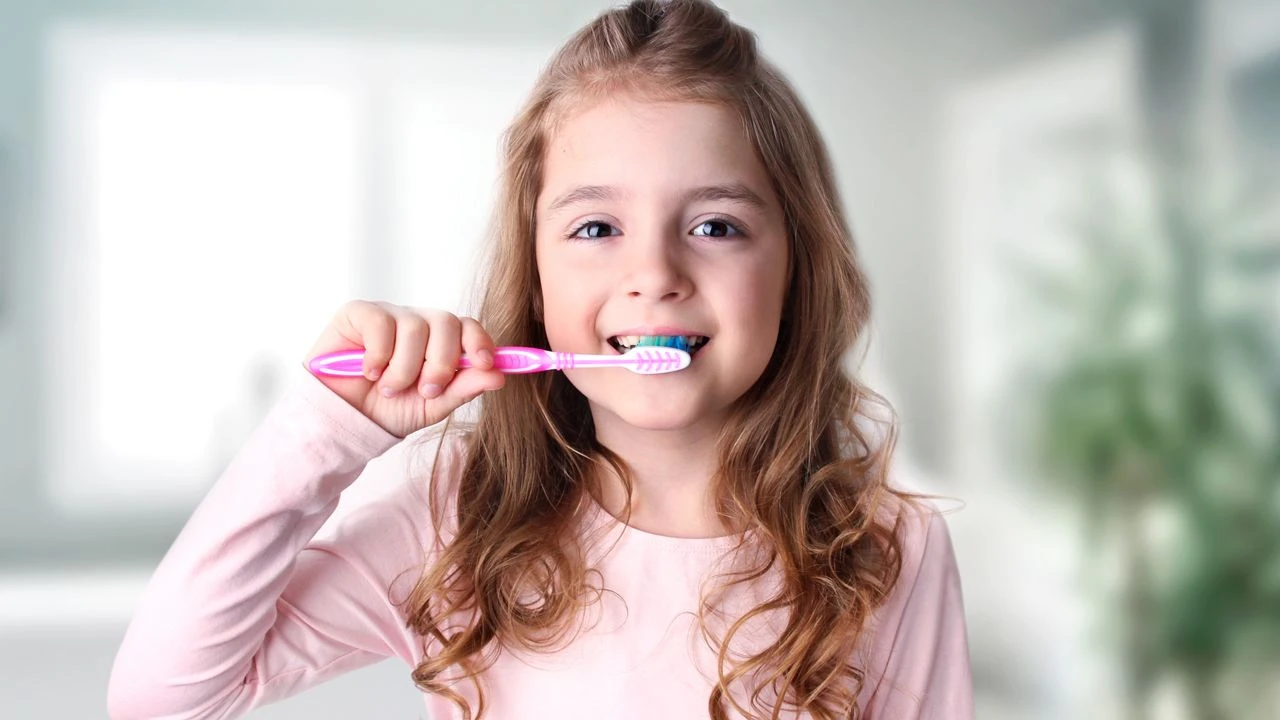
Effective Methods for Children Who Don’t Like Brushing Their Teeth
The parenting journey is filled with loving moments as well as challenges that test patience. At the forefront of these challenges is the “toothbrushing crisis,” which turns evening routines into a battle in many homes. Objections like “No, I won’t brush,” “It tastes bitter,” and “I’m sleepy” are the most common phrases parents hear. However, oral and dental health is not a negotiable matter. Hygiene habits acquired at an early age are the most fundamental investment affecting an individual’s overall health throughout their life. So, how can this habit be instilled in a stubborn, crying, or avoidant child?
Pedodontics (child dentistry) specialists and child psychologists emphasize that coercion is not the solution; on the contrary, it creates trauma and further alienates the child from dental care. The key words are not “persuasion,” but “playfulness” and “modeling.” Children reject a boring and mechanical task while embracing a fun and interactive experience.
Why Don’t They Like It? Getting to the Root of the Problem
Understanding the underlying reason for your child’s resistance is the first step to finding the right solution. A child usually refuses to brush their teeth for three reasons:
- Sensory Sensitivity: The bristles of the brush, the foaming of the toothpaste, or the minty taste being “spicy” can be physically uncomfortable for some children.
- Loss of Control and Independence: Children, especially those between 2-4 years old, want to have control over their own bodies. Forcing an object into their mouths damages their sense of independence.
- Boredom and Waste of Time: For children, standing still in the bathroom for 2 minutes when they could be playing is perceived as a waste of time.
Method 1: Personalize Equipment and Make the Right Choice
While functionality is important for adults, “visuals” and “taste” are everything for children. Personalizing the brushing experience allows the child to take ownership of the process.
Toothpaste Taste Test
The menthol in adult toothpastes can burn children’s tongues. Strawberry, banana, watermelon, or gum-flavored toothpastes (fluoride-containing ones should be preferred) available on the market can make this experience more palatable. Go to the market with your child and let them choose the toothpaste.
Brush Selection and Technology
A toothbrush with their favorite cartoon character on it increases motivation. Also, rechargeable (electric) children’s toothbrushes, usable from the age of 3, are like a “toy” for children with their vibrating movements and sounds. These brushes both attract the child’s attention and increase cleaning effectiveness in children whose hand dexterity is not yet fully developed.
Method 2: Gamification Strategies
Turn a mechanical cleaning process into an exciting adventure. Imagination is your most powerful weapon.
“Catching the Sugar Monsters”
Introduce the toothbrush as a “superhero tool.” Explain that the food they eat during the day (broccoli pieces, cake crumbs) turns into small, mischievous monsters on their teeth. Turn brushing into a hunting game by saying, “Oh look, there’s a sugar monster hiding over there, let’s catch it!”
Role Switching
Give them control. A few times a week, let them brush your teeth. Call them to action by saying, “I have monsters in my teeth too, please save me, doctor!” This helps them develop empathy and reduces their fear. Letting them brush the teeth of their favorite doll is also an effective method.
Method 3: Utilize Technology and Music
2 minutes (120 seconds) is a long time for a child. It’s necessary to make this time tangible and fun.
Music Playlist: Create a 2-minute “Toothbrushing Song Playlist” consisting of your child’s favorite songs. The rule “We’ll brush while dancing until the song ends” makes them forget how time flies.
Mobile Apps: Many toothbrush brands have interactive mobile apps that eliminate germs that appear on the screen during brushing or dress up characters. These apps turn brushing into a video game.
Resistance and Solution Table by Age Groups
The reason for resistance and the method to be applied vary according to the child’s age. The following table can guide you in this regard:
| Age Group | Reason for Resistance | Effective Solution Method |
|---|---|---|
| 0-2 Years | Feeling of a foreign object in the mouth, fear. | Brushing while in the lap, singing, and gently distracting. Parent using a finger brush. |
| 2-4 Years | Desire for independence (“I’ll do it”). | “You brush first, then I’ll go over it” agreement. Imitation games. |
| 4-6 Years | Boredom, desire to play gamesi. | Reward charts, storytelling (monster hunt), use of hourglasses. |
| 6+ Years | Forgetfulness, indifference. | Record marker tablets (to show dirt), mobile apps, rechargeable brushes. |
Method 4: Reward Charts and Positive Reinforcement
Children enjoy having their achievements seen and appreciated. A “Brushing Calendar” that you hang on the bathroom mirror can work wonders.
Have your child stick a sticker of their favorite day after each brushing, morning and evening. When the calendar is full or a specific goal is reached (e.g., 1 week of uninterrupted brushing), give a reward with sentimental value. This reward should not be candy or chocolate; Activities should include things like going to the park, watching a movie together, or picking up a favorite book.
Method 5: Plaque Staining Tablets (Showing the Invisible)
One of the most effective persuasion methods, especially for school-aged children (6 years and older), is “showing the dirt.” Plaque staining tablets, available from pharmacies, stain bacterial plaque on teeth pink or blue when chewed. Saying to your child, “Look, where on your teeth is dirty, let’s brush those colors off now,” makes cleaning a tangible goal.
The Golden Rule for Parents: Consistency and Patience
No method will yield results overnight. Building a tooth brushing habit is a process that requires patience. The most important point is for the parent to be consistent. Even if your child is tired, cries, or protests, the tooth brushing routine should not be broken. However, this should not be done by force or physical coercion. With a calm, firm, and loving attitude, it should be made clear that this is not a “choice activity,” but a natural part of life, “like sleeping or eating.”
Conclusion
It is in the hands of parents to transform a child who dislikes brushing their teeth into an enthusiastic “toothbrushing champion.” Instead of prohibitions, punishments, or intimidation, you can make this process enjoyable by using games, fun, technology, and modeling. Remember, the extra 5 minutes of play and persuasion you spend in the bathroom today will lay the foundation for your child’s healthy smiles and self-confidence in the future.







