What Does Baby Tooth Amputation Mean?
One of the terms that parents most frequently hear in pediatric dentistry (Pedodontics) clinics, but whose meaning they are most curious about, is “Amputation.” In medical terminology, this word means “cutting out,” and since it refers to the loss of an organ in general surgery, it can cause justifiable concern for parents. However, in dentistry, especially when it comes to baby teeth, “Amputation (Pulpotomy)” means the opposite: saving the tooth, not losing it.
Baby teeth are vital for children’s growth and development, but they are more vulnerable to decay attacks than permanent teeth. When a deep decay reaches the nerve tissue (pulp) in the center of the tooth, amputation is the process of removing the infected part and preserving the healthy part instead of extracting the tooth. This procedure, also known as “Partial Root Canal Treatment” among the public, is a prime example of the preventive principles of modern dentistry.
Anatomy of a Baby Tooth and the Journey of Decay
To understand the amputation procedure, it’s necessary to first look at the structure of the tooth. A tooth consists of three layers from the outside to the inside: the hard “enamel” on the outside, “dentin” in the middle, and the “pulp” (tooth core) on the inside, which provides the tooth’s vitality and contains blood vessels and nerves. The pulp tissue continues in the crown (crown pulp) and inside the roots (root pulp).
When decay bacteria pass through the enamel and dentin and reach the pulp chamber, they infect the tissue there. This causes pain and sensitivity in the child. If the infection is limited only to the upper (crown) pulp and has not yet spread to the nerves in the roots, there is no need to remove the entire tooth or all the nerves. “Amputation” is a rescue operation that comes into play at this stage.
What is Amputation (Pulpotomy)?
Amputation (Pulpotomy) is the process of removing the nerve and blood vessel tissue inside the crown (the visible upper part) of a tooth infected due to decay, but preserving the living and healthy tissue in the root canals. In other words, the “diseased” part of the tooth is removed, while the “healthy” root portion is left in place.
The aim of this procedure is to ensure the tooth’s vitality continues at the root level. The remaining roots allow the tooth to complete its physiological lifespan and, when the time comes, to loosen and fall out normally. With the filling placed on top, the tooth continues to remain in the mouth aesthetically and functionally.
Why Amputation Instead of Extraction?
The first question that usually comes to parents’ minds is: “Why are we going through so much trouble for a tooth that will fall out anyway? Couldn’t we just extract it?” The answer lies in the golden rule of dentistry: The best space maintainer is the tooth itself.
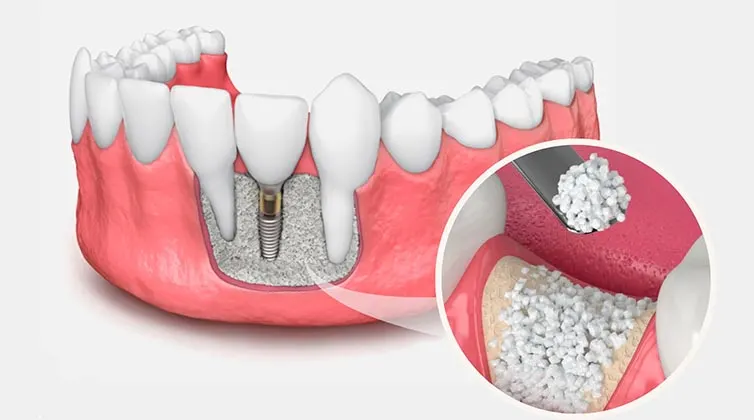
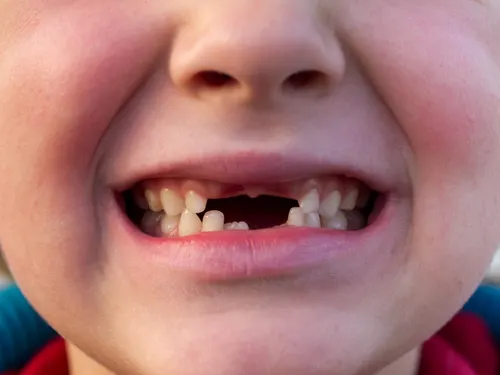
- Space Preservation: Baby teeth preserve the space for the permanent teeth that will erupt underneath. If a baby tooth is extracted prematurely, the adjacent teeth shift into the gap, closing the space where the permanent tooth will erupt. This can lead to serious orthodontic (braces) treatments in the future.
- Jaw Development: Teeth transmit chewing force to the jawbone, stimulating bone growth. Bone development may slow down in the edentulous area.
- Psychology and Function: Tooth loss impairs a child’s nutrition, speech, and smile aesthetics, which can affect their self-confidence.
The Difference Between Amputation and Root Canal Treatment (Pulpectomy)
These two terms are often confused. Although both are nerve treatments, their scope is different. The following table clarifies this difference:
| Feature | Amputation (Pulpotomy) | Root Canal Treatment (Pulpectomy) |
|---|---|---|
| Procedure Description | Only the nerves in the upper (crown) part are removed. | All nerves in both the upper and root parts are removed. |
| Tooth Vitality | Roots remain alive. | The tooth is completely free of dead tissue. |
| Indication | Caries It has touched the nerve but not reached the root. | The infection has spread to the roots, causing pain at night. |
| Duration | It is a shorter and simpler procedure. | It requires a longer and more detailed study. |
How is Amputation Treatment Performed?
In pedodontics clinics, this procedure is usually a quick procedure completed in a single session, considering the comfort of the children.
- Anesthesia: Local anesthesia is applied to the tooth so that the child does not feel pain during the procedure. The gums are first numbed with a topical gel.
- Cleaning the Decay: All decayed tissue on the tooth is cleaned.
- Removing the Nerve: The roof of the pulp chamber is opened and the infected upper nerve tissue is removed.
- Bleeding Control: Bleeding at the mouth of the root canals is stopped. This is an important sign that the roots are healthy.
- Medication Application: Special materials (MTA, Calcium Hydroxide, etc.) that heal and protect the tissue are placed at the entrance of the root canals.
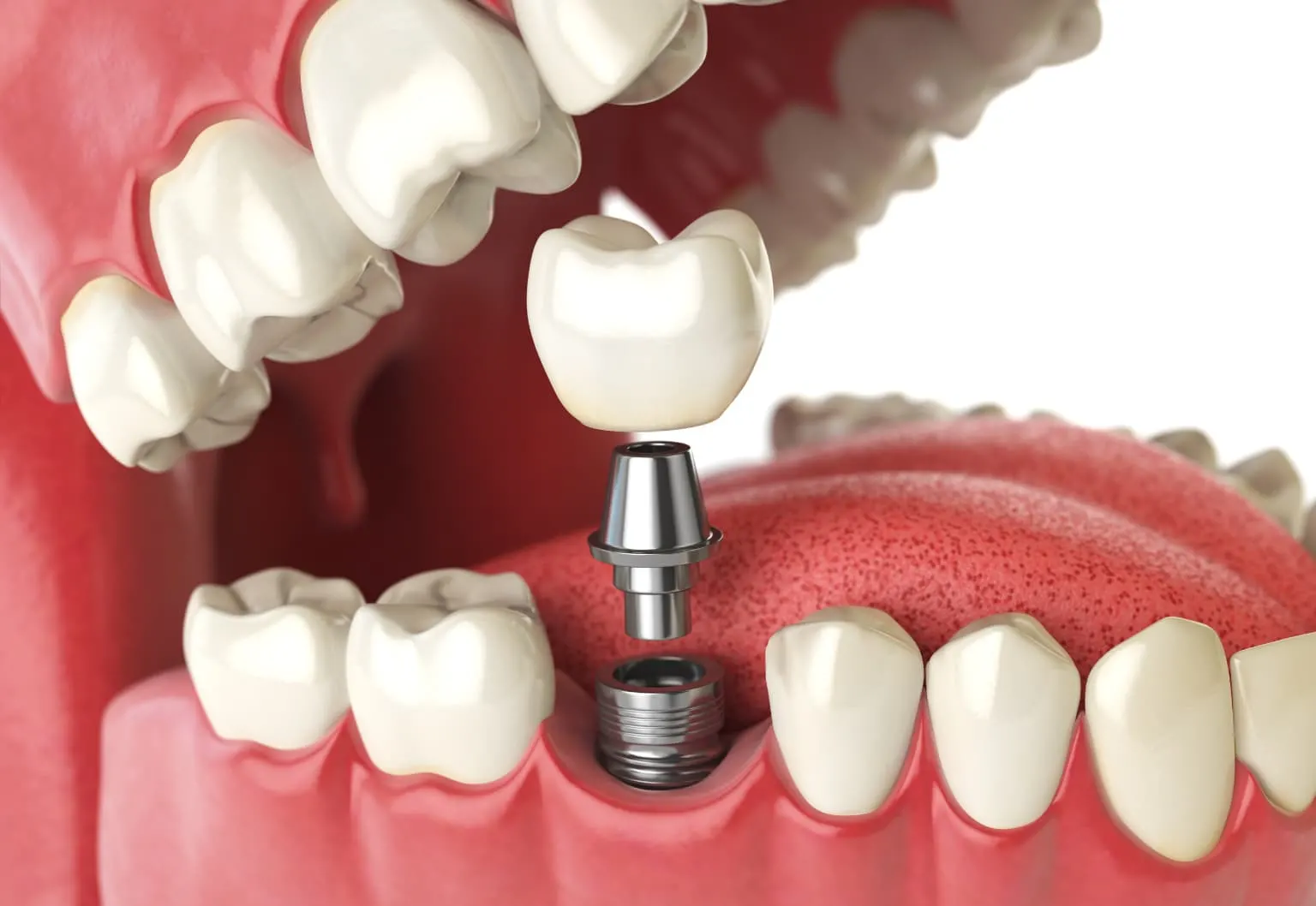
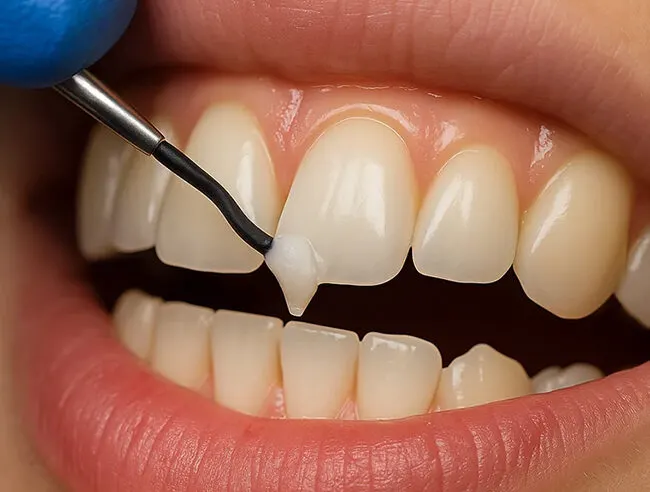
- Filling: The tooth is covered with a watertight filling or, if there is significant material loss, with a “Stainless Steel Crown”.
Post-Treatment Process
The healing process after amputation is generally smooth and fast.
Pain: There may be very slight sensitivity after the effect of anesthesia wears off, but this can be controlled with simple painkillers. Severe pain is not expected.
Feeding: It is important that the child does not eat anything or bite their cheek until the numbness wears off (approximately 2 hours).
Follow-up: The amputated tooth should be brushed and cared for like a normal tooth. During routine 6-month checkups, the dentist monitors the condition of the tooth and the health of the roots with X-rays.
In Which Cases Cannot Amputation Be Performed?
Not every deep cavity can be saved by amputation. If the child has “pain that wakes them up at night,” if there is swelling (abscess) in the gums, if root resorption has begun, or if bleeding cannot be stopped during the procedure; it means the infection has spread to the roots. In this case, amputation is insufficient, and “Root Canal Treatment” or extraction of the tooth may be necessary.
Frequently Asked Questions by Parents
Does this procedure kill the tooth?
No, the purpose of amputation is to keep the tooth “partially alive.” Because the tissue in the roots remains alive, the tooth continues to be nourished and its normal physiological cycle.
Does it damage the permanent tooth underneath?
On the contrary, amputation treatment protects the permanent tooth underneath. It prevents infection from spreading from the roots to the bone and damaging the permanent tooth germ.
Will the amputated tooth fall out?
Yes, when the amputated tooth reaches its natural shedding time (for example, at 10-12 years old), its roots will resorb, loosen, and fall out. The treatment does not affect the tooth’s shedding process.
Conclusion
Amputation of a primary tooth is not a “cutting and removing” procedure to be feared, but rather a “rescue” treatment that prolongs the tooth’s life. Keeping a tooth in the mouth through amputation instead of extracting it in cases of deep decay is the most valuable investment that protects your child’s chewing function, jaw development, and future tooth alignment. If your pediatric dentist recommends this treatment, you can approve it with peace of mind, knowing that it is one of the most reliable methods of preventive dentistry.