Implant Treatment in Kahramanmaraş: Advantages, Disadvantages
In dentistry, the rehabilitation of missing teeth is a critical process that directly affects the patient’s quality of life. For patients living in the Kahramanmaraş region, implant treatments offered by modern dentistry stand out as a strong alternative to traditional prostheses. However, as with every medical procedure, implant treatment also has its own advantages, disadvantages (difficulties), and application limitations.
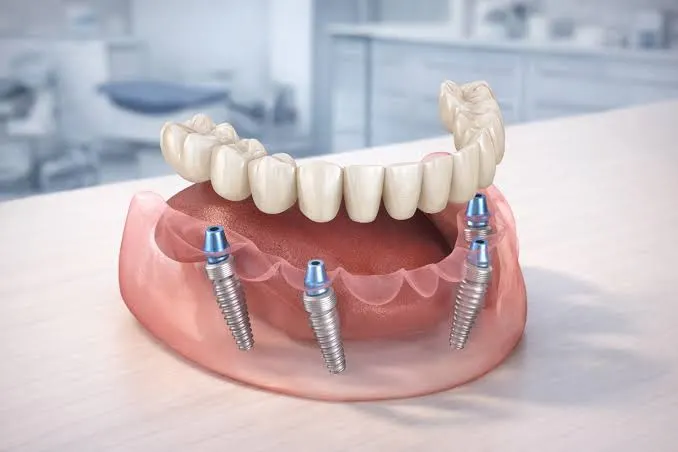
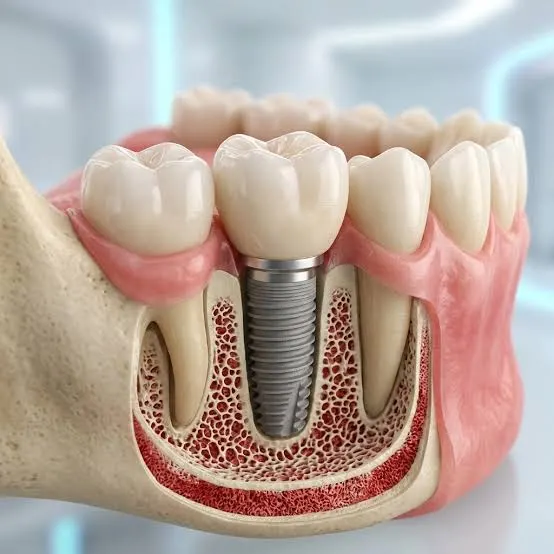
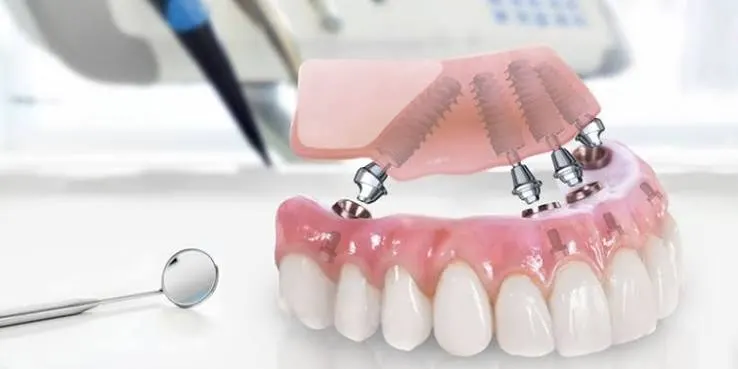
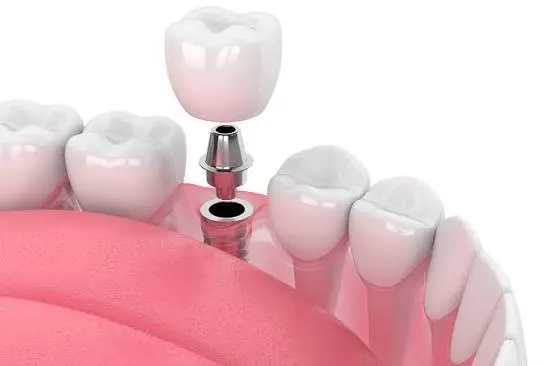
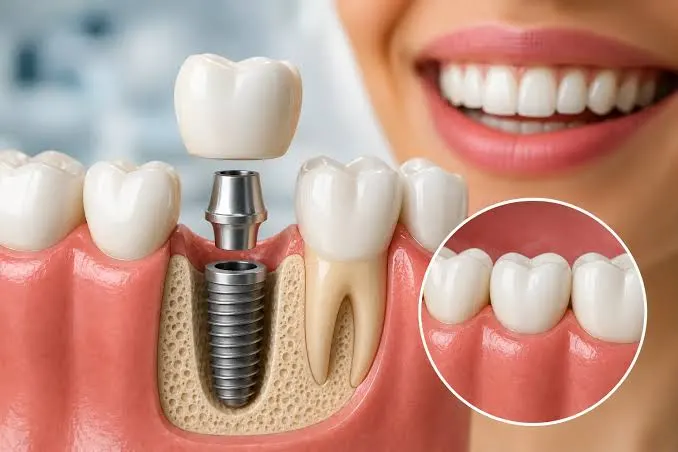
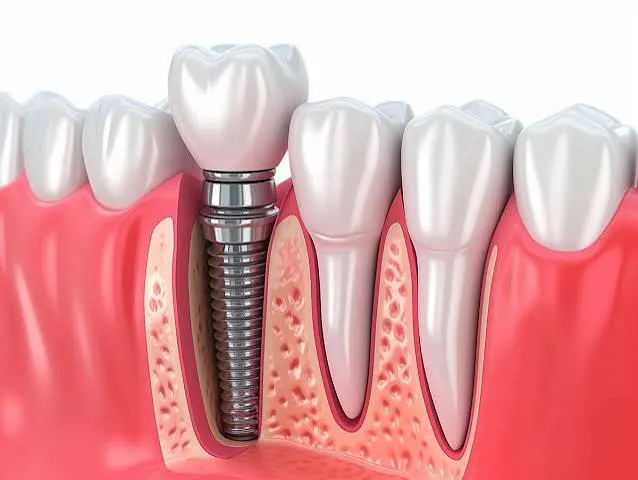
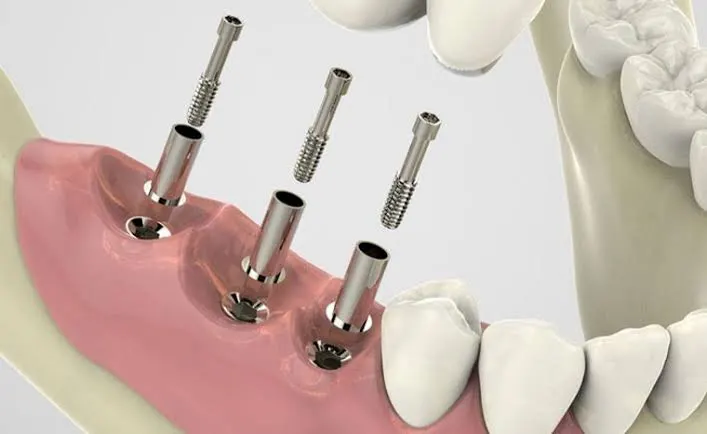
An implant is an artificial root system made from biocompatible materials (usually titanium) and placed in the jawbone to mimic a tooth root. The success of this system depends on the fusion process with the bone, called “osseointegration”. So, why should a patient choose an implant, or in what situations should they avoid this treatment? Here are the details.
Scientific Advantages of Implant Treatment
The most fundamental feature that distinguishes implant treatment from other methods (bridges or removable dentures) is that it is the most suitable method according to the principles of preventive dentistry. The scientific advantages underlying the fact that dentists in Kahramanmaraş primarily recommend this treatment are as follows:
- Preservation of Adjacent Teeth (Non-Invasive Approach): In traditional bridge treatment, it is necessary to reduce (cut) the healthy teeth on the right and left of the missing tooth gap to close the gap. In implant treatment, however, the adjacent teeth are absolutely not touched. Preserving the healthy tooth tissue is the greatest advantage for long-term oral health.
Prevention of Alveolar Bone Resorption (Loss): After a tooth is extracted, the jawbone in that area begins to resorb over time because it becomes dysfunctional. Implants, just like a natural tooth root, transmit chewing force to the bone, stimulating bone cells and preserving bone volume. This feature is critical in maintaining facial aesthetics and lip support.
Chewing Performance and Nutrition: Kahramanmaraş cuisine is rich in foods that require strong chewing force, such as meat, pistachios, and tarhana. While removable dentures reduce chewing capacity to 30-40% compared to natural teeth, implant-supported dentures offer a chewing force very close to that of natural teeth. This directly affects the patient’s nutritional quality and digestive system health.
Psychological and Social Comfort: Aesthetic concerns such as removable dentures moving while speaking, fear of them coming out of the mouth, or the appearance of hooks are not experienced with implant treatment. Fixed prostheses boost self-confidence by giving the patient the feeling of having “their own teeth.”
Disadvantages and Challenges of Treatment
To make an objective assessment, implant treatment also has some disadvantages or aspects that may be challenging for patients. These factors are not “medical errors,” but processes arising from the nature of the procedure.
Being a Surgical Procedure: Implant placement, however routine it may be, is a surgical intervention. Although it is performed under local anesthesia, mild swelling, edema, or temporary tenderness may occur after the procedure. Patients with systemic disorders (uncontrolled diabetes, bleeding disorders, etc.) require further investigations and doctor consultation.
- Treatment Duration: While a bridge prosthesis can be completed within 1 week, implant treatment requires waiting 2-3 months in the lower jaw and 3-4 months in the upper jaw for the bone to fuse with the implant (osseointegration). If bone powder (graft) is used, this period can extend up to 6 months. This waiting period can be seen as a disadvantage for patients who “want to have teeth immediately”.
- Cost Factor: Due to the technology of the titanium material used, imported materials, and the cost of surgical equipment, the initial investment cost of implant treatment is higher than traditional prostheses. However, when the lifespan is taken into account, the cost/performance balance may change in the long term.
Anatomical Limitations: Not every patient’s bone structure may be suitable for implants. Sinus cavities sagging or nerve canals being close to the surface may require advanced surgical techniques (Sinus Lifting, Nerve Transposition). This means additional surgical procedures and costs.
Comparative Analysis: Implant vs. Other Methods
For patients evaluating treatment options in Kahramanmaraş, the table below compares the technical characteristics of the methods:
| Feature | Dental Implant | Traditional Bridge | Removable Denture (Palate) | |
|---|---|---|---|---|
| Supporting Tissue | Jawbone | Adjacent Teeth | Gum and Palate | |
| Effect on Adjacent Teeth | Harmless (Protects) | Requires Cutting (Harmful)
BloodToothpaste can erode teeth |
||
| Bone Protection | Prevents Bone Loss | Bone loss continues | May accelerate bone loss | |
| Lifespan | Very Long (Lifetime with care) | Average 10-15 Years | 5-7 Years (Loses its fit) | |
| Ease of Hygiene | Can be cleaned with dental floss | Underbody cleaning is difficult | Removal and cleaning |
Special Assessments for the Kahramanmaraş Region
The success of implant treatment depends not only on the procedure performed in the clinic but also on the patient’s post-treatment lifestyle. Local factors that patients living in the Kahramanmaraş region should consider when balancing advantages and disadvantages are as follows:
1. Nutritional Habits and Healing Process
Hard-shelled nuts, thick desserts, and fibrous meat dishes in our regional culinary culture are foods that put a load on the implant.
Disadvantage Risk: Consumption of these foods during the healing period (first 3 months) can disrupt the fusion of the implant with the bone.
Advantage: When the treatment is successfully completed, implants are the only type of prosthesis that can withstand this strong chewing force. In other words, the reward for the patient process is being able to freely consume regional delicacies.
2. Access to Technology
Kahramanmaraş is a developed province in terms of health tourism and dental infrastructure. Access to tomography devices, sterilization standards, and the presence of expert physicians eliminate the need to travel to larger cities. This is a great advantage in terms of ensuring that post-treatment check-ups are carried out without interruption.
Summary: Why Should You Choose It?
If your general health condition permits, your bone structure is suitable, and you are looking for a long-term, permanent, aesthetic, and functional solution; implant treatment is the most successful method scientifically proven.
Summary: Who is it Not Suitable For?
Implant treatment may be risky or not applicable for patients with uncontrolled diabetes, those who have undergone radiotherapy to the head and neck region, those using bisphosphonate drugs, and individuals who have not completed their growth and development (under 18 years of age).
Conclusion
When evaluating implant treatment options in Kahramanmaraş, it is a scientific fact that the advantages far outweigh the disadvantages. The time and cost factors, which are seen as disadvantages, are actually investments in the comfort and health to be achieved. However, every treatment is individual. Instead of making decisions based on general information found on the internet, the healthiest approach would be to consult a competent dentist in your region and determine a roadmap suitable for your bone structure and health condition through radiological examinations.