Kahramanmaraş Implant Surgery
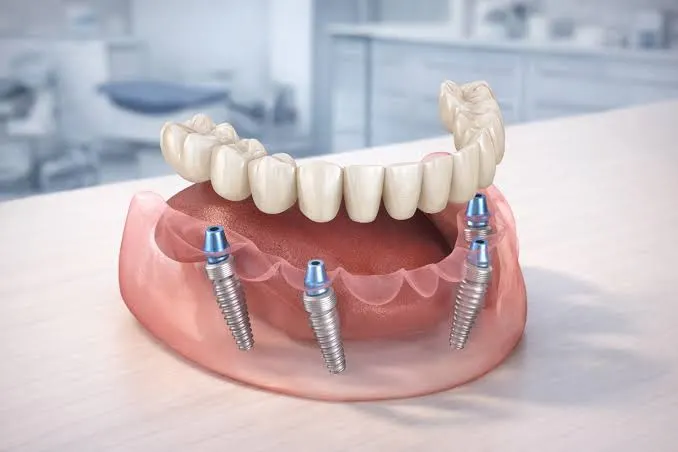
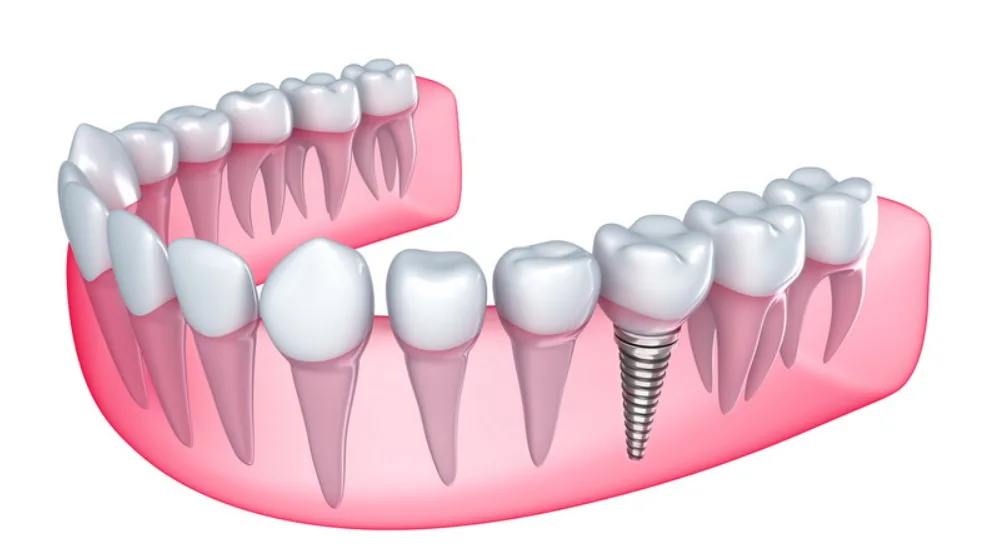
In dental implantology, surgical procedures are not just about placing a mechanical part in place of a missing tooth, but a delicate biological process that allows living bone tissue to accept a biocompatible material. Kahramanmaraş implant surgery is performed according to international protocols (ITI – International Team for Implantology) standards, thanks to the developing healthcare infrastructure and expert medical staff in the region.
Implant surgery is a micro-surgical procedure that must be performed in clinical environments where the sterilization chain is not broken and aseptic conditions are ensured. The key to success is the correct indication (the right treatment for the right patient) and an atraumatic (tissue-friendly) surgical approach. Now let’s delve into the technical details of this process.
Pre-Operative: Radiological Analysis and Surgical Planning
The foundation of a successful implant surgery is laid before the patient sits in the chair. In well-equipped clinics in Kahramanmaraş, the use of pre-surgical “Dental Volumetric Tomography” (CBCT) is becoming a standard procedure. Unlike two-dimensional X-rays, tomography presents the width, height, and density of the bone (D1, D2, D3, D4 bone types) to the surgeon in three dimensions.
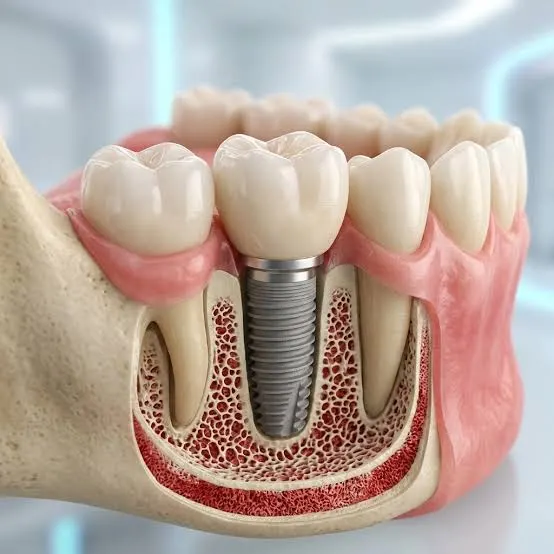
At this stage, the surgeon determines the location of critical anatomical structures such as the mandibular canal (lower jaw nerve) and the maxillary sinus (upper jaw cavity). The length, diameter, and placement angle of the implant are planned with millimeter precision on this digital data. This planning is the most important factor in minimizing the risk of encountering surprises during the operation.
Surgical Stages: Step-by-Step Implantation
The anxiety patients feel about the word “surgery” usually stems from the uncertainty of the process. Implant surgery is a procedure performed under local anesthesia and is generally less traumatic for the patient than tooth extraction.
1. Anesthesia and Incision
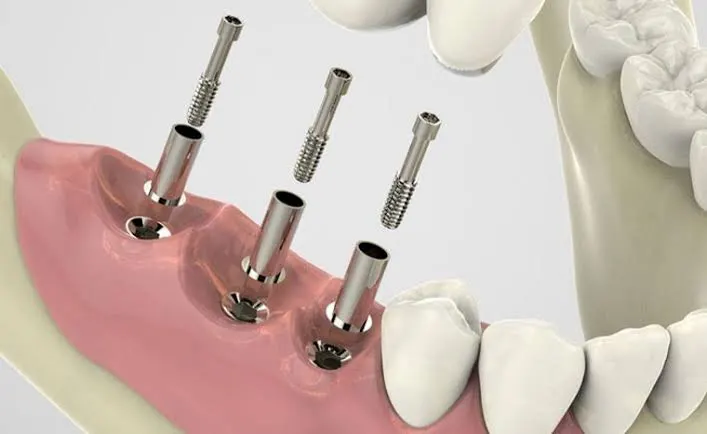
Complete numbness is achieved with local anesthesia applied to the surgical area. Then, the surgeon lifts the gum tissue (gingiva) using a method called a “flap” to visualize the bone tissue. In some suitable cases, the “Flapless” technique, known as the sutureless method, can be used to perform the procedure directly on the bone without opening the gum.
2. Osteotomy (Socket Preparation)
The socket where the implant will be placed is opened gradually with special titanium milling sets. The critical point here is the “cooled working” principle. Heating of the bone during the procedure (above 47 degrees Celsius) can cause bone cell death (osteonecrosis). Therefore, in implant surgery applications in Kahramanmaraş, bone vitality is preserved by continuous irrigation (washing/cooling) with saline solution.
3. Implant Placement and Primary Stability
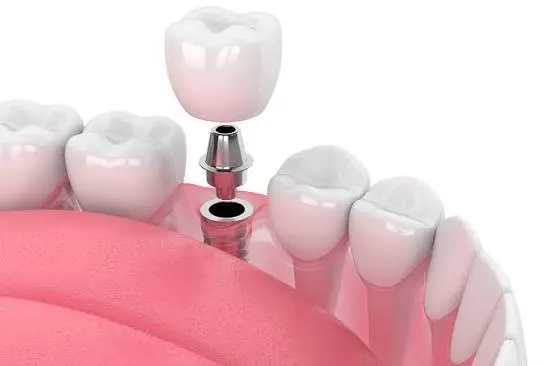
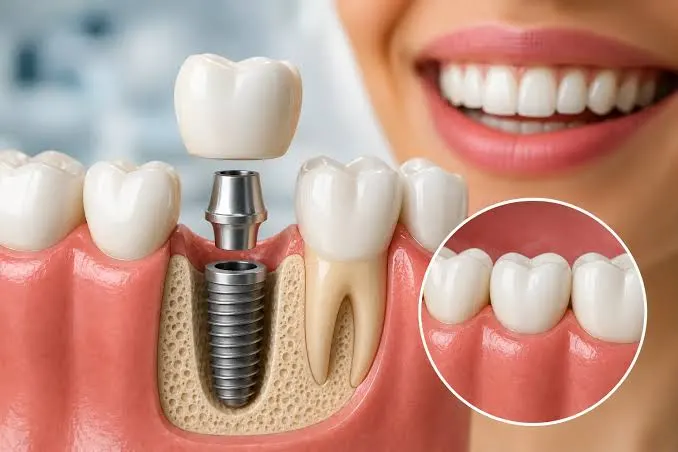
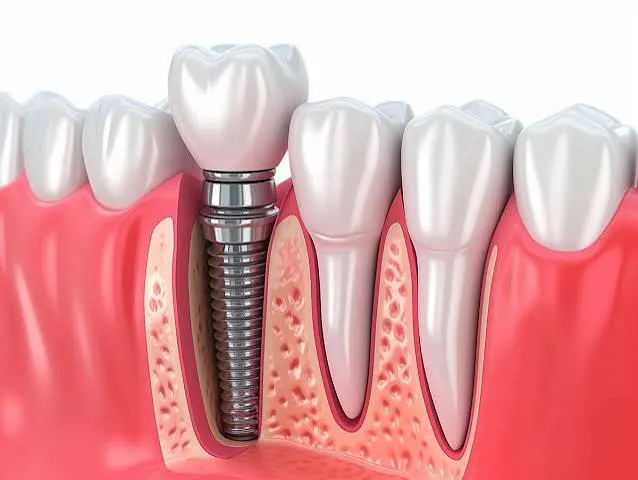
After the socket is prepared, the implant, removed from its sterile package, is screwed into the bone. The resistance felt by the surgeon at this stage is called “Primary Stability” (Initial Attachment). How tightly the implant is attached to the bone is measured with a torque wrench (usually between 30-45 Ncm). Sufficient tightness is essential for a healthy start to the healing process.
Advanced Surgical Techniques: Solutions for Bone Deficiency
Not every patient may have the ideal bone volume for an implant. Bone resorption can occur, especially if a long time has passed since tooth loss. In such cases, advanced surgical techniques applied in Kahramanmaraş come into play. The following table describes these additional procedures comparatively:
| Surgical Procedure | Application Area | Technical Description |
|---|---|---|
| Sinus Lifting | Post-Maxillofacial Region | This procedure involves lifting the sagging sinus cavity upwards, adding bone graft, and creating vertical space for the implant. It can be done with open or closed techniques. |
| GBR (Guided Bone Regeneration) | All Jaw Areas | If there is bone deficiency around the implant, new bone formation is ensured by placing a bone graft and a barrier membrane protecting this graft in the area. |
| Split Osteotomy (Bone Widening) | Narrow Bone Ridges | In cases where the bone is very thin, the bone is gently divided into two with special instruments, widened, and an implant is placed in between. |
Post-Operative Period and Healing Protocols
The process that begins after the surgical procedure is the process of the body accepting the implant. The rules that the patient must follow during this period are vital for the continued success of the surgery. Considering the dietary habits of the Kahramanmaraş region, the following points should be particularly noted by patients:
- First 24 Hours: The tampon should be bitten down to control bleeding; spitting and rinsing should be avoided. Apply an ice compress to the area externally to reduce edema (swelling).Its formation should be prevented.
- Nutrition: During the first week following implant surgery, hot, grainy, and hard foods should be avoided. Hot soups, an indispensable part of Kahramanmaraş cuisine, should be consumed lukewarm, and hard-shelled nuts and sticky sweets should be avoided.
- Hygiene: The surgical area should not be brushed for the period recommended by the doctor; instead, prescribed antiseptic mouthwashes should be used. Cleaning of other teeth should not be neglected.
- Smoking: Smoking disrupts blood flow in capillaries, delaying wound healing and increasing the risk of infection. Quitting smoking during the osseointegration process is medically recommended.
Clinical Note: “Implant Surgery” is a beginning, not an end. The biological integration of the implant with the bone (osseointegration) takes an average of 2-3 months in the lower jaw and 3-4 months in the upper jaw. This waiting period is necessary for the implant to reach the strength required to support the loads that will be placed on it.
Conclusion: The Importance of a Scientific Approach
Implant surgery in Kahramanmaraş is a treatment method that utilizes all the possibilities of modern medicine and has high success rates. However, this success depends on a combination of correct diagnosis, sterile surgery, and conscious patient care. Patients should be aware of the seriousness of surgical procedures, rather than perceiving them as a “quick solution” or “simple procedure,” and strictly adhere to the protocols determined by their physicians. This is the only way to obtain healthy teeth that they will use for a lifetime. It should be remembered that the best implant is the one that has been applied with correct surgical principles and well cared for.