
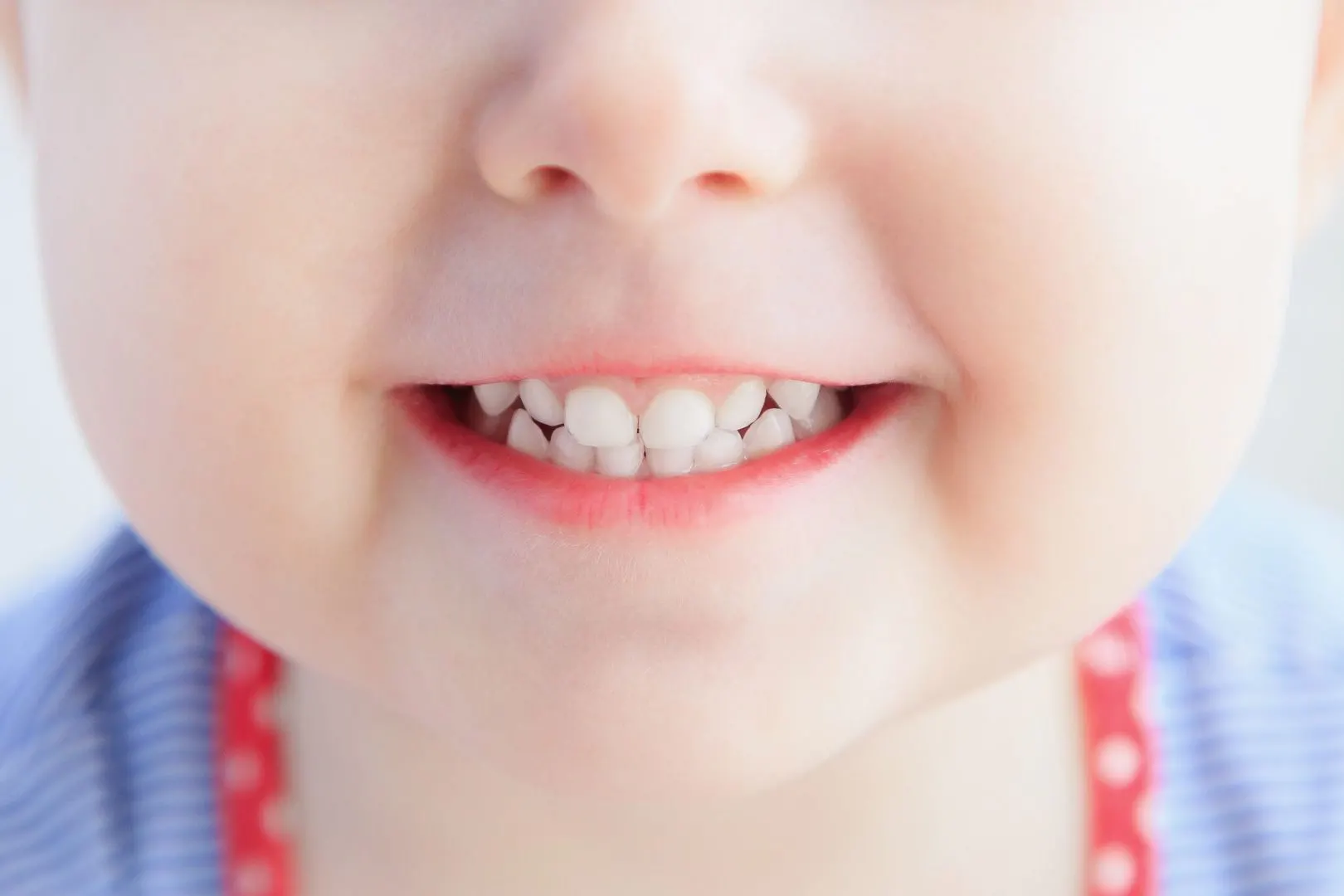
Children’s Dental Health in Kahramanmaraş
Childhood is the most critical stage in which the foundations of a person’s health legacy throughout their life are laid. Especially when it comes to oral and dental health, the habits acquired and medical interventions performed during this period directly determine the quality of life in adulthood. Children’s dental health in Kahramanmaraş requires a special approach blended with the region’s cultural dietary habits, the fluoride content of the water, and the awareness level of families. Many parents may fall into the misconception that “baby teeth are temporary” and may not take early caries seriously; however, scientific facts show that the impact of baby teeth on general health is much greater than imagined.
Why Are Baby Teeth Vital?
Baby teeth begin to erupt at approximately 6 months and remain in the mouth until the age of 12-13, being replaced by permanent teeth. In this long process, it is necessary to understand that baby teeth are not only “space maintainers” but also play a central role in the physical and social development of the child. Healthy baby teeth have three main functions:
- Nutrition and Growth: During a child’s growth period, they need to chew food effectively to obtain protein, vitamins, and minerals. Teeth that ache due to decay can cause the child to avoid chewing, become picky eaters, and consequently lead to nutritional deficiencies.
- Speech Development (Phonation): Correct pronunciation of sounds occurs through the contact of the tongue with the teeth. Early loss of front baby teeth, in particular, can cause the pronunciation of letters such as “f, v, s, z” to be distorted and lead to speech disorders.
Guidance to Permanent Teeth: Baby teeth determine the path for the permanent teeth that will erupt underneath them. If a baby tooth is extracted prematurely, the adjacent teeth shift into the space, and the place where the permanent tooth will erupt closes. This situation is the biggest factor that necessitates orthodontic (braces) treatment in the future.
Nutritional Habits and Cavity Risk in Kahramanmaraş
Kahramanmaraş is a city known for its rich culinary culture. However, frequent consumption of sticky and sugary foods such as ice cream, syrupy desserts, dried fruit paste, and sausage poses a serious risk factor for children’s dental health. Bacteria convert sugary foods into acid, attacking tooth enamel. Sticky foods, in particular, remain on the tooth surface for longer, prolonging the duration of the acid attack.
At this point, it is recommended that parents in Kahramanmaraş adopt a “manage” strategy instead of a “ban” strategy. Consuming sugary foods immediately after main meals and then brushing or at least rinsing with water is a simple but effective method that reduces the risk of cavities. Preventive Dentistry Practices
The main goal of pedodontics is not to treat, but to prevent. Preventive measures taken before cavities develop protect both the physical and psychological health of the child. The basic preventive methods applied in clinics in Kahramanmaraş are as follows:
1. Fissure Sealant
The chewing surfaces of molars have thin grooves (fissures) that even toothbrush bristles cannot reach. 80% of cavities start at these points. In the fissure sealant procedure, these grooves are sealed with a fluid filling material without any abrasion (drilling) of the tooth. This prevents food accumulation and minimizes the risk of cavities. It is a completely painless procedure. 2. Professional Fluoride Applications
Fluoride is a mineral that strengthens the structure of tooth enamel, making it more resistant to acid attacks. Under the supervision of a physician, it is applied in gel or varnish form at intervals determined according to the child’s cavity risk group (every 3 or 6 months). This procedure protects the tooth enamel like “armor”.
Differences Between Adult and Pediatric Dental Treatments
Because children’s anatomy and psychology differ from adults’, treatment protocols also differ. The following table summarizes these key differences:
| Feature | Adult Dentistry | Pediatric Dentistry (Pedodontics) |
|---|---|---|
| Filling Material | Usually Composite | Compomer or Glass Ionomer (Fluoride-releasing, moisture-resistant fillings). |
| Root Canal Treatment | Root canals are completely filled. | “Amputation” (Partial root canal treatment) is frequently performed; The goal is to keep the tooth in the mouth until it falls out. |
| After Tooth Extraction | Implant or Bridge | “Space Maintainer” appliances (to preserve the space until the permanent tooth erupts). |
| Approach | Rational Information | “Tell-Show-Do” technique and gamification. |
Important Warning to Parents:
When taking your child to the dentist, never say “Don’t be afraid, it won’t hurt at all” or “If you don’t behave, I’ll give you an injection.”Avoid phrases like, “It won’t hurt.” Even the word “it won’t hurt” creates the possibility of pain in the child’s mind. Instead, using positive and simple expressions like, “We’re going to count your teeth,” or “We’re going to clean the germs from your teeth,” makes the doctor’s job easier and prevents the child from developing a phobia.
Dental Trauma: Emergency Management
Children are active, and dental trauma due to falls/impacts is common. In trauma cases presented to Kahramanmaraş pediatric dental clinics, the first intervention is very critical. If your child’s permanent tooth is completely dislodged (avulsion), hold the tooth by the white part, not the root, do not wash it, and place it in a glass of milk and consult a doctor as soon as possible. If a baby tooth has been dislodged, do not try to put it back in (it may damage the underlying tooth), but be sure to have it checked by a doctor.
Space Maintainers: An Investment in the Future
If a baby tooth has to be extracted much earlier than its natural shedding time due to trauma or deep decay, Appliances called “space maintainers” should be made. These appliances preserve the space left by the extracted tooth and prevent neighboring teeth from tilting into that space. If space maintainers are not made, the child’s teeth will grow crooked in the future, and they will need long-term orthodontic treatment.
Conclusion: The Power of Regular Check-ups
In Kahramanmaraş, the most effective way to protect your children’s oral and dental health is to take precautions before problems escalate. The first dental check-up should be done when the first baby tooth erupts (approximately between 6 months and 1 year). This early visit allows the child to get used to the dentist and allows the parent to be educated about proper care. Remember, a healthy smile is the key to a confident future.







