Kahramanmaraş Orthognathic Surgery Clinic: Functional and Aesthetic Jaw Reconstruction with Dentocare
The most fundamental anatomical factor that determines the characteristic structure of the human face, breathing capacity, and chewing function is the harmony between the upper and lower jaws. In a healthy biomechanical system, the teeth come together perfectly, the lips close effortlessly, and the jaw joint moves smoothly. However, due to genetic inheritance, developmental factors, or early-life trauma, skeletal irregularities such as a lower jaw positioned too far forward/backward or an upper jaw that is sagging or asymmetrical may occur. These types of skeletal malocclusions are structural problems too complex to be resolved with orthodontic braces alone. For patients seeking a Kahramanmaraş orthognathic surgery clinic, Dentocare Clinic offers advanced treatment protocols that reconstruct facial anatomy both functionally and aesthetically through the perfect coordination of orthodontists and maxillofacial surgeons.
Orthognathic surgery (commonly known as jaw surgery) is a specialized field that patients often consider a “major decision” and requires thorough research. For individuals who need this treatment due to breathing difficulties (sleep apnea), chronic jaw joint (TMJ) pain, or aesthetic concerns, it is vital to carry out the process in a reliable clinic with strong technological infrastructure. At Dentocare Clinic, our goal is to eliminate chewing, breathing, and speech difficulties while creating a highly natural, balanced, and aesthetic facial profile.
In Which Cases Is Orthognathic Surgery (Jaw Surgery) Planned?
Orthognathic surgery is indicated in cases where not only the teeth but also the jawbones themselves are improperly positioned. Dentocare Clinic specialists typically plan this surgery for patients who have completed their growth period (after bone development has stopped) to address the following skeletal conditions:
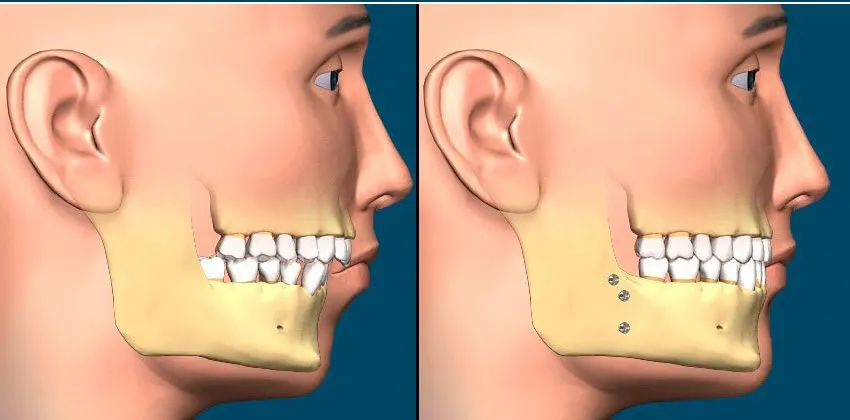
- Prognathism (Forward Jaw) or Retrognathism (Receding Jaw): One of the most common skeletal developmental disorders affecting the facial profile and impairing biting and chewing functions.
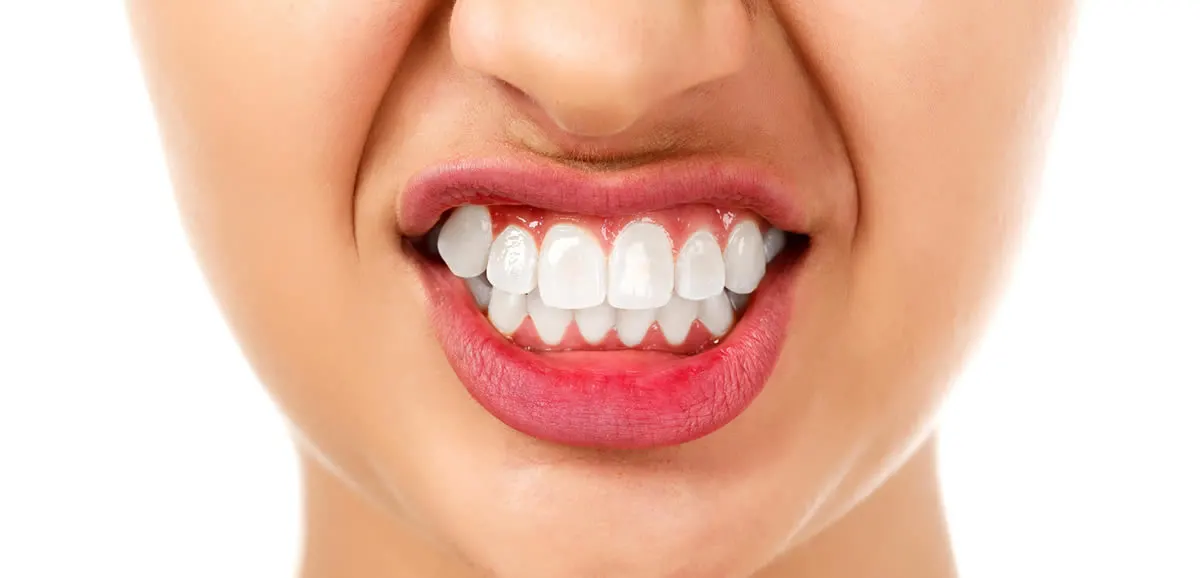
- Open Bite: A condition where the back teeth make contact, but there is a visible gap between the front teeth. This leads to difficulty closing the mouth fully, mouth breathing, and speech disorders (articulation problems).
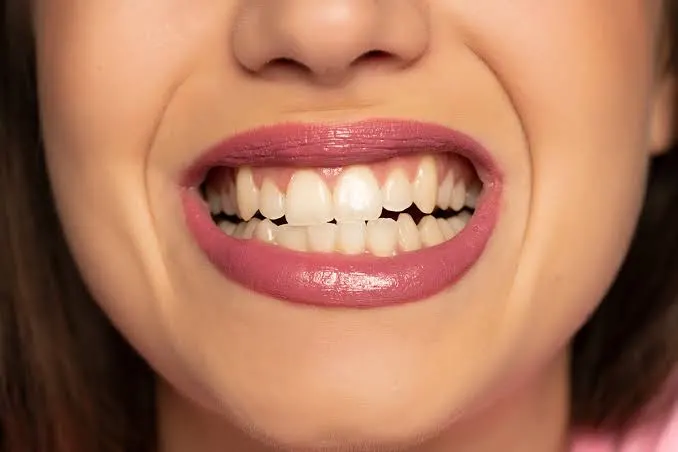
- Gummy Smile and Excessive Upper Jaw Growth: A condition in which the upper jaw grows excessively in the vertical direction, causing excessive gum visibility when speaking or smiling.
- Severe Facial Asymmetry and Sleep Apnea: Asymmetrical jaw development can cause aesthetic concerns, while narrow or retruded jaw structures can restrict the airway, leading to snoring and serious sleep apnea syndromes.
How Does the Multidisciplinary Treatment Process Progress at Dentocare Clinic?
Orthognathic surgery is not a one-day decision or a single-session procedure. It requires months of teamwork between an orthodontist and a maxillofacial surgeon (multidisciplinary approach). At our clinic in Kahramanmaraş, we follow a transparent and structured treatment journey:
Stage 1: 3D Digital Analysis and Orthodontic Preparation (Pre-Surgery)
In the first step, your facial skeleton is scanned using 3D Volumetric Tomography (CBCT), and millimetric analyses are performed. Before surgery, orthodontic treatment (braces or clear aligners) is applied to correct the positioning of the teeth within the jawbone (decompensation). This process usually takes between 6 to 18 months depending on the complexity of the case.
Stage 2: Virtual Surgical Planning (Mock Surgery)
Once the teeth reach the desired position, specialized 3D software is used to plan how much the jaws will be moved forward, backward, or upward during surgery. This ensures precision and allows prediction of the patient’s post-operative facial profile.
Stage 3: Surgical Procedure and Healing
The operation is performed under general anesthesia in a fully equipped operating room by our expert maxillofacial surgeons. Since all incisions are made inside the mouth, there are no visible external scars. After a 1–2 day hospital stay, the healing process begins as the bones adapt to their new positions.
Differences Between Orthodontics and Orthognathic Surgery
Many patients hope that jaw irregularities can be corrected solely with braces. However, skeletal misalignments and dental crowding are different disciplines. You can review the differences below:
| Evaluation Criteria | Orthodontic Treatment Only (Braces/Aligners) | Orthognathic Surgery (Surgical Treatment) |
|---|---|---|
| Target Area | Corrects only the alignment and angles of teeth within the jawbone. | Changes the position of the upper and lower jawbones relative to the skull. |
| Indications | Mild to moderate crowding, spacing, and minor bite issues. | Severe open bite, asymmetry, and sleep apnea cases involving skeletal structures. |
| Effect on Facial Profile | Limited effect on soft tissue; does not significantly alter facial structure. | Creates a dramatic and aesthetic transformation in both profile and frontal view. |
| Age Limit | Applicable to both growing children and adults. | Planned after jaw growth is fully completed (around 18–20 years). |
The Right Address for a New Breath and a Perfect Expression
Orthognathic surgery is a life-changing treatment that can eliminate chronic fatigue caused by sleep apnea, allow you to bite and chew comfortably, and help you achieve balanced facial proportions. After surgery, speech becomes clearer, mouth breathing is replaced by healthy nasal breathing, and jaw joint discomfort is significantly reduced. Dentocare Clinic stands by your side at every step of this long and meticulous journey with its expertise, medical infrastructure, and transparent patient approach.
Take the First Step Toward a Healthy Jaw Structure
You don’t have to live with chewing difficulties and aesthetic concerns for a lifetime. By applying to Dentocare Clinic in Kahramanmaraş, which offers advanced digital dentistry and expert surgical care, you can evaluate your condition with 3D tomography and learn the most suitable orthognathic treatment plan for your facial anatomy.