Kahramanmaraş Implant Dental Treatments
Aesthetic Reconstruction and Chewing Function Rebuilt with Titanium Biocompatibility under the Expertise of Dentocare Clinic
The Biological Impact of Tooth Loss and Innovative Approaches
In human anatomy, each tooth is not only a tool used to grind food, but also part of a complex system that keeps the jawbone alive by mechanically stimulating it. When a tooth is lost due to trauma, advanced decay, or periodontal tissue loss, the bone tissue in that area is deprived of chewing pressure. This situation initiates a physiological process referred to in medical literature as “atrophy,” which results in the gradual loss of jawbone volume over time. This volumetric decrease in the jawbone not only disrupts intraoral dynamics, but also paves the way for collapses in the facial profile resembling signs of aging due to the loss of lip and cheek support. At this point, Kahramanmaraş implant dental treatments, which are accepted as the gold standard in replacing missing teeth, come into play. By applying the most advanced reconstructive treatment models offered by modern dentistry, Dentocare Clinic aims to preserve both the functional and aesthetic integrity of its patients.
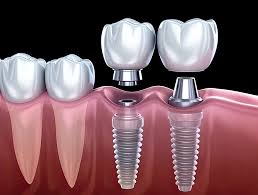
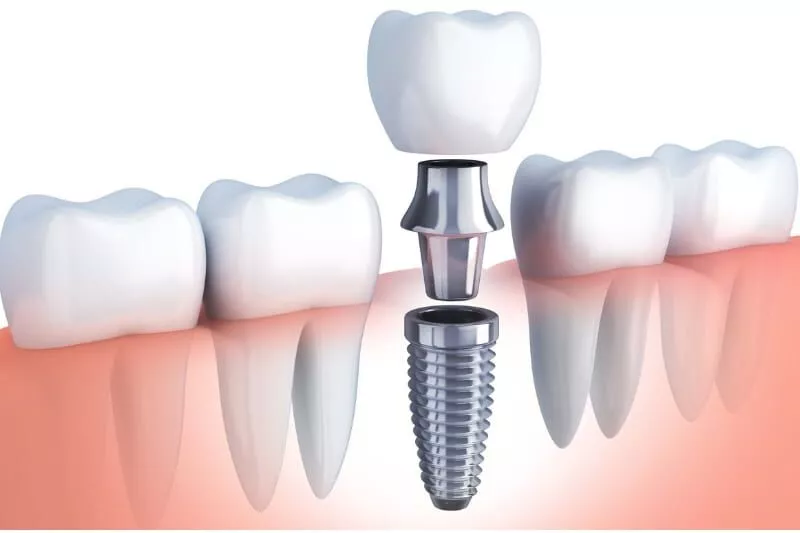
Implant dental treatments, in their simplest definition, are the surgical placement of specially designed tissue-friendly materials into the jawbone to replace the lost natural tooth root. This procedure is far more than an ordinary prosthetic application; it is a process of biological integration. In the treatments performed at Dentocare Clinic, high-purity titanium alloys that eliminate the risk of tissue rejection are used. The cellular bond established by titanium with human bone cells creates a supporting infrastructure as strong as a natural tooth root. Zirconium or porcelain crowns built on this solid foundation provide perfect visual and functional harmony with the patient’s other healthy teeth.
Complete Biocompatibility
The titanium material used is not perceived as a foreign substance by the body’s immune system. Bone cells adhere to the titanium surface and form a strong network at the microscopic level.
Anatomical Preservation
Unlike traditional methods, there is no need to touch the healthy teeth next to the gap. The treatment is completed while preserving the natural enamel and dentin tissue 100%.
Treatment Stages Carried Out Meticulously at Dentocare Clinic
The basis of a successful implant treatment lies in the correct analysis of the patient’s existing clinical condition and the creation of a personalized, millimetric surgical plan. At Dentocare Clinic, each patient is included in a unique treatment path tailored to their anatomical boundaries rather than a standard procedure. Every step of the application is carried out with maximum sterilization and patient comfort in mind.
- Advanced Imaging and Diagnosis: With digital 3D volumetric tomography, the width of the jawbone, the position of nerve tissues, and the sinus cavities are analyzed in three dimensions. This stage is the most critical step that eliminates surgical surprises.
- Surgical Preparation (Bone Grafting): In areas where bone loss has occurred as a result of long-term tooth loss, the tissue is thickened with bone graft applications in order to create a healthy foundation to which the implant can attach.
- Placement of the Implant into the Jawbone: Under local anesthesia, titanium roots are placed into their sockets in the jawbone at preplanned angles and with the guidance of surgical guides. The procedure is generally quite comfortable.
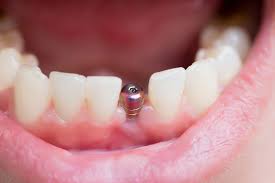
- Osseointegration (Fusion) Process: Depending on the case, a healing period of 2 to 4 months is expected for the titanium screw to integrate with the jawbone at the cellular level. During this process, aesthetic infrastructure is prepared using gum shapers.
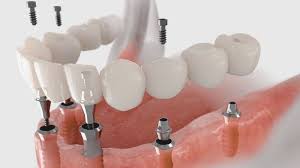
- Prosthetic Restoration: Once healing is complete, the superstructure prostheses (crowns), prepared in the laboratory in harmony with the patient’s facial contours, smile line, and tooth color, are fixed onto the implant.
Comparative Analysis of Treatment Methods for Missing Teeth
Our patients naturally need a detailed comparison when choosing the most accurate and healthy treatment method for themselves. Dentocare Clinic specialists present the structural differences between methods that permanently support oral health and traditional methods that offer temporary solutions in the light of scientific data. In the table below, you can transparently review the differences between implant dental treatments and other prosthetic options.
| Clinical Factors | Implant Dental Treatment | Traditional Bridge Restoration | Removable Palatal Dentures |
|---|---|---|---|
| Effect on the Jawbone | It stops bone loss by stimulating the bone and supports the physiological structure. | Bone loss continues in the bone tissue remaining under the pontic. | Because it puts pressure on the tissue surface, it may accelerate bone destruction. |
| Condition of Surrounding Teeth | Adjacent teeth are completely independent from the procedure and suffer no damage. | It is mandatory to cut down the healthy teeth on the sides to gain support. | The clasps providing retention may wear down the supporting teeth over time. |
| Chewing Performance | It offers chewing comfort exactly the same as natural tooth performance. | It is highly effective but places excessive load on the adjacent teeth. | Force distribution is low, and there is a risk of movement with hard foods. |
| Aesthetic Integration | It emerges from the gum in a way similar to a natural tooth, providing high aesthetics. | Depending on the metal used, darkening may occur at the gum line. | Metal clasps may cause aesthetic loss when smiling. |
Healing Period and Long-Term Maintenance Management
The most fundamental factor determining the lifespan of the applied implant is not only the success of the surgical operation, but also the patient’s compliance and oral care sensitivity after the procedure. After implant dental treatments performed at Dentocare Clinic, our patients are provided with a detailed medical prescription and nutritional guide to ensure that the healing period passes as comfortably as possible. Mild swelling that may occur during the first few days after the procedure can easily be controlled with cold compress applications.
For long-term success, it is essential to keep the gum tissue surrounding the artificial roots (peri-implant mucosa) free from inflammation. Although the bacteria that cause decay in natural teeth cannot damage the implant surface, they can cause infection in the bone and gum surrounding the implant (peri-implantitis), leading to treatment failure. For this reason, in addition to brushing their teeth regularly in the morning and evening, it is vital for our patients to clean the base of the prostheses using dental floss, interdental brushes, and oral irrigators. In addition, staying committed to the periodic X-ray and tartar cleaning appointments determined by our dentists is the key to trouble-free use.