Kahramanmaraş Implant Center
Advanced Surgical Technologies, Multidisciplinary Approach, and Biocompatible Treatment Protocols with Dentocare Clinic
The Definition of an Implant Center and the Multidisciplinary Approach
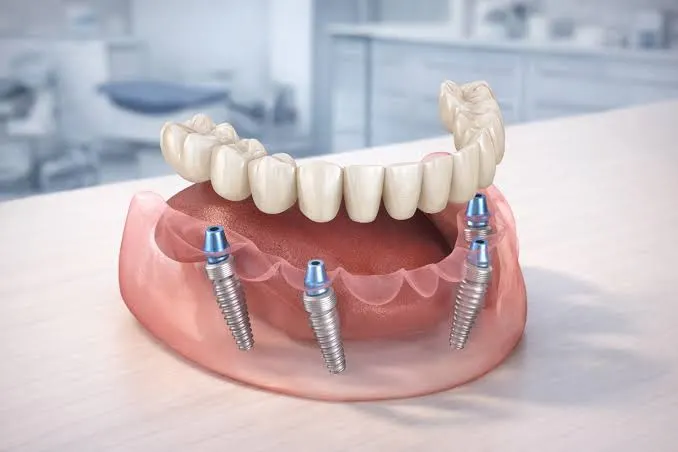
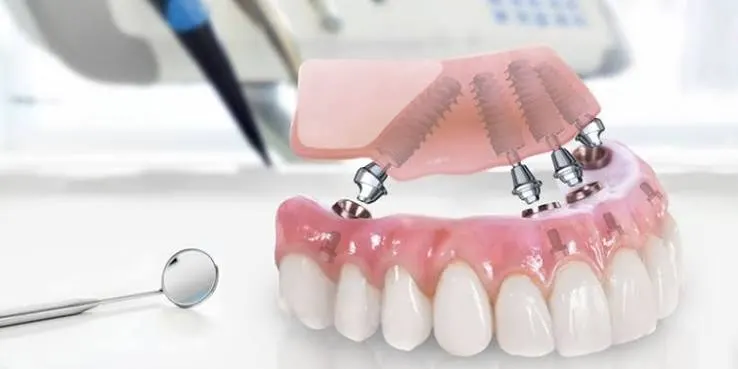
The replacement of missing teeth is not merely the procedure of filling an aesthetic gap; it is an extremely complex reconstructive medical intervention involving the chewing system, jaw joint (TMJ), facial muscles, and bone biology. For this reason, a successful and long-lasting implant treatment requires a much more comprehensive infrastructure, advanced imaging technologies, and sterile surgical environments than a standard dental examination. Positioned as a Kahramanmaraş implant center, Dentocare Clinic transforms the treatment of missing teeth from the individual effort of a single physician into an institutional, technological, and multidisciplinary consultation process.
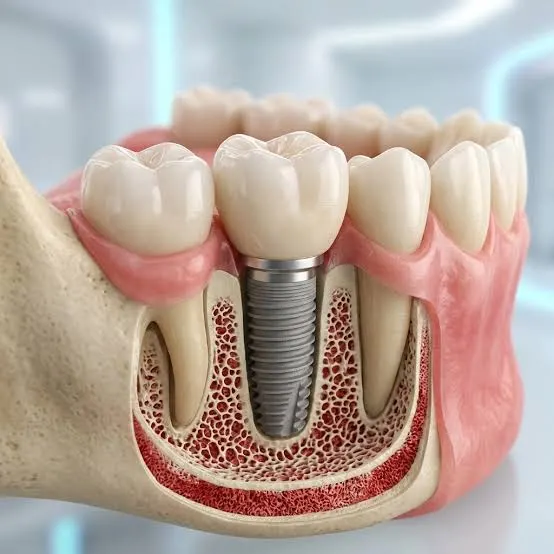
For a healthcare institution to carry the quality of a “center,” it must be able to perform all processes from diagnosis to surgery, from prosthetic loading to long-term patient follow-up within its own structure in accordance with international medical standards. At Dentocare Clinic, from the moment our patients step inside, they undergo a holistic evaluation focused not only on their missing teeth but also on their overall oral and jaw health. In the treatments performed, high-quality implant systems based on pure titanium, which show perfect cellular compatibility with the human body, are preferred. While this approach eliminates undesirable scenarios such as tissue rejection, it also lays the foundation for a physiological healing process that preserves the natural form of the jawbone.
Advanced Technology and Integration of Digital Dentistry
The secret of success in implant surgery lies not only in the physician’s experience but also in the millimetric precision of the technology used. Acting with the vision of being a reference clinic in Kahramanmaraş, Dentocare Clinic meticulously applies “Digital Dentistry” protocols in order to reduce the margin of error in treatment planning to zero. The technological stages that ensure our patients’ comfort and the medical safety of the operation in our center are as follows:
- 3D Volumetric Tomography (CBCT)
Unlike standard two-dimensional X-rays, it scans the volume and thickness of the jawbone and the depth of nerve tissues in three dimensions. Which millimeter of the bone will be intervened upon is determined digitally before the operation. - Digital Surgical Guides
Thanks to personalized templates prepared in light of tomography data, titanium screws are placed into the jawbone at the most ideal angle while creating minimal trauma to surrounding tissues. This significantly reduces post-procedural swelling and edema. - Intraoral Digital Scanners
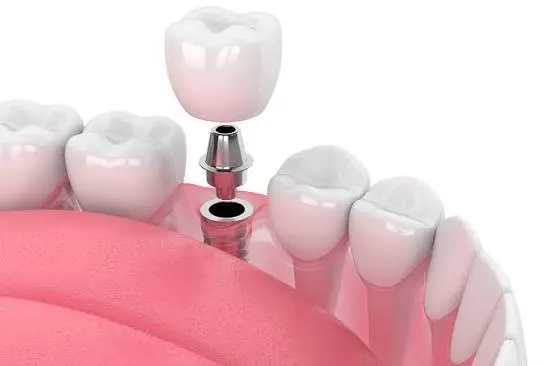
After the implant has completed its integration with the bone, instead of conventional putty impressions, the inside of the mouth is mapped within seconds using optical cameras. This data is transmitted instantly to the laboratory, where perfectly fitting zirconium or porcelain crowns are designed. - Advanced Sterilization Protocols
An implant is a surgical procedure. The autoclave systems used in our center and the climate control infrastructure that filters airborne particles offer international sterilization standards that eliminate the risk of infection.
The Differences Between an Implant Center and a Standard Clinic Approach
For individuals who want to replace their missing teeth, choosing the right clinic is a vital decision that directly affects the lifespan of the treatment. Below is the clinical evaluation table we have prepared so that you can more clearly see the structural and infrastructural differences between the comprehensive center approach offered by Dentocare Clinic and standard practices:
| Evaluation Criterion | Dentocare Implant Center Approach | Standard Dental Office Approach |
|---|---|---|
| Imaging and Diagnosis | Millimetric depth, bone density, and nerve mapping are performed with 3D Tomography within the clinic. | It is generally limited to 2D panoramic X-rays, and patients may be referred to outside centers for detailed tomography. |
| Surgical Planning | A computer-assisted operation is designed with digital surgical guides, leaving no room for surprises. | Manual (freehand) placement is generally applied based more on the physician’s instant experience and observation. |
| Advanced Surgical Capacity | Operations such as grafting (bone powder) and sinus lifting are routinely performed in cases of bone insufficiency. | In complex cases with advanced bone loss, external support from a maxillofacial surgeon may be required. |
| Sterilization and Hygiene | There are isolated operation rooms dedicated to surgery and high-level medical autoclaving systems. | Procedures are performed in standard units where general dental treatments are carried out. |
Post-Treatment Phase: Long-Term Follow-Up and Biological Compatibility
At Dentocare Clinic, implant treatment is not a short-term procedure that ends with the placement of the screw into the bone and the attachment of the tooth on top. Real success is measured by this biocompatible material remaining in the patient’s mouth problem-free for decades. After the cellular fusion (osseointegration) phase between the titanium surface and the jawbone is completed, the most important responsibility falls on the patient’s oral care routine. Although artificial roots do not decay from bacterial acids like natural teeth, the surrounding gums (peri-implant tissues) are extremely sensitive to plaque accumulation.
Every patient whose treatment is completed in our center is included in a special post-operative follow-up program. Proper toothbrushing techniques, the use of interdental brushes, and oral irrigators are explained in practice. Necessary medical warnings are carefully given regarding the use of tobacco products, which slow down the healing process and pave the way for bone loss around the implant. During the periodic check-ups that our patients undergo every six months, bone levels are measured with digital X-rays, and professional periodontal cleaning is performed to support the biological lifespan of the implants. When a healthy diet, regular oral hygiene, and physician supervision come together, dental implants turn into a lifelong investment that keeps you smiling.