Kahramanmaraş Implant Examination
The First Step You Will Take for the Treatment of Your Missing Teeth at Dentocare Clinic: A Transparent, Scientific, and Holistic Health Evaluation
The Most Critical Stage of Treatment: The First Encounter and Diagnosis
The idea of surgically replacing missing teeth may appear to many patients as a process full of uncertainties and, at times, anxiety. Although online research may provide a general idea, due to the unique nature of human anatomy, no treatment prototype is exactly the same as another. For this reason, the foundation of a successful and long-lasting maxillofacial surgery procedure is laid during a transparent and comprehensive initial examination supported by digital data. The moment you step into Dentocare Clinic for a Kahramanmaraş implant examination, a medical evaluation process begins that focuses not only on the gap in your mouth, but also on your biological, systemic, and psychological integrity.
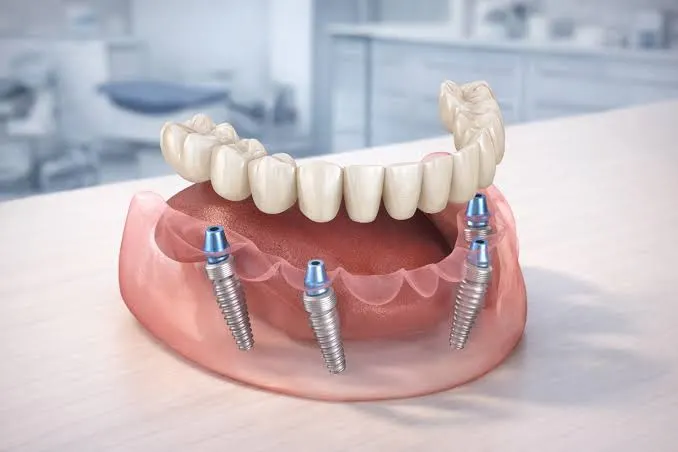
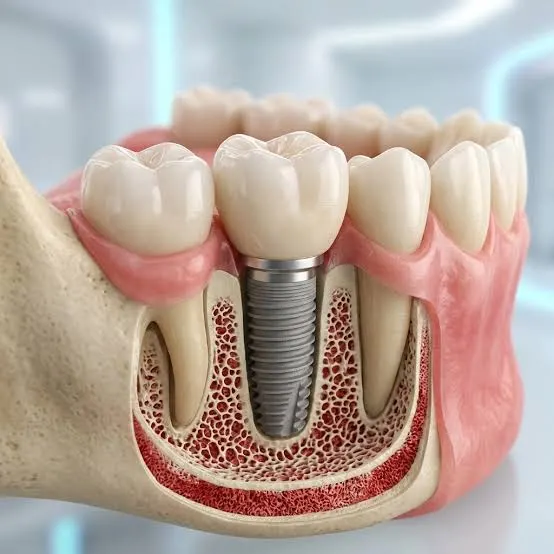
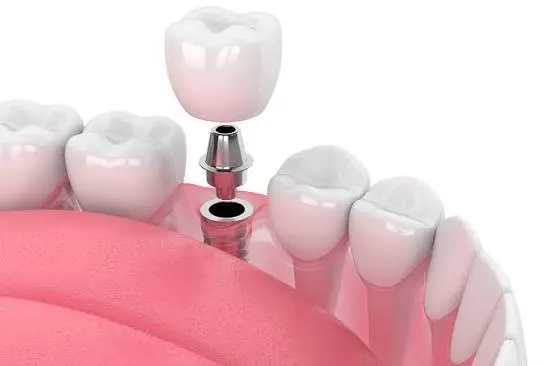
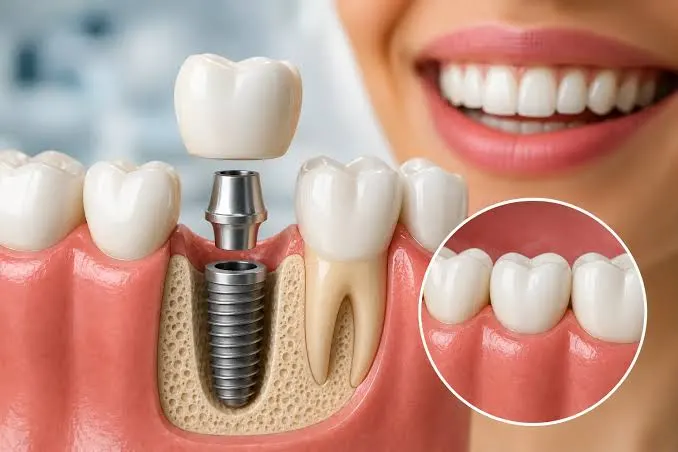
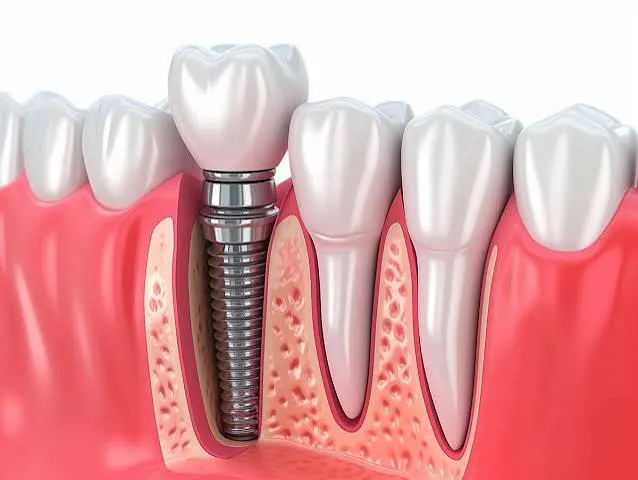
An implant examination is structurally very different from a conventional dental check-up. The primary purpose of this consultation is to determine whether your jawbone can accept a titanium artificial root, to map possible anatomical risks in advance (such as nerve pathways and sinus cavities), and to identify the prosthetic option that best suits your daily life. During this initial assessment, our dentists listen to you not as “a case,” but as an individual with a medical history and aesthetic expectations. By answering your questions in a clear and understandable manner, free from excessive medical jargon, all uncertainties regarding the treatment are removed from your mind.
What Are the Steps of a Comprehensive Implant Examination?
When you come to our clinic with an appointment, you undergo not a simple observation, but a multidisciplinary chain of analysis defined by clear protocols. The main examination stages we apply for a detailed and error-free diagnosis are as follows:
- Medical Anamnesis (Systemic Health History)
Your chronic conditions that directly affect jawbone healing (such as diabetes, hypertension, osteoporosis, etc.), the medications you use regularly (especially blood thinners or bisphosphonates), and your allergies are recorded in detail by our dentist. This step is of vital importance for the safety of the surgical procedure. - Clinical Intraoral Evaluation
Not only the missing tooth area, but also all soft tissues in your mouth (gum health), the condition of adjacent teeth, any existing decay, and your bite (chewing) disorders are physically examined. The width of the implant site, the thickness of the gum tissue, and the distance to the opposing jaw are evaluated. - 3D Radiological Scan (Volumetric Tomography – CBCT)
This is indispensable in an implant examination. Bone density, the width of the jawbone, and the millimetric location of the nerve canals passing through the lower jaw—details that cannot be identified merely by visual inspection or two-dimensional imaging—are mapped through three-dimensional tomography. - Personalized Treatment and Budget Planning
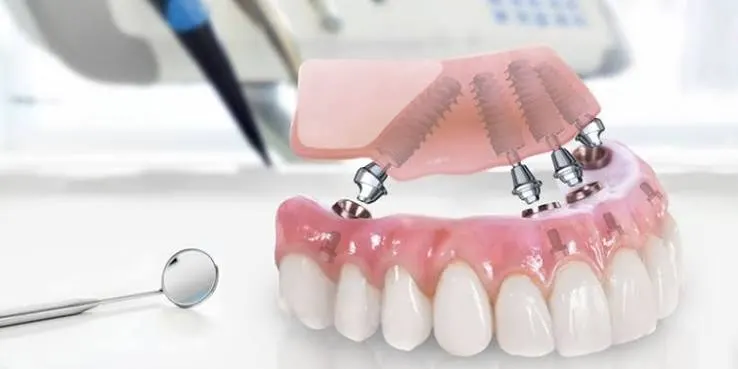
In light of all collected clinical and radiological data, your dentist evaluates the situation together with you on screen. Whether bone grafting is needed, how many implants will be placed, and the type of porcelain/zirconia prosthesis to be attached are decided. The process is completed by transparently presenting the treatment schedule and cost planning.
The Difference Between a Dentocare Clinic Examination and Standard Check-Ups
Our patients often think, “Wouldn’t it be enough to get an X-ray at any clinic and receive a price quote?” However, in an irreversible procedure such as maxillofacial surgery, the depth of the examination determines the fate of the treatment. You can see the differences between a Dentocare Clinic examination and superficial assessments in the table below:
| Evaluation Criteria | Dentocare Comprehensive Implant Examination | Standard (Superficial) Dental Examination |
|---|---|---|
| Imaging Technology | The bone’s 360-degree depth and density are analyzed with 3D Dental Tomography. | Only width and length are estimated with a 2D panoramic X-ray. |
| Systemic Approach | The entire medical history, including conditions such as diabetes and hypertension, is reviewed before surgery. | Focuses only on the local oral condition, and systemic risks may be overlooked. |
| Risk Management | Issues such as sinus sagging or nerve proximity are diagnosed and preventive measures (such as grafting) are planned immediately. | There is a high likelihood of encountering unexpected bone insufficiencies during the operation. |
| Patient Information | The situation is visually explained to the patient on the tomography screen, together with medical reasoning. | Only a brief verbal evaluation and information about the material to be used are provided. |
Dental Phobia and Psychological Comfort
Many of our patients, although they have had missing teeth for a long time, avoid coming for an examination due to fear of the dentist (dental phobia). At Dentocare Clinic, no surgical procedure is performed during your first examination appointment. This appointment is entirely a session of getting acquainted, painlessly analyzing your jaw structure with digital devices, and discussing treatment options with you. In the spacious environment of our clinic and with the compassionate approach of our experienced dentists, you will leave your fears behind and realize that the process is not as exhausting as imagined, but rather a highly controlled and comfortable medical journey.