Kahramanmaraş Implant Dental Applications
Minimally Invasive Maxillofacial Surgery Practices Performed with Digital Precision and Biological Compatibility at Dentocare Clinic
The Importance of Clinical Precision in Implant Applications
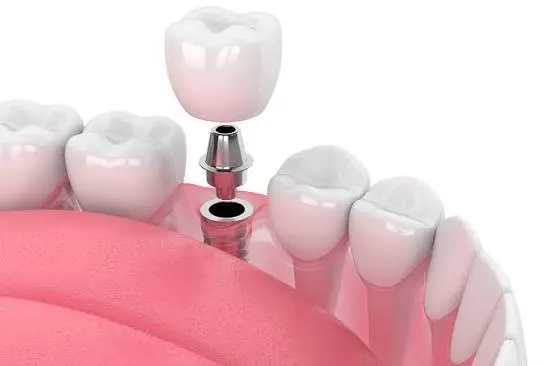
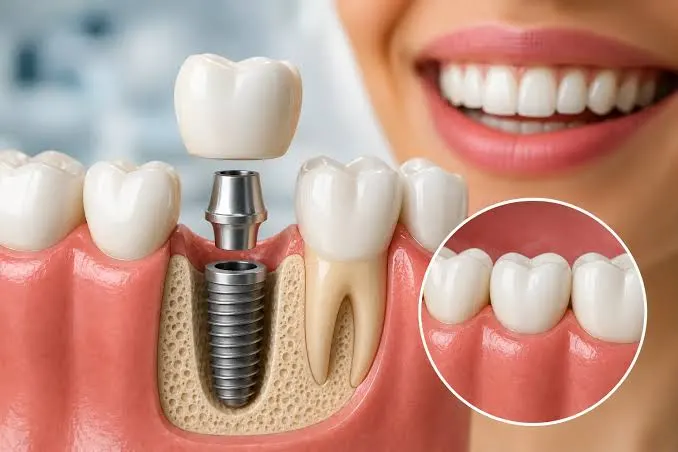
Dental implants, which represent the most advanced technological solution for replacing missing teeth, may be perfectly manufactured; however, the real key to success lies in how these materials are applied to the jawbone. Beyond a simple screw placement, this process—where human biology and mechanics merge—requires a high level of medical expertise and surgical discipline. As a leading healthcare provider in the field of Kahramanmaraş implant dental applications, Dentocare Clinic analyzes each patient’s bone structure at a micro level and implements the most tissue-respectful, painless, and long-lasting surgical practices.
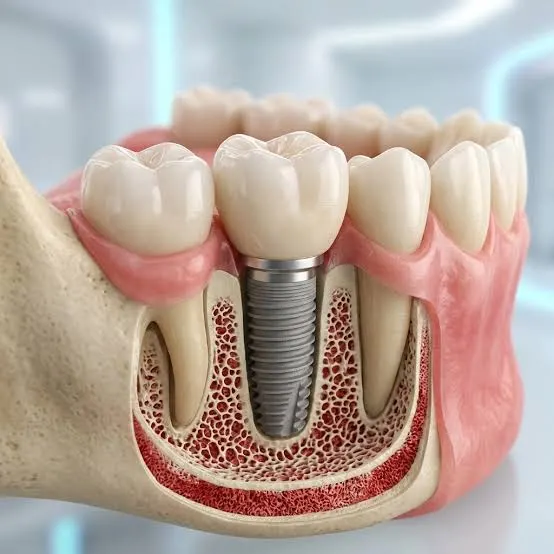
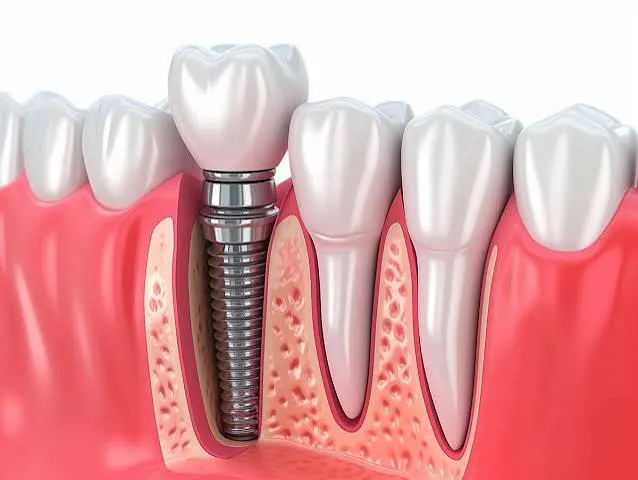
For an application to be considered successful, the titanium root placed into the jawbone must integrate perfectly with the surrounding tissues (osseointegration). This cellular fusion is only possible when the trauma applied to the bone during surgery is minimized. Our dentists carefully prepare the implant site using advanced physiodispenser devices that control heat, tissue-friendly surgical drills, and digital planning software. At Dentocare Clinic, the goal is not merely to fill a gap, but to reconstruct the chewing function in that area with stability as close as possible to a natural tooth.
Modern Techniques Applied at Dentocare Clinic
Each patient’s jaw anatomy and tooth loss scenario are different. For this reason, instead of a “one-size-fits-all” approach, our clinic uses various application methods tailored to the patient’s bone volume and aesthetic expectations:
- Application with Digital Surgical Guide
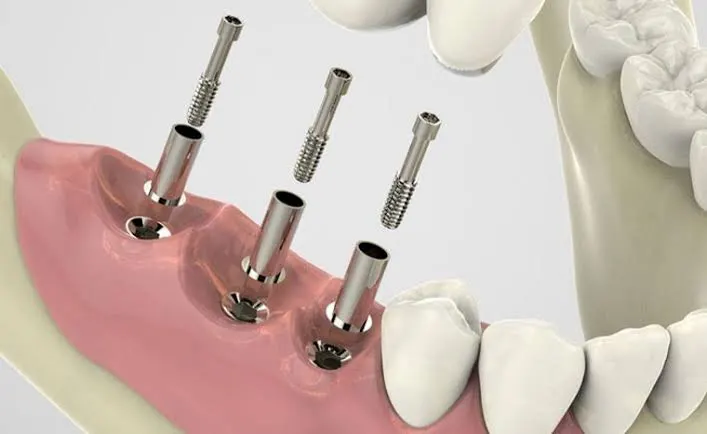
This is the most modern system, replacing traditional “free-hand” applications based on the dentist’s manual experience. With templates prepared on the computer using data obtained from 3D tomography, the titanium screw is placed into the bone at the exact planned angle and millimetric depth. It is the safest technique, eliminating the margin of error anatomically. - Flapless (Suture-Free / Closed) Implant Application
In cases where the patient’s bone thickness is suitable, the gum tissue is not cut or separated from the bone. With the help of digital guides, the procedure is performed by creating a small opening just the diameter of the implant. Since no sutures are required, the risk of post-operative swelling, bruising, and discomfort is minimal. - Same-Day (Immediate) Loading Applications
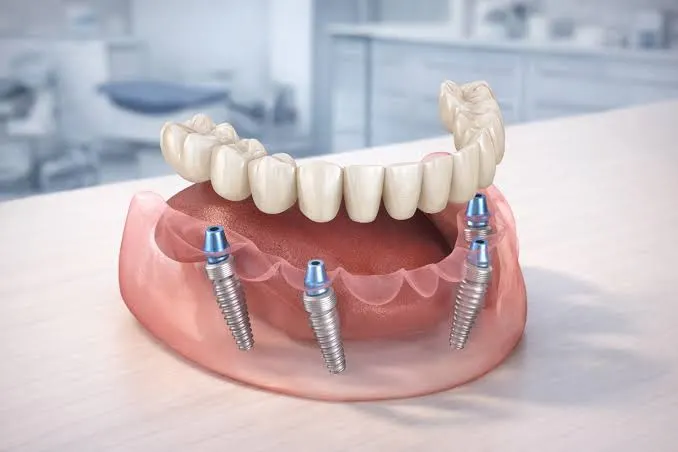
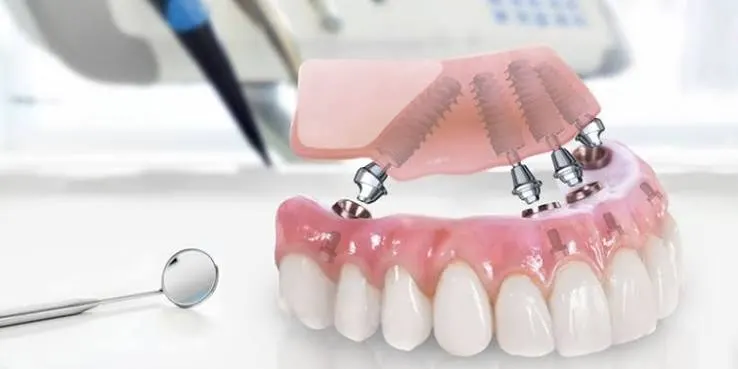
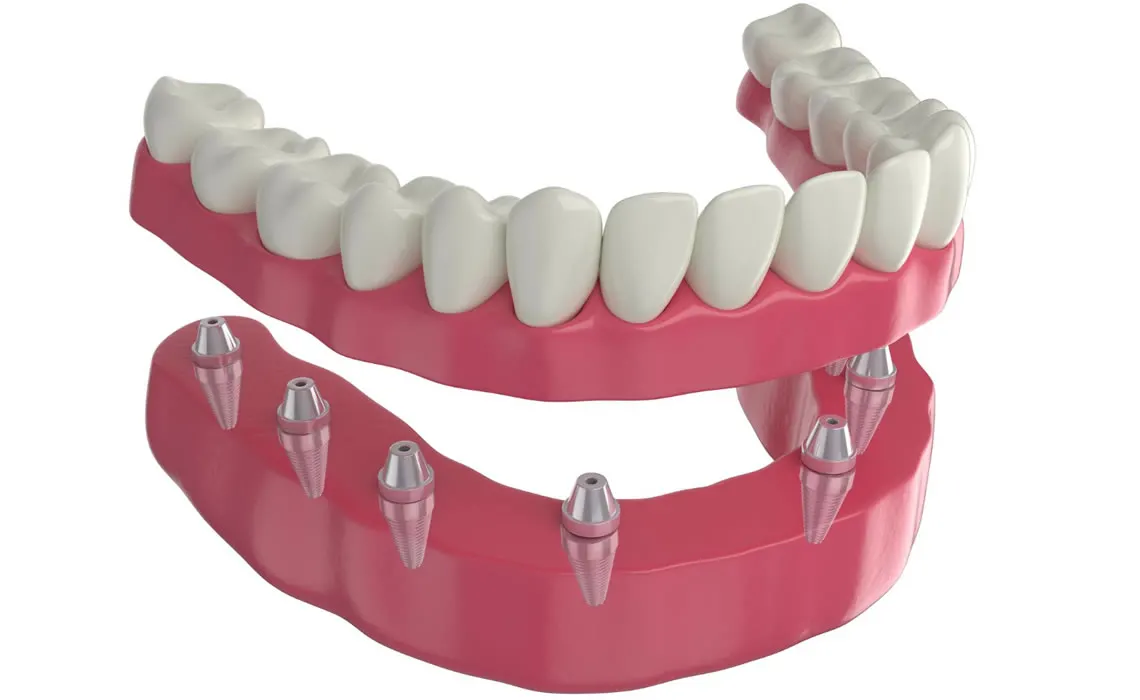
This is a practice applied especially in anterior (aesthetic zone) tooth loss or in patients who will be completely edentulous (All-on-4 concept). The implant is placed into the extraction socket in the same session, and a temporary fixed prosthesis is attached on the same day, allowing the patient to leave the clinic smiling with teeth.
Comparison of Traditional and Guided Applications
Our patients often wonder how the digital application technologies we have invested in improve their treatment comfort. You can review these fundamental differences that determine surgical quality in the comparison table below:
| Application Criteria | Dentocare Guided (Digital) Application | Traditional (Manual) Open Application |
|---|---|---|
| Operational Precision | The 3D position of the implant within the bone is determined with 100% accuracy on the computer. | The direction within the bone depends on the dentist’s real-time experience and observation. |
| Tissue Trauma and Incision | In suitable bone structures, scalpel-free, incision-free, and suture-free closed surgery is possible. | The gum tissue is widely incised and sutured in order to visualize the bone. |
| Anatomical Risks | Since the drill depth is limited by the guide, damage to nerve canals or sinuses is prevented. | Due to free-hand work, there is a risk of approaching anatomical structures due to millimetric deviations. |
| Chair Time (Speed) | Since all calculations are performed beforehand, the surgical time is significantly shorter. | Angle and position adjustments are made during the operation, so the patient remains in the chair longer. |
Post-Application Expectations and Maintenance Discipline
A successful implant application does not end when you leave Dentocare Clinic; on the contrary, the real biological process begins at that moment, where titanium integrates with your body. Thanks to the minimally invasive (tissue-friendly) techniques we apply, most of our patients can return to their work and social lives the day after the operation without any issues. Mild discomfort that may be felt after the local anesthesia wears off can be easily controlled with the standard pain relievers we prescribe.
The long-term success of the application depends as much on the patient’s post-operative care routine as on the dentist’s surgical discipline. Using the mouthwashes we recommend to maintain hygiene in the surgical area, avoiding excessively hot or cold foods in the first days, and refraining from tobacco use during the osseointegration (bone fusion) phase are the golden rules for healthy healing. At the end of this waiting period, which varies between 2 and 4 months depending on your bone quality, you will regain your complete smile with the placement of your permanent and natural-looking prostheses.