Kahramanmaraş Implant Treatment Plan
No Surprises with Dentocare Clinic: Your Personalized and Fully Transparent Surgical Roadmap Designed with 3D Digital Data
The Foundations of a Properly Designed Smile Architecture
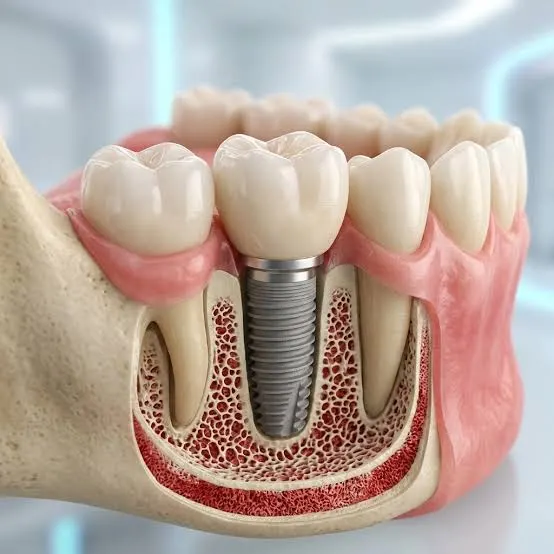
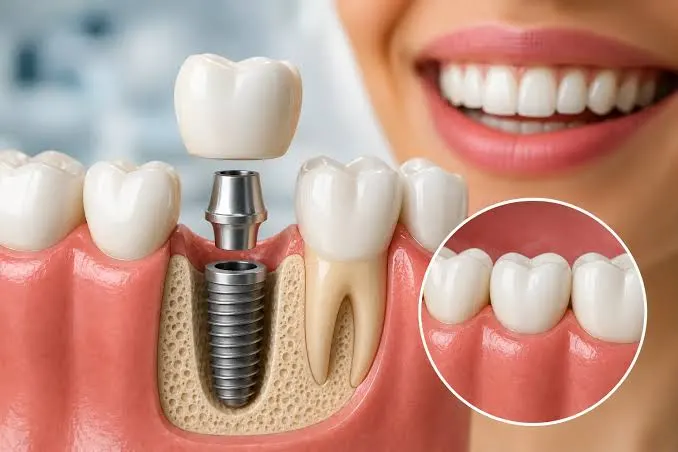
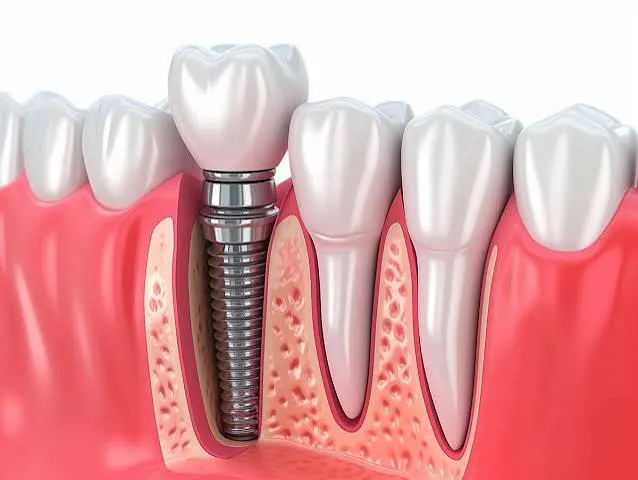
Placing an artificial root into the jawbone to replace missing teeth is not a typical dental procedure, but rather a “micro-engineering” project in which biomechanical and anatomical limits are calculated with millimetric precision. Just as a solid building cannot be constructed without a detailed ground survey and architectural drawings, successful and long-lasting maxillofacial surgery cannot be imagined without a personalized strategy. In the processes of Kahramanmaraş implant treatment planning, Dentocare Clinic designs the entire journey—from diagnosis to the placement of the final prosthesis—with the precision of digital technology, leaving no room for assumptions or surprises.
Planning an implant treatment is a multidimensional agreement that includes reviewing the patient’s medical history, mapping the bone structure in three dimensions, creating a timeline, and ensuring financial transparency. Our patients, long before sitting in the dental chair, are provided with a transparent file supported by visual data explaining which procedures will be performed, why, when, and how. This approach forms the strongest bond of trust and eliminates dental anxiety (fear of the dentist).
Dentocare Holistic Planning Phases
The uniqueness of each person’s jaw anatomy, just like a fingerprint, rejects a one-size-fits-all treatment approach. Therefore, every treatment plan created in our clinic consists of the following strategic phases, covering not only the missing tooth area but also the patient’s overall health, age, chewing muscle strength, and aesthetic expectations:
- Phase 1: Systemic and Radiological Mapping
During the first consultation, the patient’s general health status (such as diabetes, hypertension, osteoporosis history, etc.) is analyzed. Then, using 3D Volumetric Tomography (CBCT) in our clinic, the width, density (D1–D4 bone quality), and sinus/nerve proximity of the jawbone are scanned and transferred into a digital environment. - Phase 2: Virtual Surgery and Biomechanical Design
The obtained three-dimensional data are transferred into specialized software. Our dentist selects the length and diameter of the implant and virtually places it into the bone. The angle of the implants and the distances between them (biomechanical setup) are finalized at this stage to ensure balanced distribution of chewing forces to the jaw joint (TMJ). - Phase 3: Infrastructure and Timeline Creation
If insufficient bone volume is detected during virtual planning, procedures such as “Bone Grafting” or “Sinus Lifting” are included in the plan. The timeline is clearly established, including when the surgery will be performed, how many months are required for osseointegration (bone fusion), and when the patient will receive their permanent teeth. - Phase 4: Aesthetic Profile and Prosthetic Loading Plan
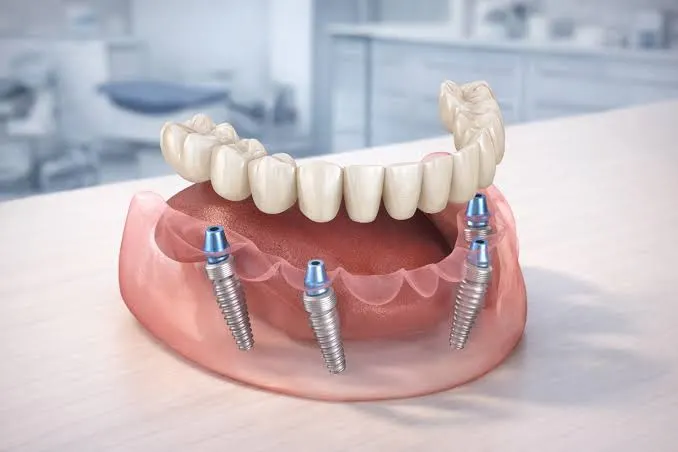
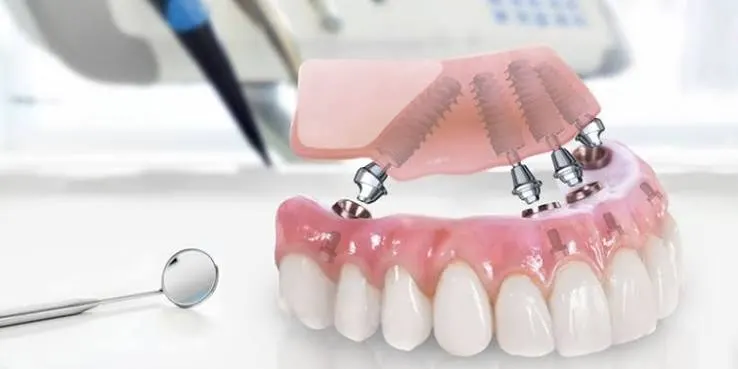
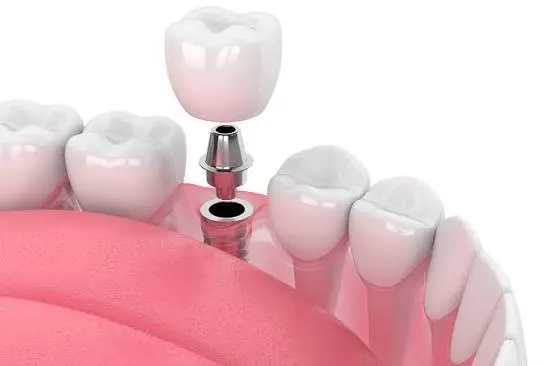
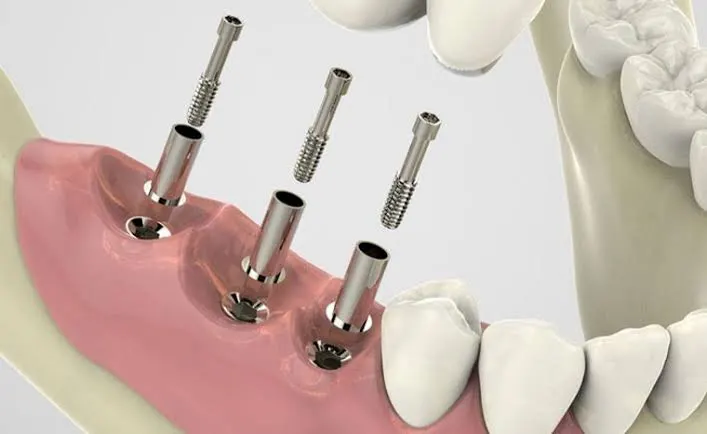
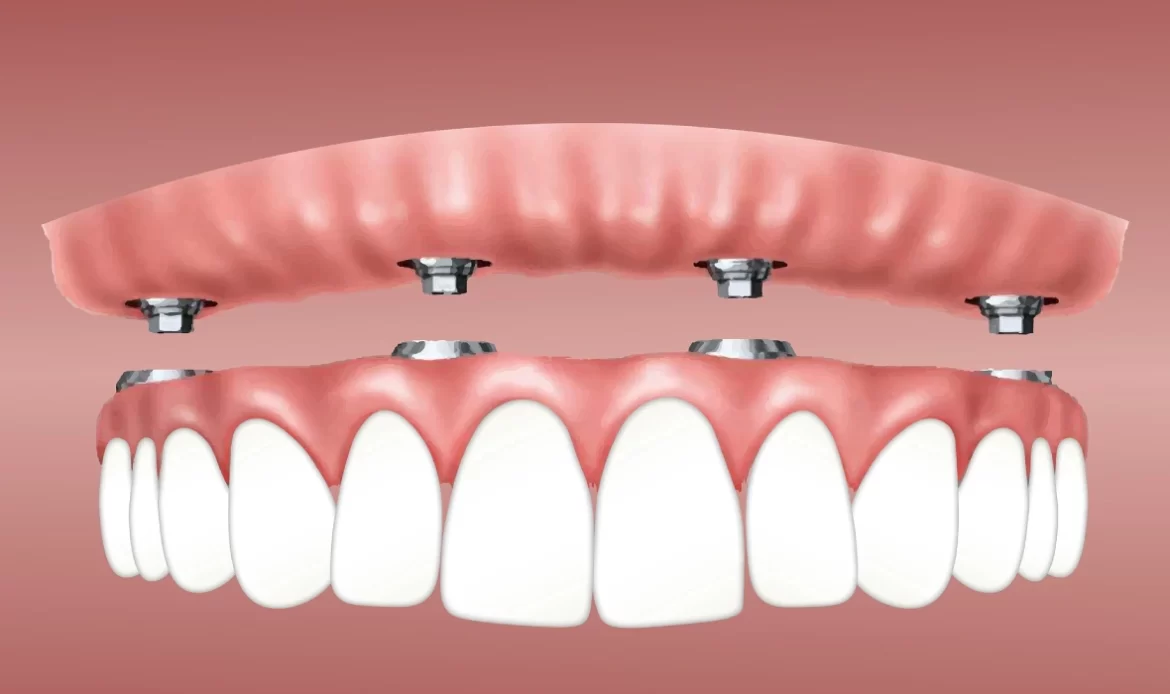
An implant is not just a screw placed into the bone; the aesthetics of the visible part (pink and white aesthetics) are equally important. The most suitable type of prosthesis (Zirconium, Porcelain, Fixed, or Removable), aligned with your smile line and lip support, is designed and added to your treatment plan in this final phase.
The Difference Between Personalized Planning and Standard Approaches
Our patients often ask, “What is the difference between taking an X-ray and starting immediately versus detailed planning?” You can see the medical significance of this difference, which determines the fate of your treatment, in the analysis table below:
| Clinical Approach Factor | Dentocare Detailed Treatment Plan | Poorly Planned (Standard) Procedure |
|---|---|---|
| Cost and Transparency | The entire process (graft, implant, prosthetic structure) is determined from the beginning, with no surprise additional costs. | Anatomical challenges that arise during the procedure (e.g., bone deficiency) may lead to unexpected extra costs. |
| Operation Duration | Since all surgical steps are simulated in advance on the computer, time spent in the chair is significantly reduced. | Angle and position calculations are performed during the operation, which can be more exhausting for the patient. |
| Timeline | The patient is clearly informed in advance about the surgery date, healing phase, and delivery of the final prosthesis. | The process may proceed by trial and error, causing delays or uncertainties in prosthesis delivery. |
| Risk of Complications | Risks such as nerve damage or sinus perforation are resolved during the planning phase through 3D analysis. | Unexpected anatomical risks may occur in free-hand (manual) procedures based only on 2D X-rays. |
The Principle of Time and Financial Transparency
In Dentocare Clinic’s treatment planning approach, communication transparency is as important as medical details. We are aware that the treatment of missing teeth is a significant investment for our patients in terms of both time and cost. Immediately after your examination and tomography analysis, the treatment file presented to you includes the brand and origin of the implant to be used, the necessity of any additional surgical procedures (if required), and the total cost of the entire process.
When you sit in the chair on the day of the operation, you already know how long the procedure will take, what to expect after anesthesia, and the estimated timeline for the day you will regain your smile. For a treatment journey free of surprises—guided only by science, experience, and empathy—Dentocare Clinic is your most reliable partner.