Kahramanmaraş Teeth Grinding Treatment: The Protective Shield for Your Sleep and Your Teeth
Have you ever witnessed that disturbing, high-pitched grinding sound coming from the teeth of someone sleeping next to you? Or has your partner told you in the morning that you were grinding your teeth all night? Known medically as “Sleep Bruxism,” teeth grinding is not only an involuntary and destructive action that exhausts your jaw muscles, but also one that reduces the sleep quality of your loved ones sharing the same room and wears down your teeth like sandpaper. At Dentocare Clinic, where we apply comprehensive diagnosis and modern restoration protocols in Kahramanmaraş teeth grinding treatment, we stop this destructive mechanism and help both you and your family achieve peaceful sleep.
Teeth grinding is not merely a simple reflection of stress. Breathing interruptions during sleep (apnea), neurological stimuli, improperly positioned fillings, or missing teeth that disrupt jaw alignment can cause the brain to send “move” signals to the lower jaw throughout the night. As the lower jaw shifts right, left, and forward, it forcefully rubs against the upper teeth. This horizontal friction force is entirely different from natural chewing forces and far more destructive. Let’s examine in detail the hidden dangers this friction creates in your oral structure and the protective solutions we offer with Dentocare Clinic specialists.
What Happens in Your Mouth During Teeth Grinding: The Sandpaper Effect
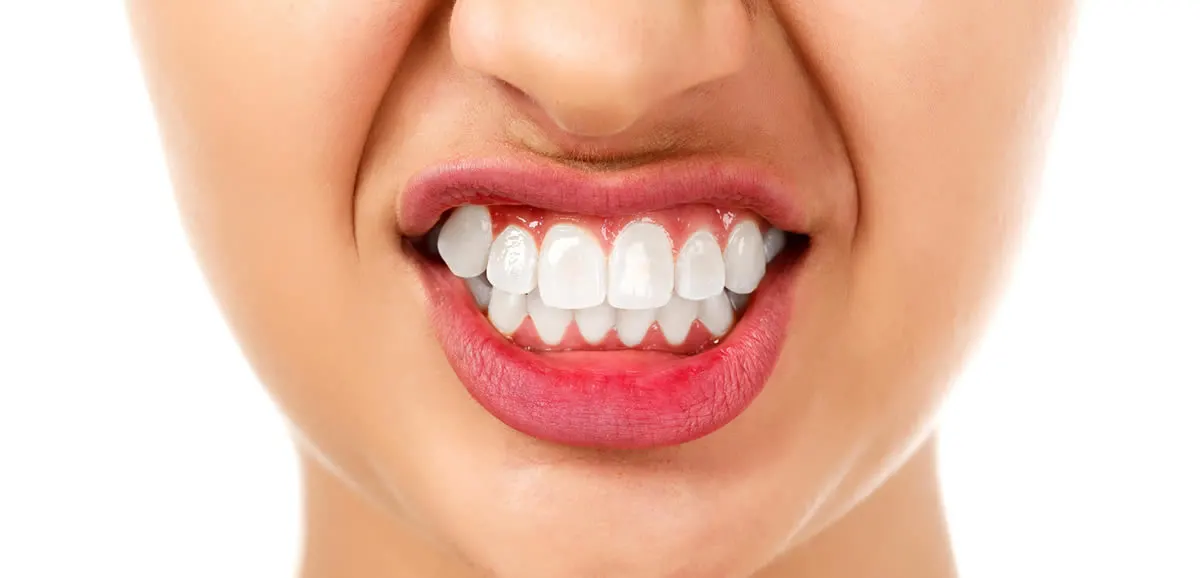
Human teeth are covered with enamel, one of the hardest biological materials in nature. However, this hardness is not designed to withstand hours of continuous friction between teeth. The force applied during grinding is so intense that the chewing cusps of the teeth gradually flatten completely. We dentists refer to this condition as “attrition.”
As the teeth shorten, the enamel layer thins, exposing the underlying yellowish and much more sensitive “dentin” layer. When this occurs, patients often visit our clinic with complaints such as “My teeth look more yellow,” “I feel sharp sensitivity when drinking something cold,” or “My teeth don’t show as much when I smile.” Even more concerning is that these horizontal forces can destabilize the tooth roots, leading to gum recession and, in advanced cases, the loss of otherwise healthy teeth.
Signals of a Silent Threat: How Can You Tell If You Grind Your Teeth?
Even if you sleep alone or your grinding is not loud enough to be noticed, your body sends physiological warnings in the morning. At Dentocare Clinic, we can diagnose grinding from wear patterns even before patients are aware of the condition. If you experience any of the following, seeking professional evaluation is critical for your health:
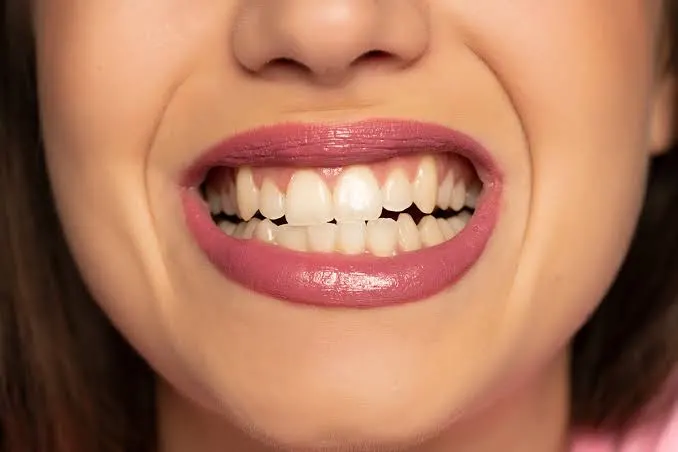
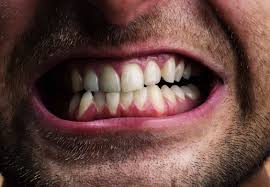
- Flattened and Worn Teeth: Especially the front teeth losing their sharp edges and becoming flat, and the canine teeth losing their pointed tips.
- Interrupted Sleep and Morning Fatigue: Inability to reach deep (REM) sleep due to constant muscle activity, waking up feeling exhausted and drained.
- Marks on the Tongue and Inner Cheek: Formation of a white line (linea alba) on the inner cheek and teeth marks along the edges of the tongue due to friction and vacuum effect.
- Social Impact (Partner Complaints): Loud grinding sounds disturbing your partner or family members, making it difficult to share the same sleeping space.
Critical Differences Between Teeth Clenching and Teeth Grinding
Although often considered the same issue, clenching and grinding cause different biomechanical damage to the jaw. At Dentocare Clinic, we carefully distinguish between these conditions when planning treatment. The differences and our approach are outlined below:
| Feature | Teeth Clenching (Static Pressure) | Teeth Grinding (Dynamic Friction) |
|---|---|---|
| Movement Direction | Vertical, static locking of upper and lower jaws together. | Horizontal movement of the lower jaw (side-to-side or forward-backward), causing friction between teeth. |
| Main Symptom | Morning headaches, masseter muscle pain, usually silent. | Loud grinding noise, disturbing partners, severe flattening of front teeth. |
| Dentocare Clinic Splint Design | Thick, smooth-surfaced stabilization splints that absorb vertical force and relax muscles. | Anatomical, hard acrylic splints with special guidance pathways that prevent tooth damage during jaw movement. |
Holistic and Restorative Treatment Protocol at Dentocare Clinic
If you are seeking a permanent and aesthetic solution for teeth grinding in Kahramanmaraş, our clinic offers a multi-stage, preventive treatment philosophy. Simply providing a splint to a grinding patient does not restore lost tooth length or aesthetics. Our treatment process is built on two main pillars: stopping the existing destruction and reconstructing what has been lost as naturally as possible.
1. Damage Control and Joint Protection Phase
The design of protective splints for grinding treatment requires far more complex engineering than standard clenching guards. At Dentocare Clinic, we produce special occlusal splints using digital scans that calculate the lateral movement paths of your jaw. These hard splints mechanically prevent the back teeth from grinding against each other by mimicking canine guidance during jaw movement. As a result, the disturbing noise disappears and your enamel is protected. Simultaneously, muscle-relaxing medical approaches reduce stress on the jaw system.
2. Functional and Aesthetic Restoration (Reconstruction Phase)
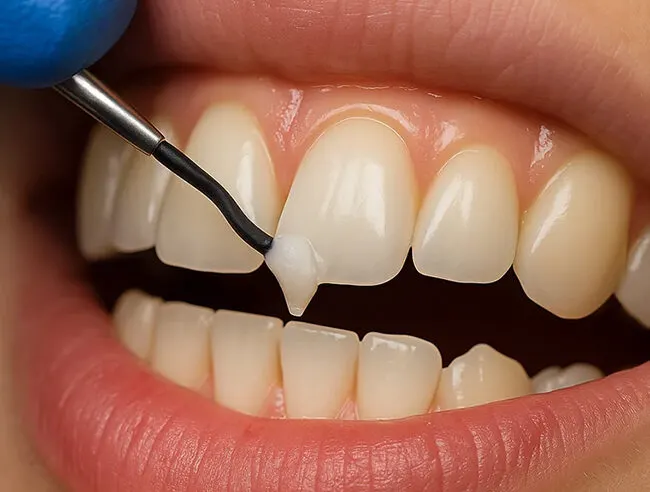
For patients whose teeth have shortened, whose smile aesthetics are compromised, or whose vertical dimension (distance between the nose and chin) has collapsed, modern restorative dentistry comes into play. The worn surfaces of your teeth are rebuilt millimetrically using porcelain onlays, aesthetic composite restorations (bonding), or zirconium crowns to restore their natural form and length. This process eliminates signs of aging, resolves sensitivity, and provides a youthful, dynamic, and fully functional smile.
Teeth Grinding in Children: What Should Parents Watch For?
Teeth grinding is not only seen in adults but is also common in children. Especially during the mixed dentition phase (when baby teeth fall out and permanent teeth erupt), children may grind their teeth at night while adapting to a new bite. Additionally, enlarged adenoids, allergies, or intestinal parasites can trigger sleep bruxism in children. At Dentocare Clinic, we advise parents not to ignore grinding sounds as a “normal growth phase,” but to seek professional pedodontic/orthodontic evaluation. Early intervention can prevent future skeletal jaw disorders.
Take the First Step Toward Peaceful Nights and Strong Teeth
Teeth grinding is a process that gradually erases the character of your smile and drains your energy. Waking up unrested, starting the day with tooth sensitivity, or avoiding smiling due to aesthetic concerns is not something you have to accept. With the right technology and expert care, you can eliminate this problem from your life.
At Dentocare Clinic, we bring the most comfortable and scientifically advanced dental solutions in Kahramanmaraş to you. You can contact our clinic to assess the level of wear on your teeth, protect your jaw joint, and restore your sleep quality. We are ready to listen to you, provide personalized diagnoses, and build a brand-new, healthy smile. Book your appointment today to gift yourself and your loved ones uninterrupted, peaceful sleep.