Kahramanmaraş Tooth Extraction Surgery: Tissue-Friendly and Advanced Microsurgical Approaches at Dentocare Clinic
Although the word “extraction” in dental terminology is often perceived as a simple outpatient procedure, once bone, nerves, and deep gum tissues are involved, the process becomes an entirely surgical discipline. Impacted teeth trapped inside the jawbone, roots fractured below the gumline as a result of trauma, or cases that have become virtually fused with the bone (ankylosis) are complex anatomical conditions that cannot be resolved with standard instruments. Dentocare Clinic, which has a deep command of jaw and facial anatomy in the Kahramanmaraş region and applies advanced treatment protocols, rejects traditional force-focused methods in order to overcome these challenging anatomical obstacles and instead embraces fully biology-respecting, tissue-friendly principles of tooth extraction surgery (microsurgery).
A medical intervention takes on a surgical dimension depending on how the clinician approaches not only the tooth itself, but also all of the supporting tissues surrounding it (the periodontium). Rather than applying blind force to the operative field, Dentocare Clinic’s specialist oral surgeons take carefully planned steps that expand the surgical field of vision, preserve the maximum possible volume of the jawbone, and accelerate postoperative wound healing without scarring. Our goal is to leave the space created by removing the tooth as a flawless and smooth foundation (ridge) for future implant or aesthetic prosthetic treatments. At our clinic, tooth extraction surgery is not a process of destruction, but rather a “reconstruction” preparation that secures the health of your jawbone.
The Anatomical Line Between Simple Extraction and Tooth Extraction Surgery
Many of our patients who visit our clinic wonder why their tooth must be removed surgically instead of with a standard method. In a standard extraction, the visible crown portion of the tooth is intact, and the dentist can directly grasp the tooth with special instruments and loosen it from its socket. However, in cases requiring surgical intervention (operative extraction), there is no solid tissue that the dentist can directly hold onto. The tooth is hidden beneath a thick layer of jawbone or dense gum tissue.
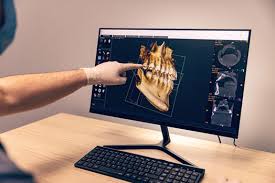
In such cases, it becomes mandatory to open a surgical path (corridor) in order to reach the tooth and release it safely. Wisdom teeth erupting at the wrong angle, cysts at the root tip that have reached massive sizes, or fragile roots that have dissolved within the bone due to failed root canal treatments are among the most fundamental fields of tooth extraction surgery. At Dentocare Clinic, these cases are analyzed with 3D Dental Tomography (CBCT), and the amount of bone that must be removed and the nerve pathways that must be avoided are mapped millimetrically before the operation.
Dentocare Clinic Surgical Extraction Stages: Step-by-Step Microsurgery
Tooth extraction surgery is not a memorized procedure; it is a staged and highly controlled medical art based on the principles of tissue engineering. The main steps of the surgical protocol applied in our clinic are as follows:
- Flap Design (Soft Tissue Management): This is the first and most critical step of the surgical operation. The gum tissue in the relevant area is incised with special micro-scalpels in a geometric form that does not disrupt blood circulation, then carefully lifted off the bone like a “cover” (flap). This allows the dentist to see the tooth and the jawbone clearly and eliminates the need to work blindly.
- Osteotomy and Bone Shaping: Once the flap is lifted, the bone tissue trapping the tooth is exposed. In order to release the tooth, minimal bone reduction (osteotomy) is performed using ultrasonic devices (piezosurgery) or specially cooled surgical burs. At this stage, Dentocare surgeons aim to reduce bone loss to zero.
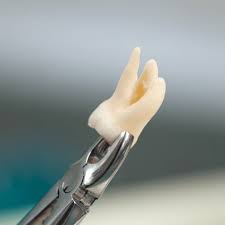
- Odontosection (Sectioning the Tooth): To avoid pressure on the surrounding bone, the tooth to be removed is divided into two or three pieces while still inside the mouth. This technique allows the tooth to slide out of its bony socket without resistance and reduces trauma to an extraordinary degree.
- Suturing (Stitching and Closure): After the tooth is removed and any infections inside the bone (such as cysts) are cleaned out, the gum tissue (flap) that was initially lifted is repositioned into its original anatomical place. The surgical area is then tightly closed with special micro-sutures that are aesthetic and do not leave marks on the body, ensuring primary tissue healing.
Traditional Approaches and the Dentocare Surgical Vision
The success of a surgical procedure reflects both the technology used and the clinician’s respect for the tissue. In the table below, you can examine the fundamental differences between surgical procedures applied in ordinary clinics and the advanced surgical vision offered by Dentocare Clinic:
| Traditional Tooth Extraction Surgery | Dentocare Microsurgical and Tissue-Friendly Approach |
|---|---|
| The surgical field of view is limited, the gum is retracted randomly, and this may cause postoperative gum recession or asymmetry. | Aesthetic Flap Design: Incisions are made within aesthetic boundaries while preserving the natural blood supply of the gum, eliminating the risk of postoperative gum recession. |
| Standard motors that generate high heat are used during bone reduction, creating a risk of “bone necrosis” (bone death). | Physiological Cooling and Piezosurgery: During bone cutting, sterile saline irrigation and ultrasonic sound waves are used so that the cells are not burned. |
| The focus is only on removing the tooth, and the remaining bone socket is left to bleed and resorb. | Ridge Preservation: At the time of surgery, the emptied socket is supported with bone grafts (bone powders) and fibrin networks (PRF), preserving the architecture of the jawbone. |
| Thick and tight suture materials are used, straining the wound edges and causing a stinging sensation during healing. | Micro-Suturing: The area is closed tension-free using thin sutures that do not trigger tissue reaction, allowing healing to occur without scarring and comfortably. |
Rehabilitation of the Jawbone After Surgery
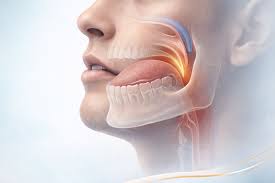
One of the greatest privileges of tooth extraction surgery at Dentocare Clinic is that it is designed not only for the day of the operation, but also with years ahead in mind. After a tooth is surgically removed, the jawbone in that area (the alveolar ridge) faces a serious healing challenge. If crude force has been applied to the bone during the procedure, deep collapses and volume loss occur in that region during healing.
Such volume loss may later result in the patient being diagnosed with “bone insufficiency” when they wish to receive an implant months afterward, exposing them to much more extensive bone grafting (augmentation) surgeries. Thanks to the atraumatic methods our clinicians use during surgical extraction and the protocols that support the area afterward with biological materials (collagen membranes and bone grafts), the natural volume and aesthetic contour of your jawbone are preserved at the highest possible level.
Entrust Your Difficult Cases to a Reliable Surgical Center
A fractured root or a tooth buried deep within the jawbone, when left untreated, may over time lead to cysts, root resorption in neighboring teeth, and severe unexplained facial pain. Overcoming these anatomical obstacles requires advanced surgical experience, technological capability, and profound respect for human biology.
If you have been told in Kahramanmaraş that “this tooth needs to be removed surgically” and are facing a risky or complex clinical condition, set your concerns aside. Dentocare Clinic safeguards your health through transparent diagnostic processes, tissue-friendly microsurgical methods, and a specialist team that prioritizes your postoperative comfort. To leave your fear of dentistry behind, begin your surgical treatment in safe hands, and find scientific answers to all the questions on your mind, you can contact us right away and schedule your consultation appointment.