Which Applications Does Digital Dentistry Cover? Perfect Smiles with Technology
Traditional vs. Digital: Where Does the Difference Begin?
To better understand the scope of digital dentistry, it is necessary to see the dramatic gap between old and new methods:
| Comparison Criteria | Traditional Dentistry | Digital Dentistry (Dentocare) |
|---|---|---|
| Impression Method | Physical tray impressions with alginate/silicone materials (triggers gag reflex). | High-resolution virtual impressions taken within seconds using an intraoral 3D scanner. |
| Treatment Time (Porcelain/Zirconium) | At least 1–2 weeks due to laboratory transfer and try-in sessions. | Same-day (single-session) design and production with CAD/CAM systems. |
| Error and Fit Margin | Risk of material shrinkage or casting errors. | Micron-level (zero-error) precision fit thanks to computer-aided design. |
| Predictability of Results | Patients can only see their new teeth after treatment is completed. | Digital Smile Design allows simulation of the final result before any dental procedure begins. |
Which Treatments Does Digital Dentistry Cover?
Digitalization has penetrated almost every treatment applied in our clinic. Here are the 5 main digital application areas we use at Dentocare Clinic:
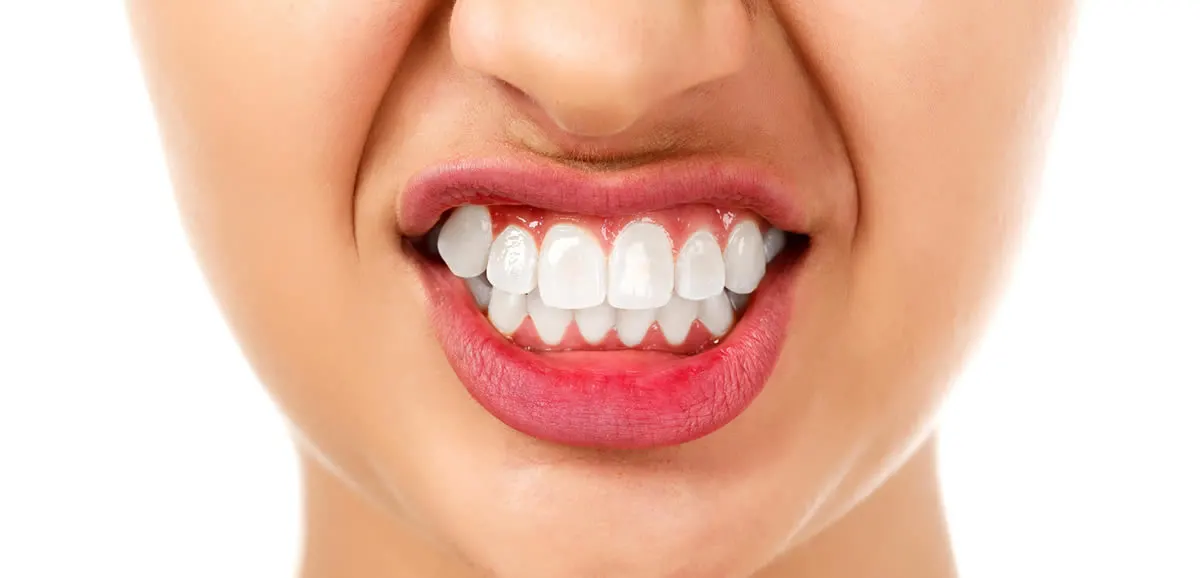
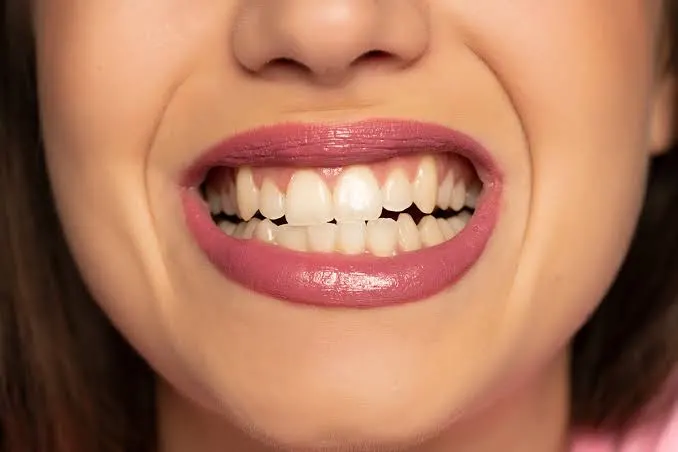
- 1. Digital Smile Design (DSD): This is the design of the most suitable tooth form based on your facial golden proportions (pupils, lip curvature, nasal tip) in a computer environment. Your studio photographs and 3D intraoral scans are uploaded into the software. Before starting treatment, you can see a simulation of your final smile with a “Mock-up” (trial) method in your mouth and approve it before proceeding.
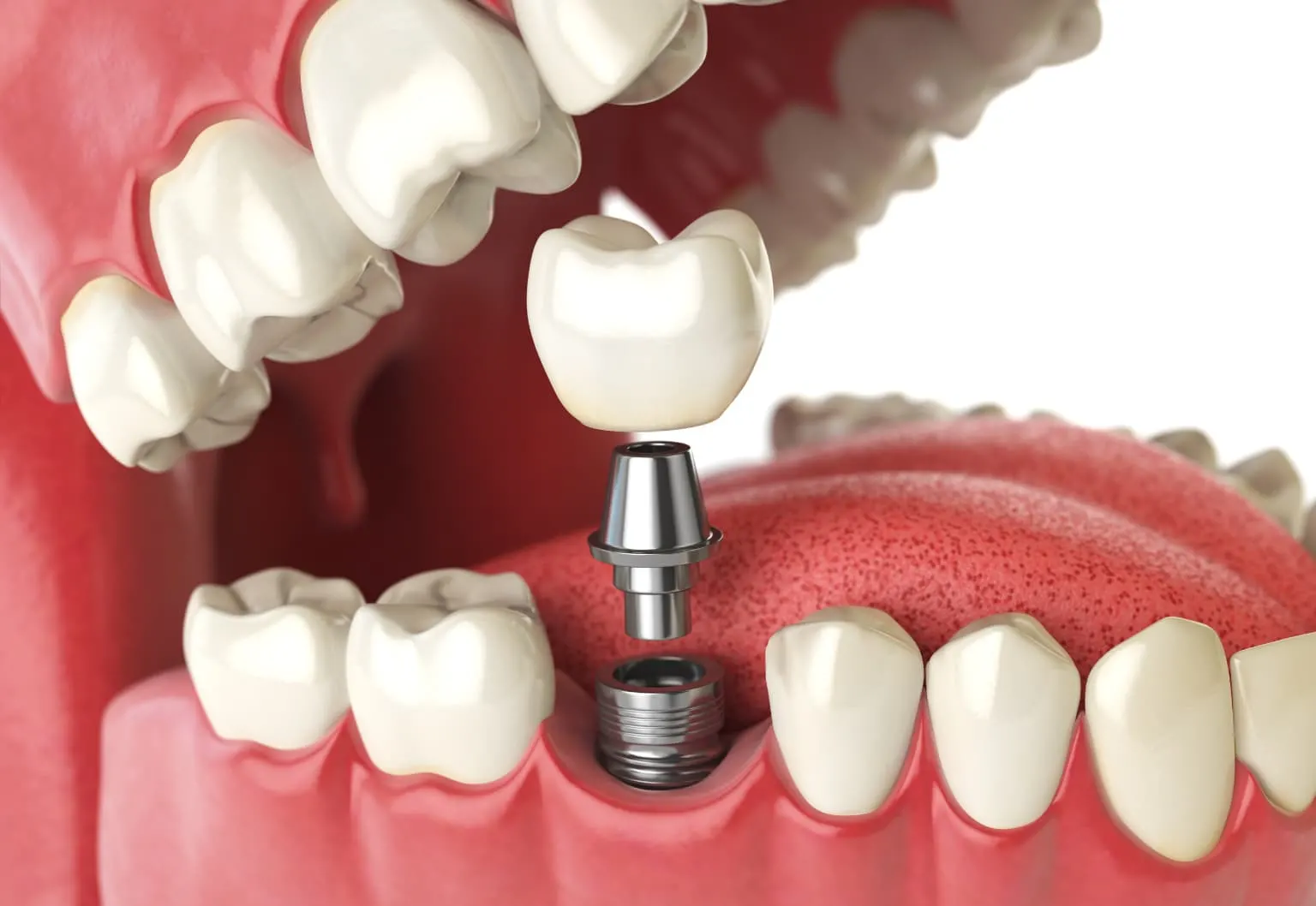
- 2. CAD/CAM Technology (Same-Day Teeth): Porcelain crown and zirconium production, which used to take weeks, is reduced to minutes with this system. The digital impression taken with an intraoral scanner is transferred to CAD (Computer-Aided Design) software. The 3D-designed tooth is milled from a zirconium or porcelain block in our clinic’s CAM (Computer-Aided Manufacturing) device in just 15–20 minutes and placed on the same day.
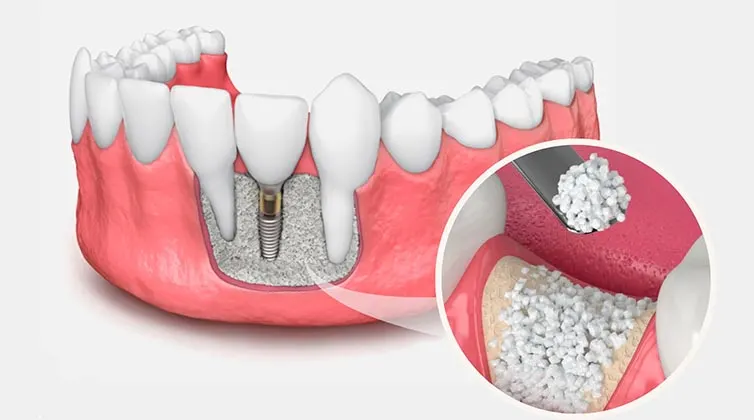
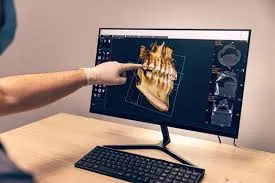
- 3. Computer-Guided Implant Surgery (Surgical Guide): The angle, depth, and exact position of the implant in the jawbone are pre-determined using 3D dental tomography (CBCT) images on a computer. Based on this data, a “surgical guide plate” is printed using 3D printers. This allows implant surgery to be performed usually without gum incision or sutures (flapless), completely bloodless, painless, and within seconds.
- 4. Clear Aligner Orthodontics (No Braces): This is the correction of tooth crowding using digitally produced clear aligners (e.g., Invisalign) instead of traditional metal braces. The patient’s intraoral scan is taken, and a series of 3D aligners are produced after AI calculates the simulation of tooth movement over time.
- 5. Digital Archiving and Monitoring: The era of storing plaster models in clinic warehouses for years has ended. Your entire oral structure, bite, and gum health are securely archived digitally in our cloud systems for life. Even years later, past and current conditions can be compared within seconds.
💡 Dentocare Clinic Innovation: The New Dimension of Comfort
At Dentocare Clinic, we see digital dentistry not just as an “equipment” investment, but as a “comfort revolution” that transforms the patient experience. For our guests who have needle phobia, experience nausea during impressions, or cannot attend long laboratory try-in sessions due to busy schedules, our digital workflow is not a luxury but the standard of our service.
Why Is the Digital Process Healthier for You?
Not only aesthetics or speed, but biological compatibility is also one of the greatest advantages of digitalization. In traditional impression methods, materials may shrink or expand. This can lead to the porcelain not fitting the tooth perfectly.
Even a microscopic gap between the tooth and the restoration can cause saliva and bacteria to seep in, leading to decay of the underlying tooth or severe gum inflammation. However, CAD/CAM technology produces restorations with micron (one-thousandth of a millimeter) precision, allowing the crown to fit like a vacuum seal. This perfectly protects gum health and extends the lifespan of the treatment for decades.
Frequently Asked Questions About Digital Dentistry (FAQ)
The most frequently asked questions by our patients at Dentocare Clinic, where technology meets aesthetic excellence, along with transparent answers:
Does the intraoral scanner emit radiation?
Absolutely not. Intraoral scanners do not use X-rays like radiography devices. They are based entirely on high-resolution optical imaging (video recording) technology. They are 100% safe for everyone, including pregnant women and children.
Are same-day porcelain restorations less durable than traditional ones?
On the contrary, they are generally stronger. Traditional porcelain may contain microbubbles formed during firing. However, CAD/CAM blocks are industrially produced monolithic blocks under high pressure. Restorations milled from these blocks have much higher fracture resistance.
How is the healing process in digital implant surgery (guided implants)?
The healing process is extremely fast. Thanks to computer-guided surgical templates, there is no full gum incision and no sutures (flapless surgery). Since the exact bone path is predetermined, only a minimal entry point is created for the implant. Post-operative swelling, bruising, or bleeding is almost nonexistent.
Conclusion: Experience the Smile of the Future Today
Dentistry has evolved from a discipline that only treats pain into a modern form of engineering and art that instantly enhances quality of life and self-confidence. The comfort, speed, and perfect aesthetics offered by digital dentistry are no longer unreachable technology but our treatment standard.
At Dentocare Clinic, with our expert physician team, AI-supported infrastructure, and boutique patient-centered approach, we invite you to experience this new era. Say goodbye to dental phobia, nausea, and endless treatment appointments, and leave our clinic on the same day with a brand-new, flawless smile. Because technology is advancing, and your smile deserves the best.