How to Recognize the Habit of Teeth Grinding (Bruxism)? Listen to Your Body’s Silent Signals
Do you wake up in the morning with an unclear fatigue in your jaw? If you experience unexplained headaches or tooth sensitivity, the source of the problem may be hidden in your sleep. Discover the hidden signs of teeth grinding with Dentocare Clinic.
As Dentocare Clinic, we believe that the most powerful way to protect oral health is “early awareness.” Learning to read the small clues that indicate you are grinding your teeth is the first step toward a more comfortable life. Let’s decode the silent signals your body and teeth are sending you.
Initial Signals from Your Body (Physical Symptoms)
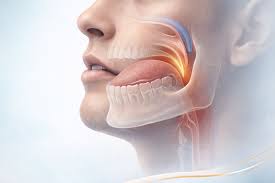
Under normal chewing conditions, teeth only briefly contact each other to grind food. However, in teeth grinding habits, the jaw muscles (masseter muscle) remain locked throughout the night with tremendous force, as if lifting weights. The first morning symptoms of this excessive strain include:
- Morning Headaches: Dull pain in your temples and sides of your head upon waking is the result of the tension the jaw muscles apply to the skull throughout the night.
- Fatigue in Jaw and Facial Muscles: If you struggle to open your jaw during the first bites of breakfast or feel heaviness in your cheeks, this is a clear sign that your muscles have been overworked overnight.
- Neck and Shoulder Stiffness: Jaw muscles are directly connected to the neck region. A clenched jaw transfers tension to the cervical spine and shoulders, leading to chronic neck pain.
- Ear Pain or Ringing: The temporomandibular joint (TMJ) is very close to the ear canal. Excessive pressure on the joint can cause deep ear pain or ringing, often mistaken for an ear infection.
💡 Dentocare Clinic Awareness Note: Day vs. Night Clenching
Bruxism is not limited to sleep. In “awake bruxism,” individuals unconsciously clench their jaw while focusing on a computer, stuck in traffic, lifting weights, or reading intense emails. Observe yourself during the day: Are your teeth touching? In a healthy “rest position,” the lips are closed, but there should be a slight gap (no contact) between the upper and lower teeth.
Visible Evidence in Your Mouth and Teeth
If you attribute physical pain to stress or fatigue, the most undeniable evidence can be found inside your mouth when you look in the mirror. The first clues we look for when examining patients at Dentocare Clinic are:
| Observed Symptom | Where and How to Check | Relation to Teeth Grinding |
|---|---|---|
| Shortening and Flattening of Teeth | Check the cutting edges of the front teeth. | Continuous friction removes the natural shape of the teeth, making them appear flat and worn down. |
| Cheek and Tongue Imprints | Look for a white line on the inner cheek (linea alba) or tooth marks on the sides of the tongue. | During clenching, soft tissues are pressed between the teeth, leaving visible impressions. |
| Enamel Cracks and Transparency | Check for fine cracks and transparent areas near tooth edges. | Excessive pressure creates microfractures in enamel, causing a glassy appearance. |
| Hot/Cold Sensitivity | Sharp sensitivity when eating ice cream or drinking hot tea. | Worn enamel exposes the sensitive dentin layer, causing sharp pain. |
4 Ways to Detect Your Teeth Grinding Habit at Home
If you are still unsure, you can become your own detective. With these simple methods, you can clarify the situation:
-
Ask Your Partner for Observations
Grinding is often noticed by a person sleeping next to you. If you clench silently, your partner can observe whether your jaw muscles tighten or remain locked during sleep.
-
“Cheek Puff” Test
After waking up, try to inflate your cheeks without opening your mouth. If your jaw and cheek muscles feel painful or tense during this simple action, it means they were overworked during the night.
-
Daytime Alarm Method
Set 3–4 alarms on your phone at different times of the day. When the alarm rings, stop and check your mouth. Are your teeth touching? Is your jaw tense? This is one of the most effective ways to detect awake bruxism.
-
Mirror “Masseter” Check
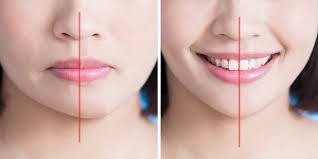
Stand in front of a mirror and clench and release your teeth strongly. You will notice the masseter muscle (chewing muscle) near the jaw angle becoming prominent. If it appears overly developed and creates a square facial shape, it may indicate hypertrophy due to chronic clenching.
Frequently Asked Questions About Bruxism Diagnosis
Early diagnosis saves lives. We answer your questions with a professional perspective:
Can teeth grinding damage aesthetic fillings or zirconium crowns?
Absolutely yes. The extreme force during grinding can wear down natural enamel, break composite fillings, and cause chipping or cracking of porcelain or zirconium restorations. Therefore, bruxism must be treated before aesthetic restorations are placed.
Can bleeding gums during brushing be related to teeth grinding?
Not directly, but there is an indirect connection. Constant clenching can loosen teeth and cause microscopic bone loss. This trauma weakens the gums, making them more sensitive and prone to bleeding.
How is teeth grinding diagnosed and treated at Dentocare Clinic?
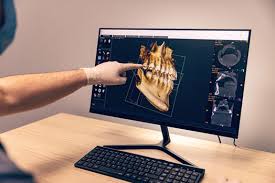
At our clinic, we perform comprehensive oral examination, joint analysis, and 3D radiographic imaging to assess the extent of wear. Depending on the diagnosis, we create custom night guards (splints) or apply comfortable masseter botox to relax overactive chewing muscles.
Conclusion: The Healing Process Begins with Awareness
Our body has an extraordinary communication system. That unexplained morning headache or the subtle pain in your teeth is actually your jaw saying, “Please take this burden off me.” Recognizing the habit of teeth grinding on your own is the most important step to breaking this cycle and preventing permanent damage.
If you notice one or more of the symptoms mentioned above in your daily life, it is time to seek professional support before the condition progresses further, before your jaw joint is damaged, and before your smile aesthetics are lost. As Dentocare Clinic, with our experienced physicians, modern diagnostic tools, and personalized comfortable treatment approaches, we are here to protect your oral health. Let your stress come out through a confident smile, not through your teeth. Book your appointment today and take the first step toward a pain-free and refreshed morning.