A sinus lift is a surgical procedure for people whose bone height in the upper back jaw has decreased after tooth loss: the floor of the maxillary sinus is raised and bone graft is placed in the space. The aim is to prepare enough bone for an implant to be placed. It is generally needed by people who are planning implants in the upper back teeth and have thin bone in that area; the decision is made by the doctor after an examination and tomography.
What is a sinus lift
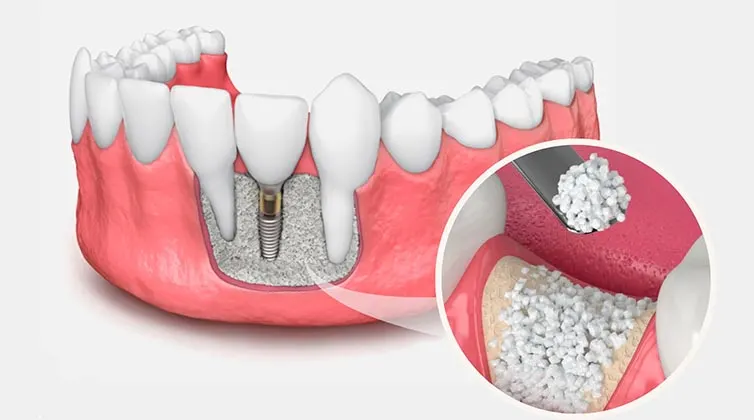
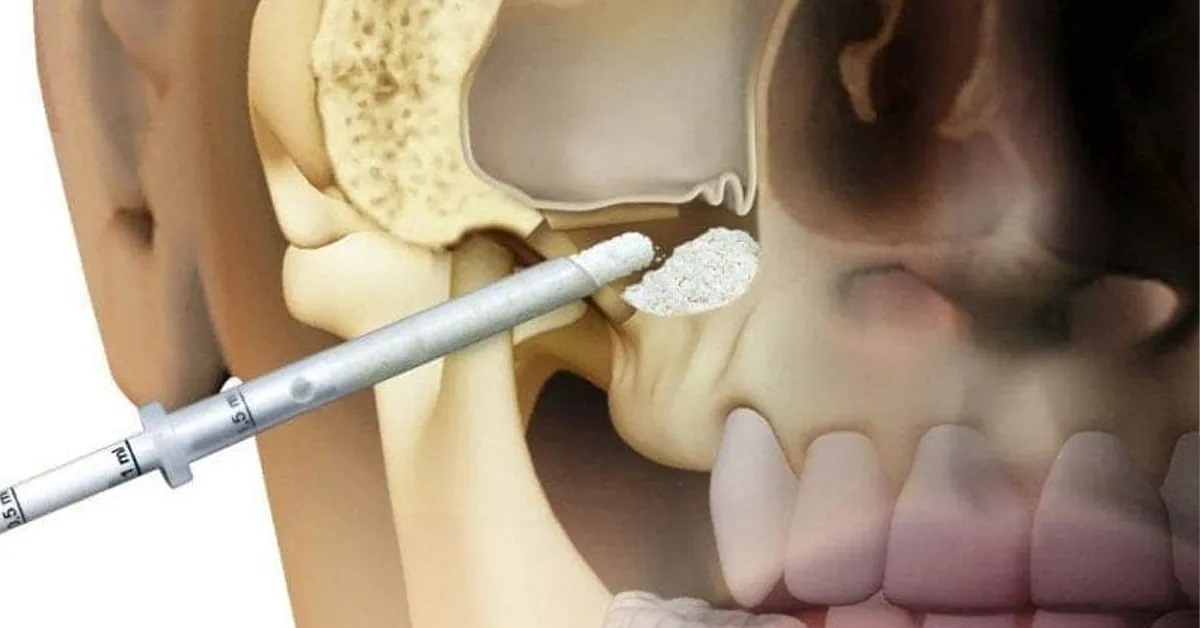
A sinus lift is the procedure of gently lifting the floor of the air cavity in the upper jaw (the maxillary sinus) and filling the resulting space with bone graft. This provides enough bone height in that area for an implant to hold.
People search for this procedure under different names such as sinus elevation, sinus augmentation, sinus lift or sinus operation; all of them point to the same purpose. It should not be confused with nasal sinus surgery: here the sinus itself is not treated, only its floor is prepared for the implant.
When is it needed
A sinus lift is needed when the bone height is not sufficient to place an implant in the upper back jaw. This can happen for several reasons:
- Upper back teeth that were lost a long time ago, with the bone gradually shrinking over time
- A sinus that is naturally wide and low
- No bone filling having been done after a tooth extraction
- Bone loss due to gum disease or infection
Our article on the importance of jawbone for implants can give you an idea about why bone decreases and how an implant is planned.
How does a sagging sinus affect an implant
A sagging sinus means that after tooth loss the sinus cavity expands downwards into the area where the tooth roots used to be, and the bone height decreases as well. When the bone stays thin, the implant may not hold well enough or may advance towards the sinus cavity.
The problem with a sagging sinus is less a direct health issue than the fact that it makes implant planning harder. Because the bone height is insufficient, placing a standard-length implant may not be possible. For this reason, the doctor may recommend a sinus lift before the implant.
The difference between open and closed sinus lift
The main difference between open and closed sinus lift is the route used to reach the sinus floor and how much bone gain is needed. Which one is suitable is decided by the doctor after the examination and tomography.
Open sinus lift
In the open method, the gum is entered and a small window is opened on the side of the upper jaw. The sinus membrane is carefully lifted and the resulting space is filled with bone graft. It is preferred when more bone gain is needed; reaching the sinus membrane under direct view is an advantage. On the other hand, the surgical area is larger, so swelling and the healing process may be more noticeable than with the closed method.
Closed sinus lift
In the closed method, while the implant socket is being prepared, the sinus floor is pushed up slightly through the socket with small instruments. No window is opened, and it is a smaller intervention. It is usually suitable only when the missing bone height is limited. Its limit is that the amount of bone that can be gained is smaller and the sinus membrane cannot be viewed directly.
Procedure steps
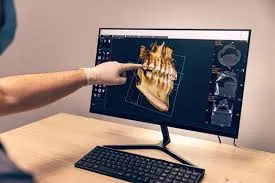
The sinus lift procedure begins with examination and planning, and continues with surgery, fusion of the graft with the bone, and the implant stages. At the clinic, planning is done with 3D tomography and digital imaging.
- Examination and imaging: The bone height, the structure of the sinus and any sinus disease are assessed.
- Healing and fusion period: A period of 4–6 months is indicated for the graft to integrate with the natural bone. In some cases the implant can be placed in the same session; this is the doctor’s decision depending on the condition of the bone.
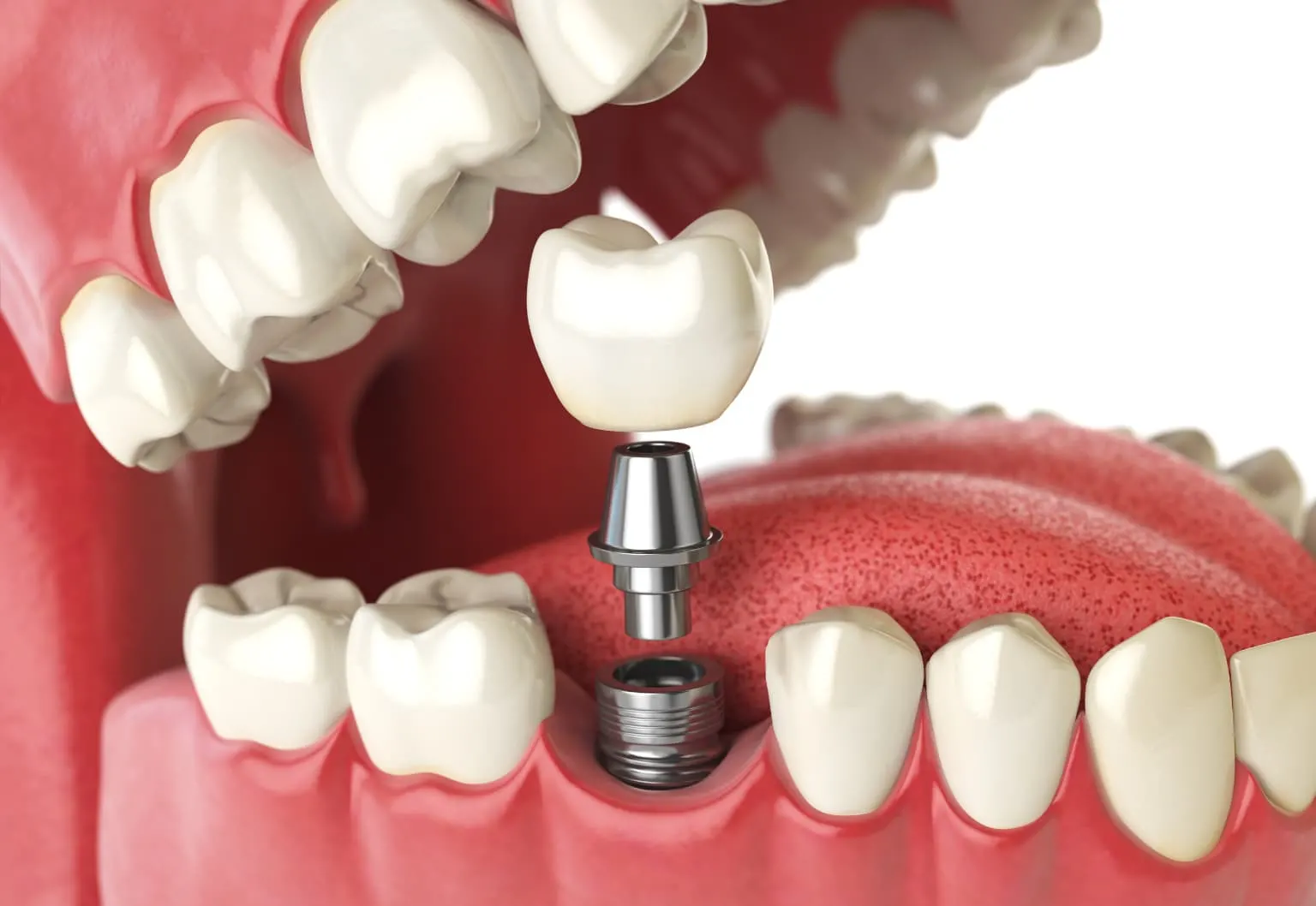
- Implant and prosthetic part: When the bone is ready, the implant is placed and then the tooth is made.
You can follow the general implant process in our article on the stages of implant treatment.
What to pay attention to afterwards
The most important thing after the procedure is not to put pressure on the sinus area and to follow the doctor’s medication and care instructions completely. Temporary swelling, bruising, sensitivity and a feeling of pressure in the sinus may occur; these symptoms need to be monitored under the doctor’s supervision.
- Do not blow your nose forcefully; keep your mouth open when you sneeze.
- Use the recommended medication regularly and do not skip follow-up appointments.
- In the first days, choose soft foods that are not very hot, and do not put chewing load on the treated area.
- Keep the area clean as the doctor describes; avoid hard brushing.
- For situations that cause pressure changes, such as air travel, heavy exercise and diving, wait for the periods your doctor will give you.
- If swelling increases, or if there is a bad smell, fever, nosebleed or worsening pain, contact the clinic without losing time.
Infection after a sinus lift is not a commonly expected situation; however, a sinus infection or chronic sinusitis may be a limiting factor for the procedure. For this reason, your sinus health is always evaluated before the procedure.
Smoking after a sinus lift
Smoking negatively affects healing after a sinus lift; it can make it harder for the graft to fuse with the bone and can increase the risk of infection. So, if possible, it is necessary to quit before the procedure, or at least not to smoke at all for the period set by the doctor.
The pressure that cigarette smoke and the sucking motion create on the sinus area can also make healing difficult. If you find it hard to quit smoking, share this with your doctor during planning; the most suitable way is determined together according to the process.
What the doctor looks at during the examination
During the examination, the doctor determines whether a sinus lift is needed by looking at the bone height, bone thickness and the health of the sinus. For this, 3D tomography and digital imaging are used; you can find the details on our examination and tomography before implant page.
- The bone height remaining in the upper jaw and the position of the sinus floor
- Related findings in the sinus such as infection, chronic sinusitis or cysts
- General health condition, medications used and smoking habit
- Which of the open or closed methods is suitable, and whether the implant will be placed in the same session or later
If the bone height is sufficient, a sinus lift may not be needed at all. If it is insufficient, the doctor also explains the alternatives based on the tomography findings.
Frequently asked questions
What is a sinus lift?
It is a procedure in which the sinus floor in the upper back jaw is raised and bone graft is placed in the space. Its purpose is to provide enough bone height for an implant.
What is the difference between open and closed sinus lift?
In the open method, a small window is opened on the side and the sinus membrane is lifted, which allows more bone gain. In the closed method, a limited elevation is made through the implant socket. Which one is suitable is determined by the tomography and the examination.
What is a sagging sinus?
It is the sinus cavity expanding downwards after tooth loss and the bone height decreasing. Because this makes placing an implant harder, a sinus lift may be needed.
Can you smoke after a sinus lift?
Since smoking negatively affects healing and the fusion of the graft, it is recommended not to smoke. Your doctor determines how long you should stay away from it.
What should be paid attention to after a sinus lift?
Blowing the nose, pressure on the area and situations that cause pressure changes are avoided; medications are used regularly and soft foods are preferred. If swelling, bleeding or pain increases, a doctor should be consulted.
The next step
If you are planning an implant in your upper jaw and are unsure about your bone height, you can clarify your situation with an examination and tomography. For your questions and appointments, you can reach the Dentocare Klinik team through our contact page.