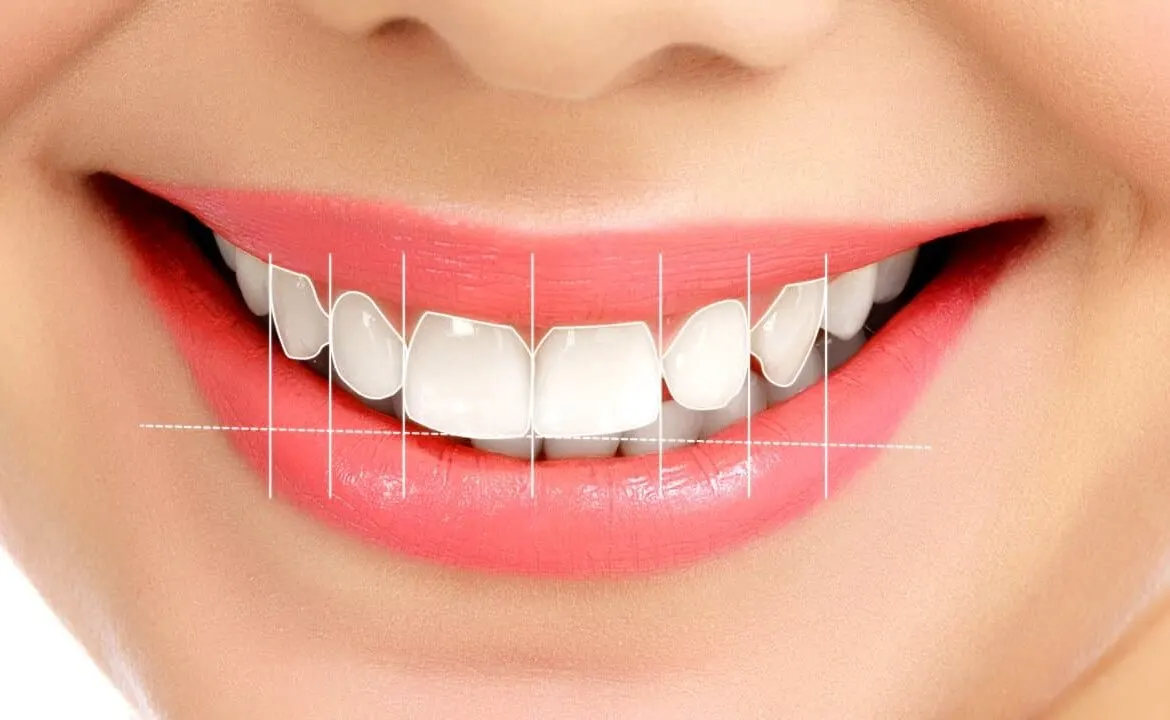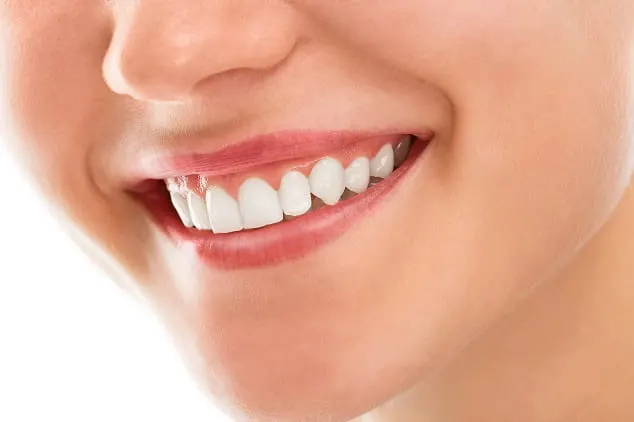
When the upper gums show prominently during a smile, this is commonly called a gummy smile. It is usually described as more than about 3-4 millimetres of gum showing above the teeth when smiling, although what counts as excessive also depends on facial structure and personal perception. A gummy smile is not a disease and may not cause any health problem, but some people are bothered by its appearance and start researching gummy smile treatment. In this article we explain why a gummy smile happens, how it is assessed and which correction methods may be discussed depending on the cause.
What is a gummy smile?
A gummy smile is when more gum than usual becomes visible as the upper lip lifts during smiling. It is often accompanied by teeth that look short and square. It is reported to be more common in women than in men, and it may become less noticeable with age as the lip muscles relax.
The key point is that a gummy smile does not have a single cause. The same appearance can arise for different reasons in different people, and the right treatment is chosen according to that reason. This is why the gummy smile is one of the main topics in gum aesthetics, also known as pink aesthetics.
Why does a gummy smile happen?
The main causes include:
- Teeth that have not fully emerged from the gum (altered passive eruption): the teeth are of normal length, but the gum covers part of them, so they look short.
- A hypermobile upper lip: in some people the upper lip rises more than average when smiling.
- A short upper lip: a shorter lip can let more gum show.
- Excess vertical growth of the upper jaw: if the upper jawbone is long, a gummy smile can be more pronounced.
- Over-erupted front teeth: with some bite problems, the front teeth and gum have moved downwards together.
- Gum overgrowth: gum inflammation, certain medicines (for example some blood pressure, epilepsy and immune-suppressing drugs) or poor cleaning during orthodontic treatment can cause the gums to enlarge.
Many people have more than one of these causes at the same time.
How is a gummy smile assessed?
The essential step in correcting a gummy smile is identifying the cause correctly. An examination usually covers:
- The relationship between lips and teeth at rest and when smiling
- The length and width-to-length ratio of the upper front teeth
- Gum thickness, gum health and symmetry of the gum line
- The distance between the gum and the underlying bone (with X-rays or probing if needed)
- The bite and jaw structure
- Medicines you take and your general health
Photographs and video can help analyse how the lip moves during a smile. In some cases a digital design can preview the planned gum line.
Gummy smile treatment options by cause
Treatment options vary with the type of cause and how marked the appearance is:
- Gingivectomy and gum contouring: if there is excess gum tissue, it is removed to adjust tooth length and the gum line. This is usually done under local anaesthesia with surgical instruments or a laser. You can read more about gingivectomy and gum surgery on the related page.
- Crown lengthening: a more extensive surgical procedure used when the underlying bone also needs reshaping. This distinction matters, because if only gum is removed, the tissue may return to its previous level over time.
- Orthodontic treatment: if the front teeth have over-erupted or there is a bite problem, tooth position can be corrected orthodontically, sometimes with the help of small temporary anchorage screws.
- Treatments that reduce lip movement: for a hypermobile upper lip, botulinum toxin injections given by qualified clinicians may be considered. The effect is temporary and usually lasts a few months. Surgical procedures that reposition the lip are also an option, but they are not suitable for every case.
- Jaw surgery: in advanced cases where the upper jaw is markedly overdeveloped, jaw surgery combined with orthodontics may be discussed. This requires comprehensive planning.
If you would also like to change the shape or colour of your teeth after gum contouring, this can be handled within an overall smile design plan.
Recovery, risks and limits
In the first days after gum contouring you may notice mild tenderness, swelling and some discomfort when eating; in most cases these ease within a few days. The gum surface usually heals within one to two weeks, while the tissue may take from a few weeks to a few months to settle into its final shape. During this time, soft foods, gentle cleaning of the area and avoiding smoking are usually advised.
Possible risks and limits include:
- Temporary bleeding, swelling or tenderness
- Sensitivity to hot and cold if root surfaces become exposed
- An appearance of gum recession if too much tissue is removed
- Some regrowth of gum tissue over time
- Not achieving the expected look if the cause was misidentified
With temporary treatments such as botulinum toxin, the appearance returns as the effect wears off, whereas orthodontics and jaw surgery are longer and more extensive treatments. Whichever method is chosen, results vary from person to person.
Frequently asked questions
Does a gummy smile go away on its own?
In some situations, such as altered passive eruption, the gums may recede slightly during the teenage years, and the appearance may lessen with age as the lip muscles relax. In adults, however, a gummy smile caused by bone structure or excess gum usually does not correct itself. If gum overgrowth is due to inflammation, treating the gums can noticeably change the appearance.
Are the results of gummy smile treatment long-lasting?
That depends on the method. Well-planned gum and bone reshaping can give long-lasting results in many cases, although some tissue regrowth is possible. The effect of botulinum toxin, on the other hand, is temporary and usually lasts a few months.
Can a gummy smile be fixed with a laser?
When the cause is excess gum tissue, a laser is one of the tools used for gum contouring and may lead to less bleeding in some cases. If the cause is bone structure or lip movement, however, laser gum treatment alone may not be enough. The method is chosen according to the case.
How long does it take to recover from a gingivectomy?
In most cases the gum surface heals within one to two weeks. The tissue may take a few weeks to a few months to reach its final shape. If crowns or veneers are planned, dentists usually wait until the gum has fully healed.
Correcting a gummy smile starts with the right diagnosis, as the same appearance can have different causes in different people. A dental examination in Kahramanmaraş, or wherever you live, is a calm first step to understand why your gums show and to plan the approach that suits you.
This article is for general information only; the right treatment for you is decided by your dentist after an examination and any necessary tests.