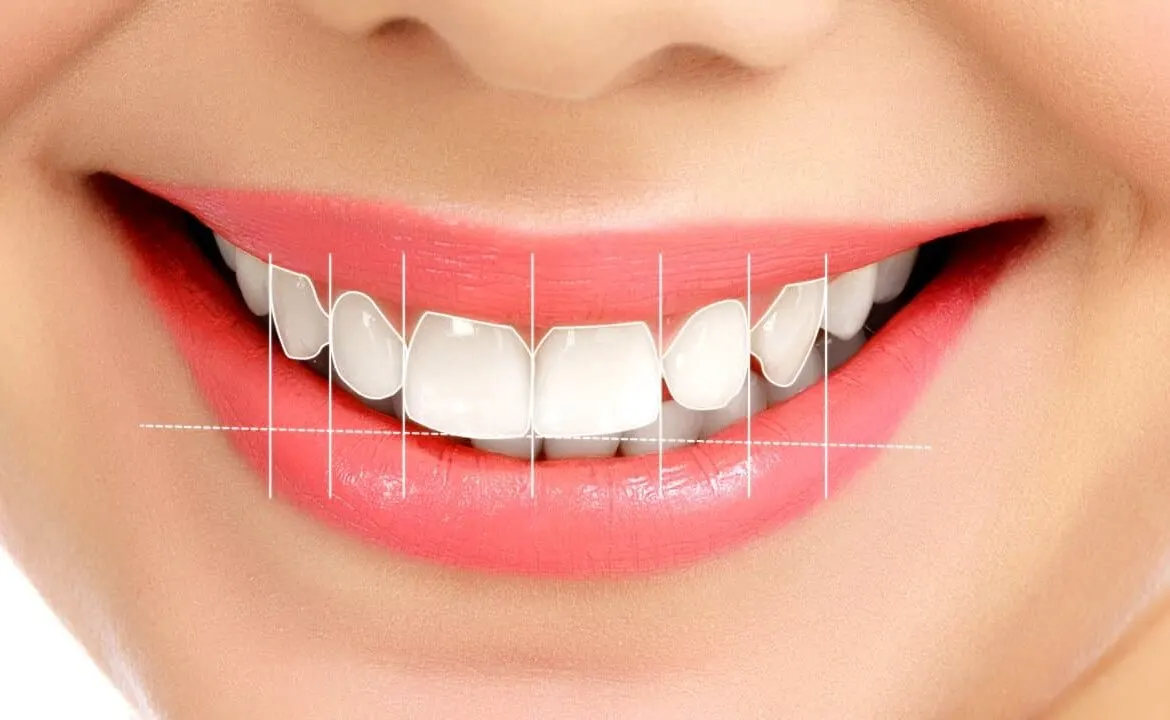
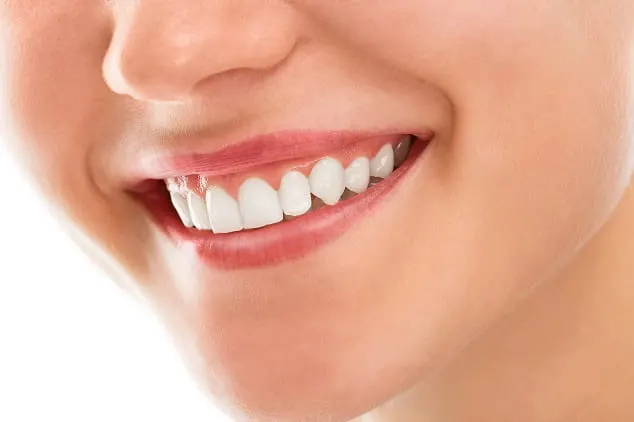
One of the first things people ask when considering zirconia crowns is how much of their teeth will be “filed down”. In dentistry this step is called tooth preparation. Tooth preparation for zirconia crown treatment is needed so the crown can sit on the tooth at the right thickness, without a bulky edge, and stay firmly in place. The amount removed is not the same for everyone: the position of the tooth, its current condition and the type of zirconia chosen all have a direct effect. In this article we explain why teeth are reduced, how much structure is usually removed and what the procedure means for the health of the tooth.
Why does a tooth need to be reduced for a zirconia crown?
A zirconia crown covers all visible surfaces of a tooth. It needs a certain thickness, which matters both for strength and for a natural-looking shade. If a crown were placed without any reduction, the tooth would look thicker and larger than it should, the edge near the gum would overhang and plaque would collect there more easily.
The main aims of tooth preparation are:
- Creating space so the crown can be made thick enough to resist fracture
- Keeping the size and proportions of the tooth within natural limits
- Allowing the crown margin to finish smoothly in harmony with the gum
- Making room for correct contact with the opposing teeth when biting
- Removing any decay, old fillings or weak tooth structure
If you would like an overview of the whole treatment, you can read more about zirconia crowns and how they are planned.
Tooth preparation for zirconia crown: how much is usually removed?
The amount is measured in fractions of a millimetre and varies by surface. Approximate values commonly used in research and clinical practice are:
- Monolithic (single-piece) zirconia: usually 0.5-1 mm from the side walls and, in many cases, around 1-1.5 mm from the biting or incisal edge.
- Porcelain-layered zirconia: because extra space is needed for the porcelain layer, usually 1-1.5 mm from the side walls and around 1.5-2 mm from the incisal edge.
- Margin area: a ledge or chamfer of usually 0.5-1 mm is prepared at the gum line.
For comparison, metal-ceramic crowns generally need a little more reduction, while porcelain veneers usually need much less. These figures are only a general guide; the amount is planned separately for each tooth.
There are also differences between front and back teeth. On front teeth appearance comes first and the enamel is relatively thin, so the dentist tries to limit tissue loss while keeping the colour and shape goals in mind. On back teeth, chewing forces are higher, so leaving enough thickness on the biting surface of the crown is the priority. Teeth that have had root canal treatment and are largely made up of filling material may first need a core build-up or a post to strengthen them.
What decides how much is removed?
Even two teeth in the same mouth may need different amounts of preparation. Your dentist usually considers:
- Current condition of the tooth: if there is a large filling, a fracture or decay, these areas are cleaned anyway, which changes the shape of the preparation. Worn teeth may need very little extra reduction.
- Position of the tooth: a tooth that sits forward may need more reduction, one that sits further back may need less. With significant crowding, orthodontic treatment is considered first.
- Type of zirconia: monolithic zirconia can be made thinner, so it generally needs less reduction.
- Colour change needed: masking a very dark tooth may require a slightly thicker crown.
- Bite and biting force: if you clench or grind, crown thickness and type are planned accordingly.
Digital scanning and design can help plan the amount of reduction in advance. Information on digital prosthetics and crown planning gives an idea of how this works.
How is the tooth prepared?
The process varies by person, but it usually follows these steps:
- Examination and X-rays: the vitality of the tooth, the root and bone, and gum health are checked.
- Planning: where needed, the target shape is set with a digital design or a temporary trial in the mouth. This helps avoid removing more than necessary.
- Local anaesthesia: for living teeth the area is numbed; you usually feel vibration and pressure.
- Controlled reduction: using depth-marking burs or guide keys, tooth structure is removed to the planned amount with water cooling.
- Impressions: taken with an intraoral scanner or conventional materials.
- Temporary crowns: the prepared teeth are protected with temporaries until the final crowns are ready.
During preparation, care is taken to control heat and avoid removing more than needed, in order to protect the nerve of the tooth.
Effects on the tooth and possible risks
Tooth preparation for a zirconia crown cannot be reversed: enamel and dentine that are removed do not grow back. The decision should therefore be made carefully, and less invasive options should also be discussed. Possible effects include:
- Temporary sensitivity: sensitivity to hot and cold can last from a few days to a few weeks.
- Nerve problems: although it does not happen in most cases, some teeth may develop nerve inflammation over time and need root canal treatment. The risk is higher in teeth with a history of deep decay or large fillings.
- Gum reaction: because the margin is prepared at the gum line, short-term gum tenderness or bleeding may occur.
- Weakening of the tooth: if a tooth is over-reduced, the crown may hold less well, which is why measured preparation matters.
For sound teeth with only mild colour or shape concerns, options that remove less tooth structure, such as whitening, bonding or porcelain veneers, may be considered first.
Frequently asked questions
Are teeth completely cut down for zirconia crowns?
No. A thin layer, usually somewhere between half a millimetre and two millimetres depending on the surface, is removed and the core of the tooth is preserved. The amount is planned according to the condition of the tooth and the type of crown.
Can prepared teeth be left without crowns later?
Prepared teeth have lost part of their enamel, so leaving them uncovered is not recommended. They become more prone to sensitivity, staining and decay. If a crown is replaced, the tooth usually needs to be covered again with a new one.
Does tooth preparation for a crown hurt?
For living teeth the procedure is done under local anaesthesia, so most people feel vibration and pressure rather than pain. Mild sensitivity may follow for a few days once the anaesthetic wears off. In most cases this settles on its own.
Will I need a root canal after my tooth is prepared?
Most teeth do not need root canal treatment after a crown. However, teeth with deep decay, large fillings or a history of trauma may be affected over time. Your dentist assesses this risk beforehand with an examination and X-rays.
How much a tooth needs to be reduced for a zirconia crown varies from person to person and from tooth to tooth. A dental examination is a calm and sensible starting point to review the condition of your teeth, discuss any less invasive options and plan what suits you.
This article is for general information only; the right treatment for you is decided by your dentist after an examination and any necessary tests.