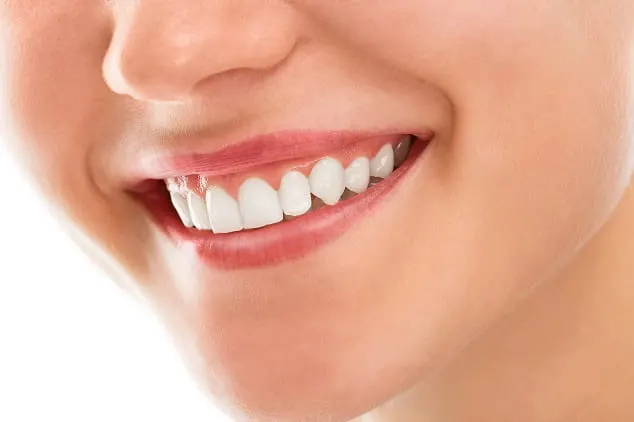
For many people considering smile design, the main question is whether the result will look natural. Very white, identical and oversized teeth are a look most people want to avoid. A natural looking smile design aims to plan the shade, shape and length of the teeth so they suit the person’s face, age, lips and gums. How natural the result looks depends on careful planning, the material chosen, the condition of the existing teeth and gums, and the person’s expectations. In this article we look at how shade, shape and length are chosen for a natural appearance and which factors can make a smile look artificial.
Why does smile design sometimes look artificial?
An artificial-looking smile usually comes down to a few common causes:
- Overly white shade: a tooth colour much lighter than the skin tone and the whites of the eyes can make the teeth stand out.
- A single flat colour: natural teeth change colour from the gum line to the biting edge, and the edge is usually more translucent. One uniform shade can reduce the natural effect.
- Identical teeth: natural teeth have small asymmetries and individual features. Perfectly symmetrical, identical teeth can give an artificial impression.
- Teeth that are too thick or too long: overly thick restorations push the teeth forward, and teeth that are too long can clash with the lips.
- Poor harmony with the gums: an uneven gum line or a dark line at the crown margin can make the result look less natural.
Most of these factors can be addressed at the planning stage. Naturalness is judged by looking at the smile as a whole rather than at a single tooth; when teeth, gums, lips and face work together, the result is perceived as more natural. That is why the dentist looks at the overall smile before individual teeth. For an outline of the treatment itself, see the page on smile design.
Choosing the shade in a natural looking smile design
Shade selection is a frequently discussed part of a natural result. When choosing a shade, the dentist usually considers:
- Skin tone and the whites of the eyes: a tooth colour that harmonises with the face does not jump out.
- Age: teeth naturally darken a little and change in translucency over the years. A very light shade can look conspicuous on an older face.
- Remaining natural teeth: if only a few teeth are being restored, the shade is matched to the neighbouring teeth. If needed, teeth whitening is done first and the restorations are then made to the new shade.
- Translucency and colour gradients: slight translucency at the edges and a slightly warmer tone towards the gum are features of natural teeth.
The shade is chosen in daylight and under different lighting conditions, using shade guides and photographs.
How are tooth shape and length decided?
Tooth shape and length shape the character of a smile. These choices usually take into account:
- How much tooth shows at rest: with the lips slightly apart, a few millimetres of the upper front teeth showing is considered natural for many people; the amount varies with age and sex.
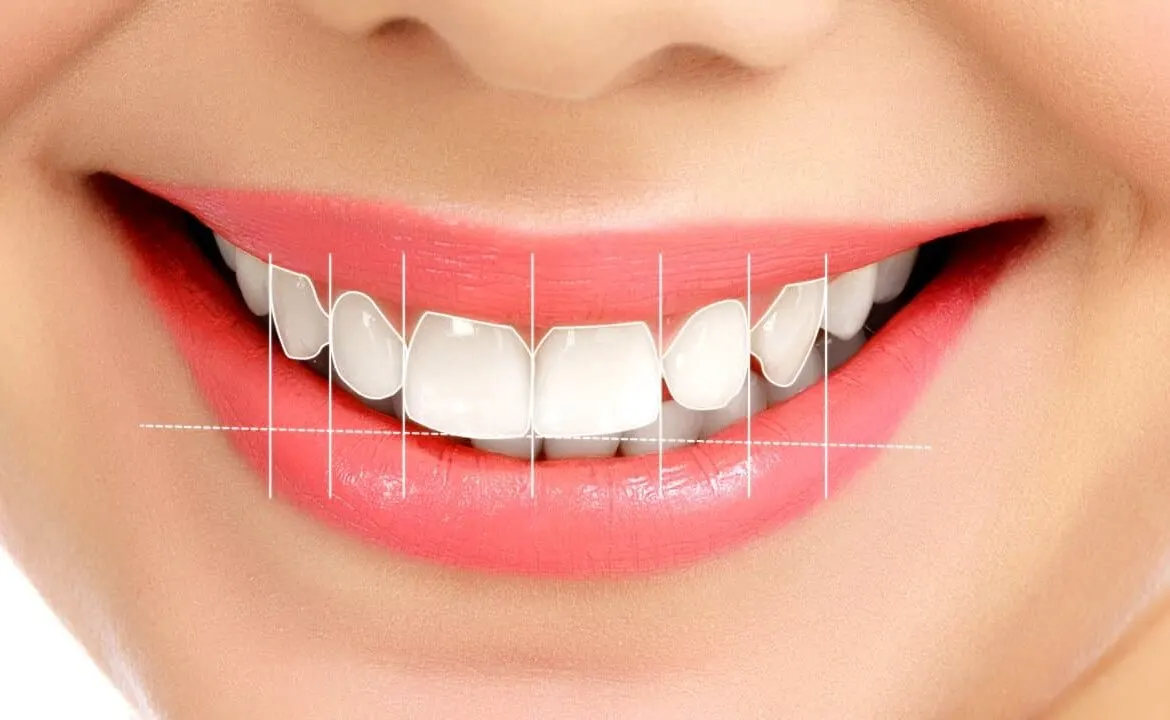
- The smile line: when the edges of the upper front teeth follow the curve of the lower lip, the smile tends to look harmonious.
- Tooth proportions: the width-to-length ratio of the front teeth and the gradual reduction in size towards the side teeth are considered.
- Facial features: rounder or more angular teeth may be chosen according to the person’s expression and preferences. There are no fixed rules; the goal is a good fit for the individual.
- Speech and function: tooth length can affect sounds such as “f” and “v” and the way the teeth meet. Function is therefore assessed alongside appearance.
Surface texture also plays a part. Natural teeth have fine lines and gentle undulations, whereas completely smooth, glossy surfaces can sometimes look artificial. Following the dentist’s plan, the ceramic technician can reflect these details in the restorations.
Planning and the trial stage
When a natural look is the goal, planning is decisive. The process usually includes:
- A clinical examination, gum assessment and X-rays if needed
- Facial and smile photographs, and in some cases video
- A digital design showing the planned tooth forms
- In suitable cases, a temporary trial in the mouth so you and your dentist can assess the result together
- Changes to the design based on your feedback
You can find more detail on digital planning methods in the article on digital smile design and aesthetic planning. At this stage, sharing your expectations openly, for example whether you prefer a more striking or a more understated smile, helps the result suit you.
Limits and realistic expectations
Even when a natural look is the aim, the same result is not achievable in every case. Some limits are:
- If the gum line is uneven, working on the teeth alone may not be enough; gum reshaping may be needed.
- Masking very dark teeth may require more opaque materials, which can limit translucency.
- With significant crowding, orthodontic treatment may be needed first.
- Ceramic and composite materials can look close to natural teeth but are not identical; edge staining or gum recession may appear over time.
- Tooth structure that is removed does not grow back, so less invasive options should be considered first.
The result can change over time depending on oral hygiene, regular check-ups and habits.
Frequently asked questions
Do teeth look natural after smile design?
When planning is careful and the shade, shape and length suit the person’s face, smile design can look natural in many cases. However, the outcome depends on the condition of the teeth and gums, the material chosen and your expectations. A trial during planning helps you assess the result in advance.
Should my teeth be as white as possible?
Very light shades do not suit every face and can look artificial. The shade is usually chosen by considering skin tone, the whites of the eyes, age and the remaining natural teeth. If you prefer a lighter shade, it is worth discussing with your dentist while looking at how it would appear.
Can I choose the shape of my teeth myself?
Yes, your expectations and preferences are an important part of planning. Your dentist weighs them together with your facial structure, lip movement, bite and speech. A digital design or a trial in the mouth can help you compare options.
Will smile design look dated as I get older?
The colour of ceramic restorations generally stays stable, while natural teeth, gums and facial features change over time. As a result, gum recession or a colour difference may become noticeable at the margins over the years. Regular check-ups allow small adjustments to be planned when needed.
A natural-looking smile is possible with individual planning; no standard shade or shape suits everyone. A dental examination is a calm starting point to discuss the options that suit your face, your teeth and your expectations.
This article is for general information only; the right treatment for you is decided by your dentist after an examination and any necessary tests.