Sometimes dental problems are not limited to a single tooth. Missing teeth, teeth worn down or broken over the years, old and ill-fitting crowns, bite problems and cosmetic concerns can all exist at the same time. In these situations, rather than treating each problem separately, the whole mouth needs to be planned as one. Full mouth rehabilitation is a comprehensive treatment approach that aims to restore chewing function, the bite, oral health and appearance together. In this article we look at how implant treatment and smile design are combined in one plan, who it may be considered for, its stages and its limits.
What is full mouth rehabilitation?
Full mouth rehabilitation, sometimes called full mouth reconstruction, is a multi-stage treatment plan in which most or all of the teeth in the upper and lower jaws are reassessed and restored. It is not a single procedure; it is a sequence of different treatments chosen according to each person’s needs.
Treatments that may be part of a rehabilitation plan include:
- Gum treatment and professional cleaning
- Fillings, root canal treatment and extraction of teeth that cannot be saved
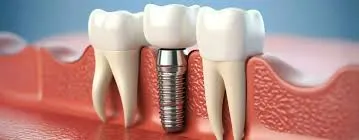
- Implants for missing teeth, with bone grafting or a sinus lift if needed
- Orthodontic treatment to reposition teeth
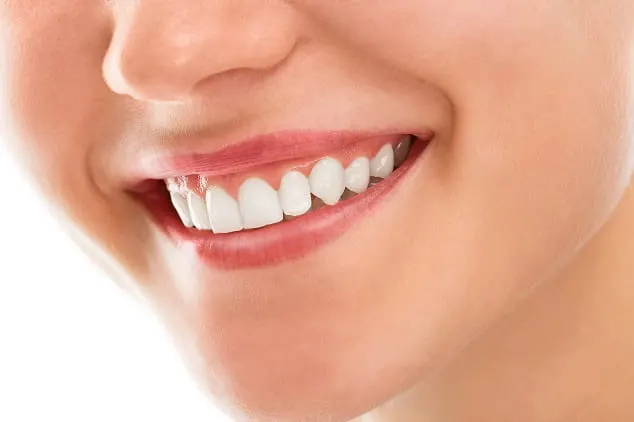
- Cosmetic restorations such as zirconia crowns, porcelain veneers or bonding
- Fixed or removable implant-supported prostheses
- Pink aesthetics such as gum contouring
- Bite adjustment and a night guard
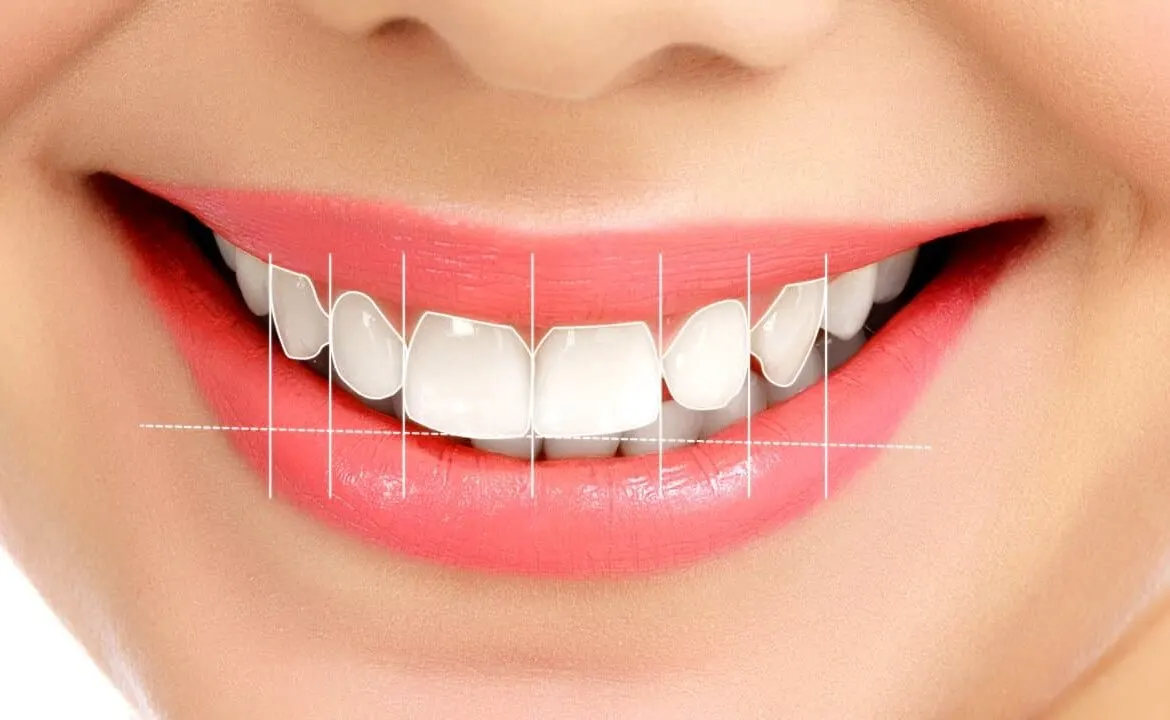
Smile design represents the cosmetic side of the work, while implants and other treatments create a healthy, functional foundation. When the two are planned together, cosmetic goals and the needs of chewing and the bite can be considered at the same time.
Who might full mouth rehabilitation be considered for?
Comprehensive rehabilitation usually comes up when several problems are present together:
- People with missing teeth in more than one area who also have cosmetic concerns about their front teeth
- People whose teeth are noticeably worn from grinding, acid erosion or ageing
- People whose bite has collapsed, whose teeth have drifted or whose lower face looks shortened
- People with many old, ill-fitting or broken restorations
- Denture wearers looking for a more stable, fixed option
It is not suitable for everyone. Poorly controlled diabetes, certain bone diseases and the medicines used to treat them, a history of radiotherapy to the head and neck, heavy smoking and poor oral hygiene can increase risks, particularly at the implant stage. In these cases the dentist may ask for further tests, divide treatment into stages or suggest different options. Being able to commit time to a long process and attend regular check-ups is also part of the plan.
Planning: health first, then function, then appearance
The success of comprehensive rehabilitation depends heavily on planning. Planning usually includes these steps:
- Detailed examination: The teeth, gums, bone, jaw joint and bite are assessed, and your general health is reviewed.
- Imaging and records: A panoramic X-ray, 3D CT imaging where needed, photographs and intraoral scans or impressions are taken.
- Treatment sequence: The dentist decides which teeth can be kept, which need to be removed and where implants should go.
- Digital design and trial: Cosmetic goals can be shown digitally or with a temporary trial. This stage is used to discuss expectations and to test the bite.
- Discussing options: The dentist explains the different treatment options with their advantages, limits and maintenance needs. Questions about cost are considered in light of this plan.
The general principle is that health problems such as infection, decay and gum disease are dealt with first; then function is rebuilt with implants and bite correction; and cosmetic restorations are completed once that foundation has settled.
The treatment process and timeline
How long rehabilitation takes depends on the scope of the work. Some plans can be completed within a few months, while cases that need bone grafting or orthodontics can take more than a year.
Typical stages can be summarised as follows:
- Preparation phase: Gum treatment, extractions, root canal treatment and fillings. This usually takes a few weeks.
- Implant surgery and healing: Implants usually take around 2 to 6 months to integrate with the bone. If a bone graft or sinus lift was needed, this can take longer. Temporary dentures or temporary crowns may be worn during this time.
- Bite and cosmetic trial: The new bite and the look of the teeth are tried out with temporary restorations for a while, and adjustments are made if needed.
- Final restorations: Crowns on the implants and zirconia crowns or veneers on the natural teeth are made and fitted.
In suitable cases, immediate loading (same-day implant) approaches, where temporary teeth are fitted on the day the implants are placed, may also be considered; the dentist decides based on bone quality and the initial stability of the implant.
Risks, limits and long-term care
Like any comprehensive treatment, full mouth rehabilitation has risks and limits. Swelling, bruising, temporary pain and, rarely, infection can occur after surgery. Implants integrate with the bone successfully in most cases, but there is a chance of failed integration or of inflammation around the implant (peri-implantitis) in later years. Ceramic restorations can chip, develop margin problems or show colour mismatch. Adapting to a new bite can take time for some people.
To protect the result over the long term:
- In addition to daily brushing, clean around implants and crowns with interdental brushes, floss or a water flosser.
- If you grind your teeth, wear the night guard your dentist recommends consistently.
- Stopping or cutting down smoking matters for implant and gum health.
- Attend check-ups and professional cleaning at the intervals your dentist sets, usually every 3 to 6 months.
Frequently asked questions
How long does full mouth rehabilitation take?
It depends on the number of treatments needed and the condition of the bone. In cases that do not need bone grafting or orthodontics, the process is often completed within a few months. When additional surgery or tooth movement is needed, it can take more than a year.
Will I be without teeth during treatment?
In most cases temporary dentures or temporary crowns are used for appearance and function. This means you can still smile and eat during the healing period. The type of temporary restoration is decided by the dentist according to the implants and the treatment plan.
Are all teeth replaced with implants?
No. One aim of rehabilitation is to keep natural teeth that can be saved wherever possible. Implants are planned only for missing teeth or teeth that cannot be saved; healthy teeth may be treated with crowns, veneers, bonding or simply monitored.
How long do the results of full mouth rehabilitation last?
Longevity depends on oral hygiene, regular check-ups, smoking, grinding and general health. With good care, implants and ceramic restorations can function for many years in most cases. Even so, some components may need repairing or replacing over time.
Starting with a comprehensive plan
Full mouth rehabilitation is a process made up of different components for each person, and it calls for patience and cooperation. If missing teeth, wear and cosmetic concerns occur together, a detailed dental examination and the necessary tests can help you calmly plan the options and treatment sequence that suit you.
This article is for general information only; the right treatment for you is decided by your dentist after an examination and any necessary tests.