Is Morning Jaw and Headache a Symptom of Bruxism?
When you wake up on a cool morning in Kahramanmaraş, instead of feeling rested and energetic, do you start the day with a throbbing pain in your temples, a “beaten-up” fatigue in your facial muscles, and an indescribable stiffness in your jaw? Many of us dismiss this situation by saying “it’s the weather,” “it’s the air conditioning,” or “it’s the pillow.” We force ourselves to eat breakfast, take painkillers, and get to work.
However, these symptoms can be a very clear message from your body: “You clenched your teeth all night!” Bruxism, the medical term for teeth grinding, is a syndrome that is becoming increasingly common in Kahramanmaraş, silently stealing quality of life.
Making the Connection: Why Does Jaw Grinding Cause Headaches?
This is the point that surprises our patients the most: “My tooth doesn’t hurt, my head hurts; why should I go to the dentist?”
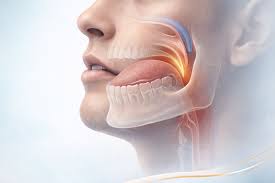
The answer lies in Anatomy. The “Temporal Muscle,” one of the largest muscles that allows us to close our jaw, starts from the temple area and spreads like a fan to the side of the head. When you clench your teeth all night (Bruxism), this muscle works for hours, continuously and under tons of load.
You can compare this to clenching your fist for 8 hours in your sleep. Just like your arm aches when you wake up in the morning; When you clench your teeth at night, the temporal muscles in your temples accumulate “lactic acid” and spasm. That “vise-like” headache you feel in the morning is actually the cry of your tired jaw muscles.
5 Definite Morning Symptoms of Bruxism
If you wake up with the following symptoms, you most likely have “Hidden Bruxism”:
- 1. Throbbing in the Temples
This is the symptom most often confused with migraine. Pressure is felt on both sides of the head, especially in the temples and above the ears. The pain may decrease later in the day as the muscles relax. - 2. Temporomandibular Joint (TMJ) Pain
There is tenderness in the area just in front of your ear. You may hear a “clicking” sound when opening and closing your mouth, or you may feel like your jaw is catching. - 3. Facial Muscle Fatigue
You feel your muscles stiffen and ache when you touch your cheeks. Even chewing bread at breakfast can feel tiring. - 4. Tooth Sensitivity
Even though you don’t have cavities, you experience sudden throbbing pain in the mornings when you touch cold water or air. This is due to micro-cracks in the tooth enamel caused by clenching. - 5. Marks on the Tongue and Cheeks
If you see “serrated” tooth marks on the edges of your tongue or a white line (Linea Alba) on the inside of your cheek when you look in the mirror; it means you have been pressing your soft tissues against your teeth overnight.
📍 The Kahramanmaraş Factor: Harsh Culinary Culture
Kahramanmaraş cuisine; Tarhana chips (firik), “eli böğründe” (a type of Turkish sandwich), hearty meat dishes, and pistachio desserts are just some of the foods that require strong chewing power. These delicacies are wonderful, but they’re like a “marathon” for the jaw muscles.
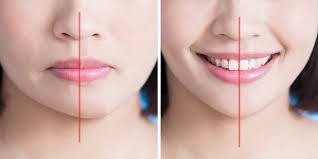
If you clench your teeth at night, your muscles are already tired when you wake up. When you consume tough Maraş tarhana or nuts during the day, you don’t give your muscles a chance to rest. This leads to excessive growth of the “Masseter” muscle (cheek muscle) and chronic pain. We frequently observe this muscle growth (square face appearance) in our patients from Kahramanmaraş.
Migraine or Bruxism? How to Differentiate?
Many patients suffering from headaches seek solutions in neurology clinics for years. To make the distinction, take a look at this table:
| Feature | Migraine | Bruxism (Teeth Grinding) Pain |
|---|---|---|
| Time of Pain | Occurs in attacks, not always. | Usually present every morning upon waking. |
| Location of Pain | Usually unilateral. | Usually bilateral (temples) and band It is in the form of. |
| Trigger | Light, sound, smell. | Stress, busy day, chewing. |
| Accompanying Symptoms | Nausea, aura. | Toothache, jaw clicking, earache. |
| Response to Treatment | Resolves with migraine medication. | Relieves with muscle relaxants, warm towel or splint. |
🧠 Danger of Referred Pain
Spasms in the jaw muscles can affect not only the head but also the neck and shoulders. Patients often think, “I have a herniated disc in my neck” or “I was exposed to a draft.” However, jaw positionThe disorder and nighttime clenching in the jaw disrupt the posture of the head and strain the neck muscles. Untreated bruxism can affect the health of the entire spine.
Solutions: Waking Up to Pain-Free Mornings
In modern clinics in Kahramanmaraş, holistic approaches are applied to solve this problem. The aim is not only to relieve pain but also to “discipline” the muscles.
1. Custom-Made Night Guard (Occlusal Splint)
These are not ready-made splints from the pharmacy, but rigid splints specially produced by a physician according to your jaw structure. These splints prevent the teeth from contacting each other, bring the joint to the ideal position, and break the “clenching memory” of the muscles.
2. Masseter Botox (Teeth Grinding Botox)
This is the most popular treatment in recent years. Botox is applied to the overly strong cheek muscles (masseter) to weaken the muscle. Chewing function is not impaired, but the patient cannot clench their teeth as strongly at night even if they want to. Both the pain is relieved and the face is slimmed down (aesthetic gain).
What Can You Do at Home?
* Warm Towel: Apply a warm towel to your cheeks when you wake up in the morning.
* Soft Diet: Avoid hard foods like tarhana, chewing gum, and peanuts during painful periods.
* Awareness: If you notice yourself clenching your teeth during the day, immediately relax your jaw. Apply the “lips closed, teeth apart” rule.
Conclusion: Listen to Your Body
Waking up with jaw and headaches in the mornings is not your destiny. This is your body’s way of telling you, “I’m under stress and I’m clenching my teeth, help!”
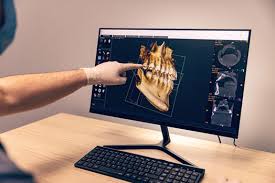
In Kahramanmaraş, at specialized jaw surgery and bruxism treatment centers, you can permanently get rid of this problem with an accurate diagnosis (MRI or CT scan if necessary). Instead of suppressing symptoms with painkillers, get to the root of the problem. Protect your teeth and your quality of life.