
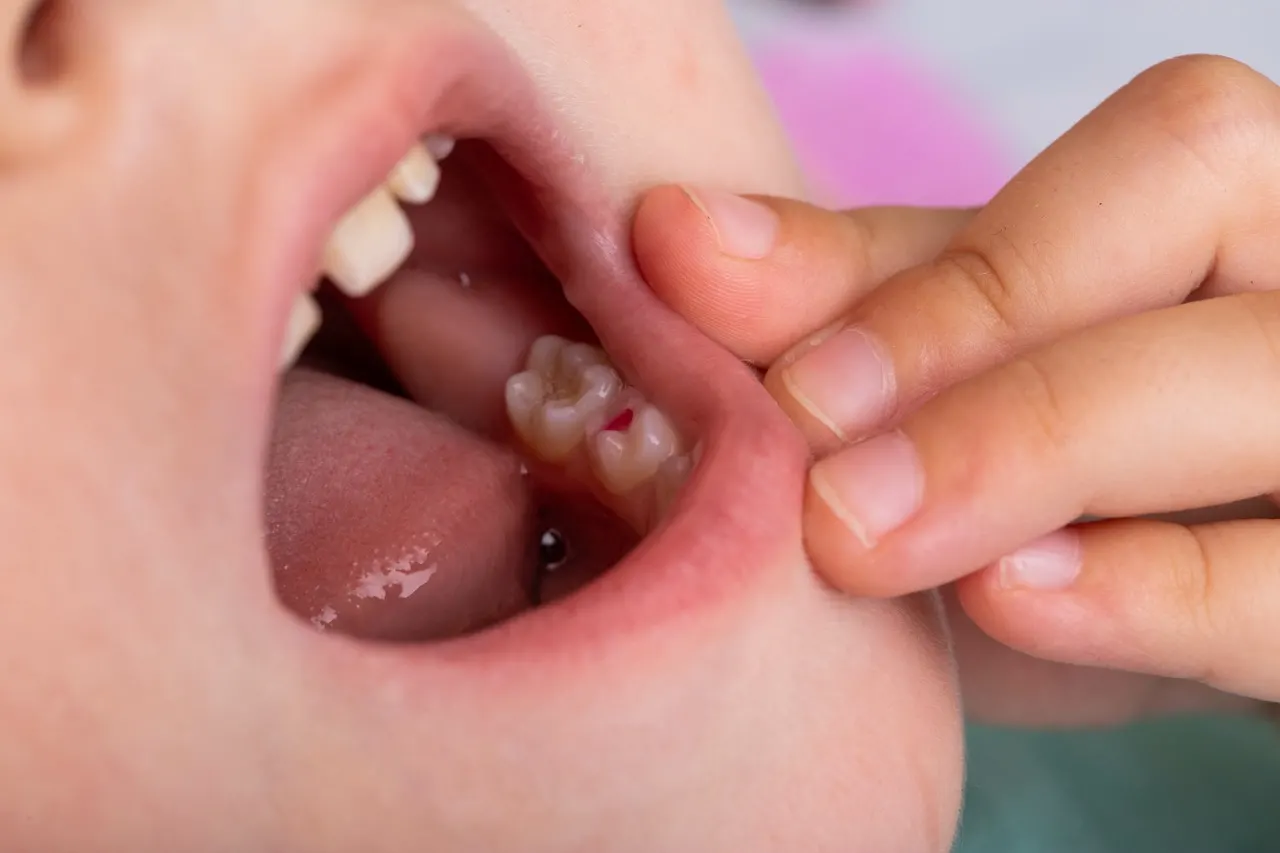
At What Age Can Children Get Filling Treatments?
One of the most common misconceptions parents have about their children’s dental health is the belief that dental treatment cannot be done before a certain age. Questions like, “My child is only 2 years old, can they get fillings at this age?”, “Their baby teeth will fall out, is there any need for treatment?”, or “How will they sit in the doctor’s chair?” occupy parents’ minds, unfortunately leading to the progression of cavities and making treatment more difficult. However, in modern dentistry, especially in the field of Pedodontics (Pediatric Dentistry), the determining factor for treatment is not the child’s chronological age, but their “dental age” and the current condition of the tooth.
As long as there are teeth in the mouth, there is also a risk of cavities. The first baby tooth erupts at approximately 6 months of age, and from this moment on, the risk of “Early Childhood Caries” (Bottle Caries) begins. Therefore, the age for filling treatment is the age at which the cavity begins.
Is There a “Lower Age Limit” for Dental Fillings?
The short and clear answer: No, there isn’t. There is no lower age limit for dental treatment. If a child has a tooth and it has decay or a fracture leading to loss of tooth structure, it should be treated regardless of age. Bottle caries in an 18-month-old baby and permanent tooth decay in a 10-year-old child are treated with the same seriousness.
The key criterion here is the child’s “cooperation.” While performing a filling on a 3-year-old child and a 7-year-old child are technically based on the same principles, they require completely different approaches in terms of “behavior management.” Pedodontists determine the most appropriate method (in-chair treatment or sedation/general anesthesia) based on the child’s age and psychological state and perform the procedure accordingly.
Treatment Approaches According to Age Groups
The child’s age determines “how” the treatment will be done, not “whether” it will be done. Here are the filling treatment strategies according to age groups:
0-3 Age Group (Infancy and Play Period)
The most common problem in this age group is “Bottle Caries.” These are cavities that start in the upper front teeth due to nighttime feeding and progress rapidly. Children in this age group cannot sit in the dentist’s chair for a long time, cannot follow instructions, and have difficulty keeping their mouths open.
- Small Cavities: Methods called “Atraumatic Restorative Treatment” (ART), where the decay is cleaned and quickly filled using only hand instruments, can be tried.
- Advanced Cavities: If there are many cavities and the child cannot cooperate, it is preferred to perform all procedures in one session under sedation or general anesthesia to avoid creating psychological trauma.
3-6 Age Group (Preschool Period)
This is the period when children begin to communicate, are curious, but also develop fears. Children at this age can usually be treated in the dentist’s chair.
- Approach: The “Tell-Show-Do” technique is used. Tools are introduced to the child as “toys” (e.g., “This is a water gun, we’re going to brush your teeth”).
- Colored Fillings: Colored (pink, blue, orange) fillings specially produced for this age group are a great tool to increase motivation. Letting the child choose their own filling color reduces fear.
6-12 Age Group (School Age and Mixed Dentition)
The child can now understand the necessity of treatment. In this period, when permanent teeth also begin to erupt, fillings can be done on both baby teeth and young permanent teeth.
Approach: Communication is established as if the child were an adult, and the details of the procedure are explained. Cooperation is generally high.
Why Shouldn’t We Say “It’ll Fall Out Anyway”?
A parent saying, “My child is too young, I won’t upset them by getting a filling, the tooth will fall out anyway,” is a well-intentioned but flawed approach. Because:
1. Pain Has No Age Limit: Toothache is equally agonizing for a 2-year-old child as it is for a 30-year-old adult. A child with a painful tooth cannot eat, sleep, or rest.
2. Risk of Infection: If decay is not treated, it can reach the nerve and cause an abscess. This infection threatens the child’s overall health and damages the structure of the permanent tooth underneath (Turner Hypoplasia).
3. Space Maintainer Function: Baby teeth guide permanent teeth. Baby teeth that are extracted prematurely or that have lost substance due to decay can lead to space loss and the need for orthodontic (braces) treatment later on.
Table of Treatment Options for Very Young Children
The following table will help parents understand treatment options based on age and condition:
| Age / Condition | Number of Cavities | Child’s Compliance | Recommended Method |
|---|---|---|---|
| 0 – 3 Years | Few (1-2 teeth) | Moderate / Good | Filling in a clinical setting with rapid techniques (ART). |
| 0 – 3 Years | Much (Widespread Caries) | Not Cooperative | All treatments in a single session under general anesthesia or sedation. |
| 3 – 6 Years | Moderate / Much | Good | Filling done in a clinical setting, divided into appointments. |
| Special Needs | Any number | Unable to Contact | Safe treatment under general anesthesia. |
Colored Fillers: Children’s Motivation
One of the biggest innovations that facilitates filling treatment in children aged 3-6 and older is “compomer” based colored fillings. These fillings, which are medically extremely safe and protect the tooth by releasing fluoride, can be in vibrant colors such as pink, blue, green, purple, and glitter. Asking the child, “Which color do you want?” gives them control and transforms the process from a “treatment” into a “design.” In this way, even a 4-year-old child can become enthusiastic about getting a filling.
Important Note to Parents
When you notice a stain or crack in your child’s tooth, don’t think, “They’re too young, the doctor won’t look.” On the contrary, the smaller the cavity and the earlier it is treated, the shorter, less painful, and less traumatic the procedure will be. While a simple filling takes 10 minutes for a 2-year-old child, root canal treatment in an advanced cavity is a much more difficult process.
Parental Contribution to the Treatment Process
Regardless of the child’s age, the parent’s attitude is crucial to the success of the treatment.
- Preparation: Playing “dental” at home helps the child get used to opening their mouth.
- Honesty: Don’t give guarantees like “It won’t hurt at all” or “They won’t give you an injection.” Give concrete and simple explanations such as “We will clean the germs in your tooth and paint it.”
- Trust: Trust your doctor. If your doctor says, “We can’t do this procedure in the chair, sedation is needed,” this is to protect your child’s psychology.
Conclusion
There is no specific age you need to wait for filling treatment in children; the only thing you need to wait for is “the eruption of the tooth.” Where there are teeth, there is a need for care and treatment. Ignoring a decayed tooth simply because your child is “too young” means leaving them with a source of chronic pain and infection. Pedodontists have the expertise to safely treat the teeth of even the youngest babies, using techniques and equipment tailored to each age group. Early diagnosis and timely treatment are key to your child having a healthy smile.







