
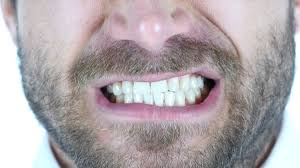
Kahramanmaraş Bruxism Diagnosis: Digital and Holistic Diagnostic Process at Dentocare Clinic
The unshakable foundation of a successful treatment in dentistry is a complete and accurate diagnosis. Especially in complex conditions like bruxism (teeth clenching and grinding), where symptoms are often confused with migraines, sinusitis, or ear pain, the diagnostic process is of vital importance. Many patients spend years searching for the source of their facial pain in the wrong places while their teeth and jaw joint silently deteriorate. As Dentocare Clinic, the leading center for Kahramanmaraş bruxism diagnosis, we apply advanced diagnostic protocols that reveal not only the existing damage but also its biomechanical and neuromuscular origins.
In our clinic, the diagnostic process begins long before the patient sits in the dental chair, starting with a detailed “patient history” (anamnesis). Diagnosing bruxism is not simply about observing worn enamel; this is merely a result of the condition. True expertise lies in analyzing the position of the joint disc, the tone (tension) of chewing muscles, and the dynamic occlusal relationship between teeth as a whole. Dentocare Clinic’s expert team uses data-driven diagnostic methods to present the real source of your pain with scientific evidence. Let’s take a closer look at the professional diagnostic steps applied in our clinic.
Clinical Examination and Differential Diagnosis: What Is the Real Source of Your Pain?
Most bruxism patients visit our clinic with complaints such as persistent temple pain or clicking sounds in front of the ear. The first step of an expert diagnostic process is to differentiate whether this pain originates from other medical conditions. For example, referred dental pain or temporomandibular joint (TMJ) disorders can sometimes mimic middle ear infections. Dentocare Clinic dentists perform a comprehensive physical examination, individually assessing trigger points in your chewing muscles and tracking joint movement trajectories with millimetric precision during mouth opening and closing.
During diagnosis, a careful distinction is also made between “sleep bruxism” and “awake bruxism.” If you wake up with intense jaw fatigue and tooth sensitivity, this indicates involuntary activity during sleep. If you notice clenching during stressful moments throughout the day, this is awake bruxism. Each condition requires a different clinical management approach. At Dentocare, diagnosis is not just a label—it is the first coordinate of your personalized treatment roadmap.
Dentocare Clinic Diagnostic Technologies: Data-Driven Evaluation
Traditional visual examinations may sometimes be insufficient to detect hidden symptoms of bruxism. Therefore, we support our diagnostic process with the most advanced tools offered by digital technology:
- 3D Jaw and Joint Tomography (CBCT): We visualize the anatomical relationship between your joint disc, mandibular condyle, and cranial base in three dimensions. This is our most powerful tool for detecting structural abnormalities within the joint.
- Digital Occlusal Scanning and Bite Analysis: Using digital sensors, we measure how much force is applied to each contact point when your teeth close. This allows us to accurately detect microscopic imbalances known as “premature contacts,” which trigger grinding.
- Intraoral Camera and Macro Imaging: We record microcracks in your enamel (craze lines) and abfraction lesions (cervical wear) with high resolution, enabling us to stage the severity of damage.
From Suspicion to Definitive Diagnosis: Symptom Overview
For a preliminary self-assessment, we have compiled the key bruxism indicators referenced during our diagnostic process in the table below:
| Symptom Category | Clinical Findings Observed During Diagnosis |
|---|---|
| Dental and Gum Findings | Flattened tooth surfaces, loss of chewing cusps, enamel cracks, unexplained tooth sensitivity, and frequent fracture of fillings. |
| Muscle and Facial Anatomy | Square facial appearance due to enlarged masseter muscles, palpable muscle stiffness, and morning pain in chewing muscles. |
| Joint and Movement Findings | Clicking sounds when opening the mouth, jaw locking sensation, restricted mouth opening, and asymmetrical jaw movement. |
| Referred Pain | Chronic pain concentrated in the temples and in front of the ear, often increasing at certain times of the day and confused with migraines. |
The First Step After Diagnosis: Treatment Planning
Once a bruxism diagnosis is established at Dentocare Clinic, a personalized file is created based on all digital data and clinical findings. After confirming the diagnosis, we discuss in detail which option—protective (splint therapy), relaxing (medical muscle relaxation), or restorative (prosthetic rehabilitation)—is most suitable for you based on the extent of damage. Accurate diagnosis not only prevents unnecessary procedures but also opens the shortest and safest path to effective treatment.
Do Not Ignore Symptoms—Discover Expert Diagnosis
Ignoring your body’s signals by dismissing them as “just fatigue” or “minor pain” may lead to irreversible joint damage and tooth loss in the future. Bruxism is a silent and progressive condition, and effective intervention is only possible with professional diagnosis.
At Dentocare Clinic in Kahramanmaraş, where modern technology meets clinical expertise, you can begin a scientific diagnostic process that will eliminate your doubts about bruxism. To learn the true source of your pain, protect the future of your teeth, and benefit from our personalized diagnostic protocols, schedule your appointment with our expert team today. With the right diagnosis, experience the comfort of waking up to healthier and more peaceful tomorrows.







