
Causes of Bruxism in Kahramanmaraş: Why Do You Clench Your Teeth During Sleep?
If you wake up in the morning with a heavy sense of fatigue in your jaw, unexplained tension in your neck area, and aching in your teeth, it means that your brain has been putting your jaw muscles through a demanding shift all night long. The problem of teeth clenching and grinding, referred to in the medical literature as bruxism, is one of the most common yet most questioned disorders of the modern age. In cities such as Kahramanmaraş, where life is becoming more dynamic and fast-paced every day, there is usually not just a single cause behind this involuntary muscle activity that people develop without even realizing it. At Dentocare Clinic, we believe that in order to manage this complex issue permanently and protect your oral and dental health, it is essential first to analyze the root causes (etiology) of the problem in depth.
The act of teeth clenching is usually only the visible part of the iceberg. When our patients visit our clinic, they often ask, “Why am I clenching my teeth, and why can’t I stop it?” The factors underlying bruxism cover a wide range, extending from the psychological burden of daily life to millimetric bite irregularities inside the mouth, from genetic predisposition to systemic sleep disorders. For this reason, a successful bruxism treatment requires correctly identifying these triggers rather than simply suppressing the symptoms temporarily. Dentocare Clinic dentists aim to find the real source of this destructive load placed on your temporomandibular joint (TMJ) by evaluating each patient’s unique lifestyle and anatomical structure through a holistic approach.
1. Psychological Factors: The Reflection of Stress and Anxiety on the Jaw
The most common and strongest trigger of bruxism without question is psychological factors. The human body tends to accumulate the stress, work pressure, financial concerns, or emotional traumas it encounters throughout the day. Although we may manage this stress consciously during waking hours, once we fall into deep sleep at night (especially during the REM phase), our subconscious takes over. The central nervous system sends rhythmic contraction signals to the jaw muscles (the masseter and temporalis muscles) in order to physically discharge this built-up tension.
A student during exam season, a professional working under an intense schedule, or any individual experiencing sudden changes in life may clench their teeth relentlessly because of this “discharge” mechanism of the central nervous system. In cases of psychologically driven bruxism, it is frequently observed clinically that the severity of teeth grinding reaches its peak in direct proportion to periods when the patient’s stress level increases. At Dentocare Clinic, while carrying out the mechanical part of the treatment, we do not neglect to provide our patients with holistic recommendations regarding stress management.
2. Anatomical and Dental Factors: Jaw Closure Disorders (Malocclusion)
The way the upper and lower teeth contact each other in our mouth is the heart of our chewing system. In a perfect bite (occlusion), the teeth fit together just like the teeth of a zipper, and the force is distributed evenly across the entire surface. However, if there is even the slightest obstacle in the mouth that disrupts this perfection, the brain perceives it as an abnormality and makes an unconscious effort to eliminate this obstacle.
The main anatomical factors that trigger dentally caused bruxism are as follows:
- Premature Contact Points: A wrongly made filling or porcelain crown that remains millimetrically higher than normal causes the brain to constantly want to wear down and level that area (occlusal trauma).
- Missing Teeth: If there are extracted teeth in the mouth whose spaces have not been restored, the adjacent teeth tip toward the gap and the opposing teeth begin to over-erupt. This completely disrupts the balance of jaw closure and pushes the muscles into involuntary contractions.
- Crowding and Orthodontic Problems: Severe irregularities in the natural tooth alignment prevent the lower jaw from finding a comfortable resting position, forcing the jaw into a continuous search and friction movement.
Classification of the Factors That Trigger Bruxism
Understanding the cause correctly means drawing the treatment roadmap correctly. During Dentocare Clinic examinations, we review our patients’ lifestyle habits and medical histories in detail. In the table below, we have compared in detail the clinical reflections of the two main groups of factors that trigger bruxism:
| Systemic and Lifestyle (External) Causes | Structural and Anatomical (Internal) Causes |
|---|---|
| Sleep Disorders (Apnea): In individuals who experience pauses in breathing (apnea) during sleep, the brain reflexively pushes the lower jaw forward and clenches the teeth in order to open the airway. Bruxism and sleep apnea are close siblings. | TMJ (Jaw Joint) Deformities: Congenital or acquired displacement of the joint disc disrupts the movement path of the jaw, leading to secondary teeth grinding. |
| Excessive Caffeine and Alcohol Consumption: Tea, coffee, and energy drinks consumed especially close to bedtime overstimulate the nervous system and create a basis for the muscles to remain hyperactive throughout the night. | Occlusal Imbalance: Previously made low-quality prostheses, old bridges, and asymmetries in tooth alignment prevent the chewing muscles from finding their anatomical resting position. |
| Medication Use and Genetics: Bruxism may develop as a side effect of certain antidepressant-type medications. In addition, genetic predisposition (heredity) is an important factor in individuals with a family history of teeth clenching. | Neurological Development: Especially during childhood, temporary teeth grinding related to the eruption process during the growth period of the jaw and facial bones (physiological bruxism) is common. |
Dentocare Clinic’s Diagnostic Approach That Gets to the Root of the Problem
As you can see, the reason why you clench your teeth during your sleep may not be simply because you “had a stressful day”; a filling placed years ago in your mouth or a sleep apnea problem may also be insidiously feeding this issue. This is exactly where the professional diagnostic approach of Kahramanmaraş Dentocare Clinic comes into play. When you visit our clinic, our dentists do not only examine the level of wear on your teeth; they also take a detailed anamnesis (medical history), simulate your jaw movements, and identify your trigger points through muscle palpation examinations.
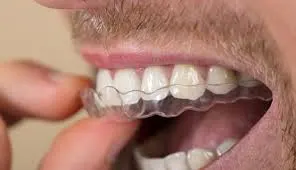
If the source of your problem is an anatomical (dental) bite disorder, we eliminate this issue through millimetric occlusal adjustments or by restoring missing teeth with implants/prostheses. If the problem is centered on the central nervous system and stress, we prepare custom-designed stabilizing night guards (splints) to protect your tooth enamel and jaw joint and secure your muscles. When necessary, through a multidisciplinary approach, we also communicate with sleep physicians or neurologists to ensure that our patient reaches the most comprehensive treatment plan.
Do Not Ignore the Root Causes, Focus on Your Health
Bruxism is not a condition to be left alone with the hope that “it will go away on its own.” Whatever the cause may be, over time it can seriously threaten your quality of life by leading to deep cracks in the teeth, locking in the jaw joint (TMJ), and unbearable neck and headaches. Finding the cause of the problem and stopping this mechanical destruction is the most rational way to prevent much more demanding dental treatments in the future.
If you also think that you are clenching your teeth for no apparent reason and complain about waking up with tired jaw muscles in the morning, you are in the right place to get to the root of the issue. Kahramanmaraş Dentocare Clinic, with its modern dentistry principles and experienced expert team, is ready to unveil the mystery behind bruxism and provide you with a lasting protection plan tailored specifically to you. For more peaceful sleep and a healthy smile, contact our clinic without delay and schedule your detailed analysis appointment right away.







