Kahramanmaraş Dental Implant Application
Dental Implantation: The Biological Reconstruction of Lost Tissues
The oral and jaw anatomy is a complex biomechanical system with a tremendous internal balance. The loss of any tooth not only creates a gap in that area; it also causes chewing forces to be distributed unevenly to the jaw joints (temporomandibular joint), the adjacent and opposing teeth to tilt toward the empty space, and most importantly, cellular destruction (resorption) in the jawbone known as alveolar bone. Modern dentistry continues to evolve in order to prevent these structural deteriorations and restore the patient’s natural chewing function. In this context, within the scope of Kahramanmaraş dental implant application, Dentocare Clinic successfully implements the most innovative and tissue-friendly treatment protocols accepted by the medical world for missing teeth problems.
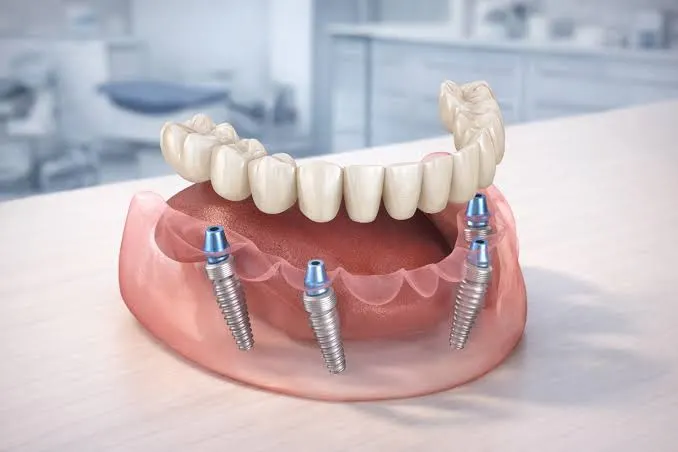
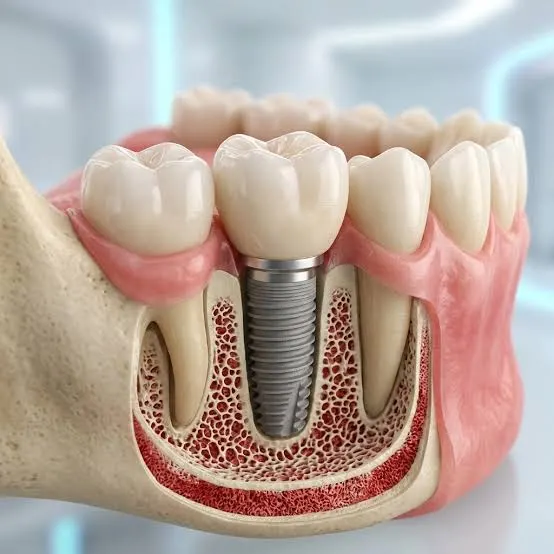
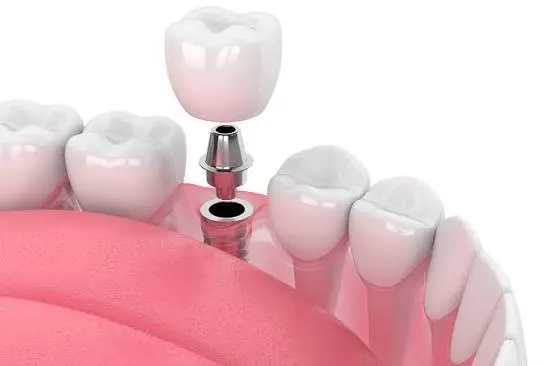
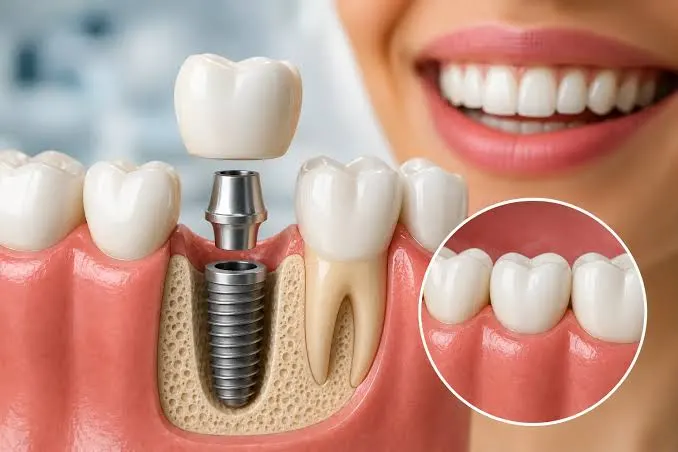
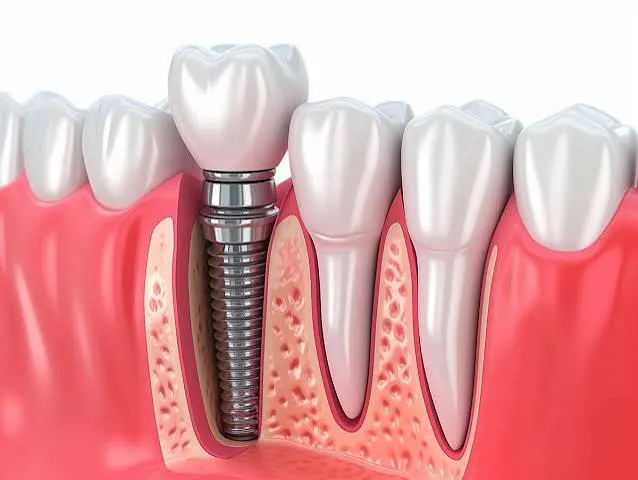
A dental implant is essentially an advanced medical screw designed to imitate the root function of a lost tooth. It is produced from biocompatible materials such as highly purified titanium or zirconium that do not react with human tissue. This biocompatibility is the key to the process known in medical literature as “osseointegration.” A cellular-level bond forms between the implant surface, which is surgically placed into the jawbone, and living bone cells. Once this microscopic fusion, which takes months, is completed, the dental implant becomes an inseparable building block of the jawbone. Dentocare Clinic specialists manage this critical integration process meticulously, creating a solid foundation that enables the aesthetic prostheses to be built on top of it to serve the patient for many years.
Dentocare Clinic Clinical Protocols: Treatment Stages
Behind a successful dental implant application lies not standardized procedures, but meticulous engineering work based on each patient’s unique anatomical data. At Dentocare Clinic, treatment processes place patient comfort and medical safety at the center of every stage, from diagnosis to prosthetic delivery. The application process generally progresses as follows:
- Radiological Examination and 3D Planning: In the first stage, the patient’s jawbone width, height, and bone density are analyzed with three-dimensional tomography (CBCT). Surgical navigation is provided by mapping sinus cavities and nerve canals.
- Advanced Surgical Preparations (When Necessary): In cases where a long time has passed since tooth loss, bone loss may be observed. In such situations, the infrastructure is strengthened through bone grafting (bone powder) or sinus lifting operations so that the implant can be placed safely.
- Surgical Placement (Implantation): Under local anesthesia, the titanium screw is placed into the bone in sterile operating room conditions. Thanks to advanced surgical techniques, trauma to surrounding tissues is minimized.
- Osseointegration (Healing) Phase: In order for the implant to fuse completely with the jawbone, a waiting period of generally 2 to 6 months is anticipated depending on the patient’s metabolic rate and bone quality.
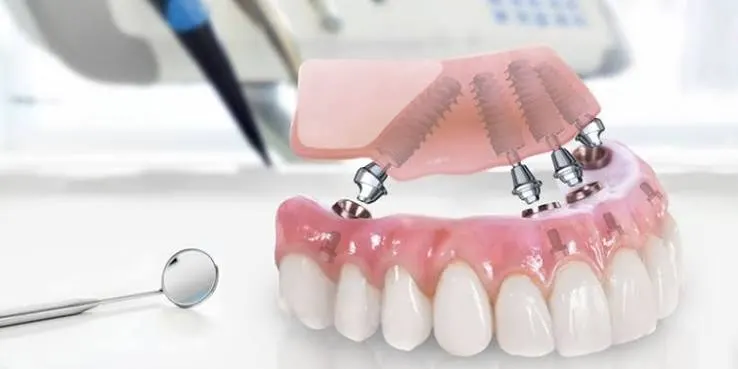
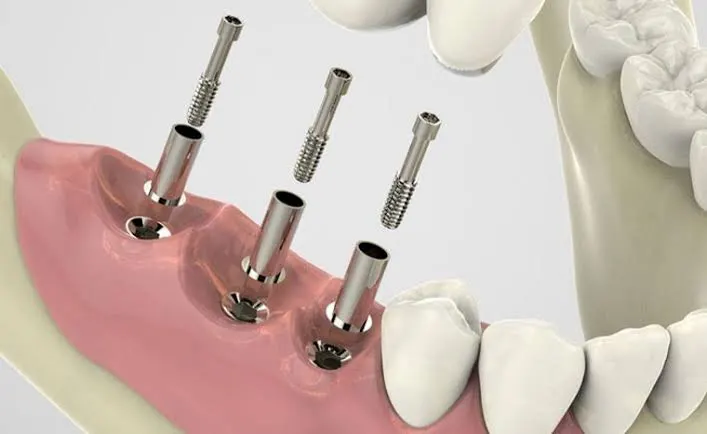
- Prosthetic Loading (Superstructure): After a gum shaper is attached to the implant that has integrated with the bone, digital impressions are taken. In the final stage, highly durable crowns (zirconium or metal-supported porcelain) that are in complete harmony with facial aesthetics and natural tooth color are permanently fixed.
Comparative Analysis of Clinical Approaches
Our patients frequently need a detailed comparison when evaluating which treatment method is more suitable for their lifestyle and biological expectations in the treatment of missing teeth. To see the clinical and functional differences between traditional approaches and modern dental implant applications more clearly, you may review the analysis table below.
| Clinical Criteria | Dental Implant (Dentocare Clinic) | Traditional Bridge Restorations |
|---|---|---|
| Tissue Preservation | No intervention is made to the healthy teeth adjacent to the gap. Only the missing area is treated. | In order for the treatment to be applied, the healthy supporting teeth on the sides must be reduced by abrasion. |
| Mechanical Strength | Since it is directly bone-supported, it shows excellent resistance to high chewing forces. | Since the chewing load is distributed to adjacent teeth, the risk of fatigue and damage in supporting teeth increases in the long term. |
| Bone Physiology | It prevents alveolar bone loss and preserves the physiological structure by transmitting chewing stimulation to the bone. | Since the bone under the pontic does not receive mechanical stimulation, tissue loss (resorption) continues over time. |
| Oral Hygiene | It is independent like natural teeth. Its care is extremely easy with a standard toothbrush and interdental floss. | Since it is a connected block structure, cleaning the lower parts with special bridge floss requires effort. |
Post-Treatment Phase: Oral Care Management for a Long-Lasting Smile
The clinical success rate of dental implant applications is over 95%; however, the lifelong sustainability of this success depends not only on the dentist’s experience but also on the patient’s post-operative care habits. Although artificial roots do not develop cavities like natural teeth, the surrounding tissues that support the implant, namely the gum and jawbone, remain living structures. Neglecting oral hygiene leads to the accumulation of bacterial plaque (dental biofilm) on the implant surface and in the gum pocket. If this situation is not controlled in time, it may pave the way for peri-implant diseases that cause the implant to lose its bone support.
Kahramanmaraş Dentocare Clinic specialists provide special oral care training for implant patients. Gentle brushing twice a day with fluoride toothpaste and the use of dental floss or an interdental brush at least once a day form the basic routine. In addition, oral irrigators that clean with water pressure are highly effective in cleaning around prostheses. Avoiding tobacco and tobacco products is a critical warning for implant health, as they impair cellular oxygenation. Regularly scheduled clinical check-ups are the strongest assurance that everything is progressing properly.
Rediscover Your Quality of Life
It is in your hands to leave behind the chewing difficulties and aesthetic concerns brought by missing teeth. Dentocare Clinic, which combines scientific up-to-dateness, a patient-oriented approach, and a sterile clinical environment in Kahramanmaraş dental implant applications, is ready to guide you on the path to a healthy smile. You may contact our expert medical staff immediately for a detailed examination and personalized treatment planning.